
Flowers
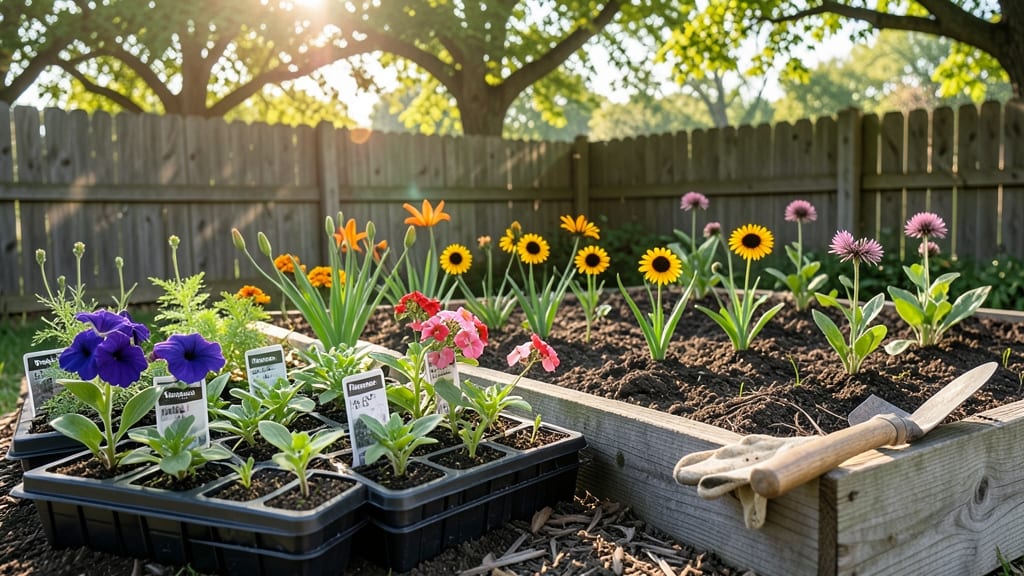
Planting flowers in Pennsylvania at the right time can transform your garden from a frost-killed disappointment into a vibrant, year-round showstopper. The key isn't just waiting for spring—it's understanding your hardiness zone and local microclimates, whether you're in Pittsburgh's cooler hills or Philadelphia's slightly milder urban pockets.
I've spent years watching gardens thrive (and sometimes fail) in Pennsylvania's USDA zones 5-7, and the difference often comes down to timing. Spring-bloomers like tulips need to hit the ground 4-6 weeks before the last frost, while heat-lovers like marigolds can wait until soil warms in May.
Let's break down exactly when to plant for zero-frost success in your specific corner of the state.
What if your neighbors swear by planting in April, but your garden still gets hit by late frosts? The answer lies in adjusting for Pennsylvania's unpredictable weather patterns—soil temperature, frost dates, and even elevation play huge roles.
I'll show you how to read the signs and make smart adjustments, whether you're dealing with annuals, perennials, or bulbs.
By the end, you'll know not just when to plant, but how to extend your growing season with simple tricks that work for Pennsylvania's climate. Ready to turn your garden into a year-round blooming masterpiece?
Pennsylvania hardiness zones: when to plant flowers by region (5a-7a)
Pennsylvania spans USDA hardiness zones 5a-7a, meaning your planting timeline depends heavily on where you live. In zone 5a (northwest PA), average last frost dates arrive around May 15th, while zone 7a (southeast PA) typically sees frost-free conditions by April 1st.
These differences create a 6-week window between regions for planting annuals and tender perennials.
For spring-blooming bulbs like tulips and daffodils, Pennsylvania gardeners should plant in October or November—before the ground freezes but after soil temperatures drop below 60°F.
This timing ensures roots establish before winter dormancy. In colder zone 5a, aim for early October planting, while zone 7a gardeners have until mid-November.
Annual flowers like marigolds and zinnias thrive when planted after your area's last frost date. For zone 6a (central PA), this usually means mid-to-late April, but always verify with your local Cooperative Extension Service.
Pro tip: Use a soil thermometer—wait until soil reaches 60°F at 4-inch depth before planting heat-loving annuals.
Perennials like coneflowers and black-eyed Susans are more forgiving. They can tolerate light frosts and should be planted in spring or early fall. Fall planting (September-October) gives roots time to establish before winter, while spring planting (April-May) ensures blooms by summer.
In zone 5a, prioritize fall planting to avoid spring's unpredictable late frosts.
| Zone | Avg. Last Frost | Spring Planting Window | Fall Planting Window | Key Flowers |
|---|---|---|---|---|
| 5a (NW PA) | May 15 | May 15 - June 1 | Oct 1 - Nov 15 | Tulips, Peonies, Marigolds |
| 6a (Central PA) | April 25 | April 25 - May 15 | Sep 15 - Oct 30 | Daffodils, Coneflowers, Zinnias |
| 7a (SE PA) | April 1 | March 25 - April 15 | Oct 15 - Nov 30 | Crocus, Lavender, Petunias |
Don't overlook fall planting for perennials—it's often more successful than spring planting in Pennsylvania's climate. Cool fall temperatures reduce transplant shock, and established roots handle winter better.
For zone 6a, aim to plant perennials by October 1st; in zone 7a, you can extend until November 15th. Even tender perennials like cannas benefit from fall starts in containers.
For container gardening, you have more flexibility. Start annuals indoors 6-8 weeks before your last frost date using grow lights. Seedlings like geraniums and snapdragons
Best flowers to plant in Pennsylvania by season (spring, summer, fall)
Pennsylvania’s climate lets you enjoy colorful blooms year-round if you plant the right flowers at the right time. Spring brings tender annuals like pansies, while summer thrives with heat-loving marigolds. Fall offers hardy mums and bulbs for next year’s showstopper. Let’s break down the best flowers for each season and their ideal planting windows.Spring is all about cool-season annuals and early perennials that tolerate light frosts. Plant pansies, sweet peas, and snapdragons in early April once soil warms to 50°F (10°C). These flowers handle Pennsylvania’s late frosts better than summer bloomers.
For perennials like coneflowers and black-eyed Susans, start seeds indoors in March or plant bare-root divisions in early spring for established plants by May.
Summer calls for heat-tolerant annuals and sun-loving perennials that thrive in Pennsylvania’s humidity. Marigolds, zinnias, and sunflowers are perfect for June planting, while lavender and Russian sage handle July’s heat with ease. Don’t forget to deadhead spent blooms to encourage continuous flowering through September.
Fall planting isn’t just for bulbs—it’s also prime time for cool-season vegetables and hardy perennials. Plant chrysanthemums, asters, and goldenrod in August for fall color, and tulip and daffodil bulbs in October for spring blooms. These flowers establish roots before winter, giving them a head start in spring.
For container gardening, opt for compact varieties like petunias, geraniums, and calibrachoa—these thrive in pots and can be moved to extend your season. If you’re in Zone 6a or colder, prioritize hardy perennials like hostas, daylilies, and peonies that bounce back after winter.
In Zone 7a, you can push the envelope with tender perennials like salvias and agastache.
Pro tip: Succession plant summer annuals like cosmos and nasturtiums every 3-4 weeks for nonstop blooms from June to frost. This keeps your garden looking full and vibrant all season long.
🌷