
Flowers
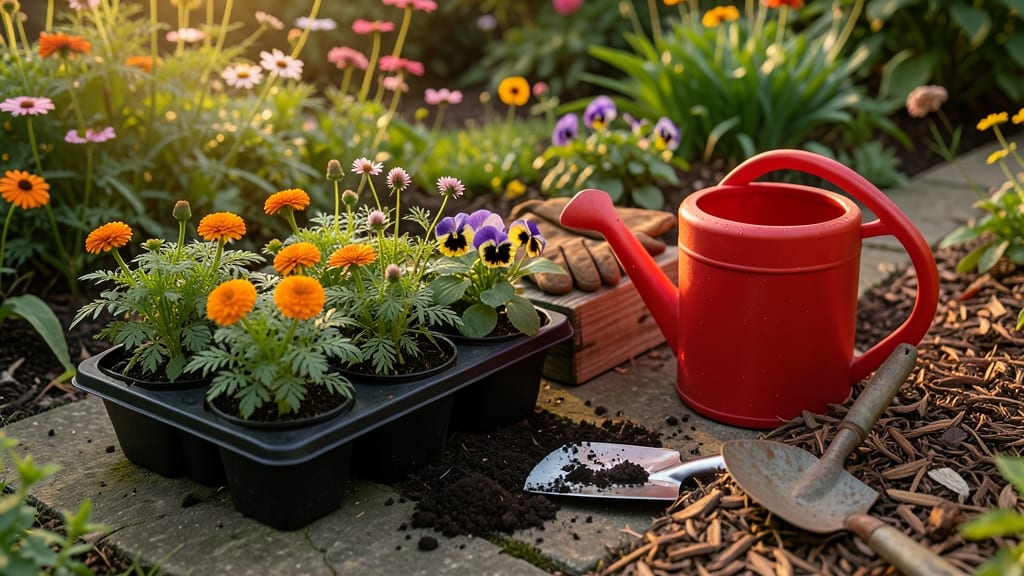
Planting fall flowers in Georgia can transform your garden into a vibrant autumn escape—but get the timing wrong, and frost will steal your show.
The key is starting 6-8 weeks before your region’s first frost, typically between mid-August and early October, depending on whether you’re in Atlanta, Savannah, or Macon.
Why does this matter? Fall-blooming varieties like chrysanthemums, pansies, and asters thrive in cooler temperatures, but they need time to establish roots before winter sets in. I’ve learned the hard way that planting too late means struggling with weak growth or worse—frost damage before they even bloom.
In this guide, I’ll break down the exact planting windows for Georgia’s hardiness zones, plus the best flower varieties for your area. You’ll discover how to prepare your soil, water like a pro, and even extend your blooms into winter with simple tricks.
Ready to skip the guesswork? Let’s dive into the perfect schedule to ensure your fall garden stays stunning until the first freeze—and beyond.
Georgia fall flower planting calendar: exact dates by hardiness Zone and variety
Georgia’s USDA hardiness zones 7-8 create a unique opportunity for fall gardening, but the first frost dates vary dramatically from Atlanta to Savannah. In Zone 7b (Atlanta), expect your first frost around mid-November, while Zone 8a (Savannah) often holds off until late December.
This means your planting window shifts from mid-August to early October, depending on your location.
To maximize blooms, aim to plant 6-8 weeks before your average first frost. This gives roots time to establish while still allowing flowers to thrive in cooler temperatures.
For example, chrysanthemums in Zone 7 should go in by September 1st, while pansies can wait until mid-October in Zone 8.
Here’s a breakdown of the best planting times for your region, along with frost-tolerant varieties that will shine in Georgia’s autumn gardens.
| Region & Zone | Planting Window | Best Varieties | First Frost Date | Key Tip |
|---|---|---|---|---|
| Atlanta (Zone 7b) | Mid-August - Early September | Chrysanthemums, Asters, Sweet Alyssum | Mid-November | Mulch heavily after planting |
| Macon (Zone 7a) | Late August - Late September | Pansies, Snapdragons, Ornamental Kale | Late October | Choose cold-hardy pansy varieties |
| Savannah (Zone 8a) | Early September - Mid-October | Calendula, Stock, Sweet William | Late December | Extend season with row covers |
| All Zones | Late September - Early October | Foxgloves, Dianthus, Sweet Peas | Varies | Avoid planting after mid-October |
The earliest planters (like chrysanthemums) should go in by August 15th in Zone 7 to ensure they bloom before frost. Meanwhile, late-season varieties like pansies can wait until October 1st in Zone 8.
The key is matching your flower’s maturity time to your frost date—most cool-season annuals take 45-60 days to bloom.
Pro tip: Check your local Cooperative Extension Service for your exact frost date, as urban areas like Atlanta can experience 2-3°F colder temperatures than rural zones. I always verify with the University of Georgia’s frost maps to avoid surprises.
For perennials like asters, you can plant as late as early October—they’re more cold-hardy and will often rebloom next spring. But annuals like snapdragons need that 6-week head start to establish before winter sets in.
One mistake I’ve made? Planting tender varieties like marigolds too late—they’ll bolt or struggle in cooler temps. Stick to the cool-season champions listed above for reliable fall color.
Ready to pick your perfect palette? Next, we’ll dive into the top
Top 5 fall flowers for Georgia gardens and how to extend their blooming season
When selecting fall flowers for Georgia’s climate, I always prioritize varieties that thrive in cooler temperatures but can handle occasional light frosts. The top 5 performers in my garden—chrysanthemums, pansies, asters, ornamental kale, and sweet alyssum—deliver color from September through December with the right care.
These flowers aren’t just frost-tolerant; they actively improve with cooler weather. For example, pansies and sweet alyssum often bloom more vigorously when nights dip below 60°F. The secret? Planting them early enough to establish roots before temperatures drop below 30°F consistently.
Here’s how I extend their blooming season: I mulch heavily with 2-3 inches of straw or shredded leaves to insulate roots, and I water deeply but less frequently once temperatures stabilize below 50°F. This prevents soil heaving and keeps moisture consistent.
🌱 Top 5 Fall Flowers for Georgia
-
Chrysanthemums (Mums)
🌻
Plant: Mid-August to early October
Frost Tolerance: Up to 25°F
Pro Tip: Deadhead spent blooms weekly -
Pansies
🌷
Plant: Late August to September
Frost Tolerance: Up to 20°F
Pro Tip: Choose 'Matrix' series for heat tolerance -
Asters
🌼
Plant: Early September to October
Frost Tolerance: Up to 28°F
Pro Tip: Plant in full sun for best blooms -
Ornamental Kale
🌿
Plant: Late August to September
Frost Tolerance: Up to 15°F
Pro Tip: Harvest leaves for winter arrangements -
Sweet Alyssum
🌸
Plant: Mid-August to October
Frost Tolerance: Up to 20°F
Pro Tip: Attracts pollinators all season
For maximum impact, I interplant tall varieties like chrysanthemums with shorter ones such as sweet alyssum. This creates layered visual interest while making efficient use of space. In my Atlanta garden (Zone 7b), I’ve seen pansies bloom continuously from October through March with this approach.
One final trick? Use reflective mulch around early bloomers like asters. The white plastic film reflects light back to the plants, extending their photosynthetic activity during shorter winter days. It’s a simple hack that adds 2-3 extra weeks of vibrant color before the first hard freeze.
Remember: The key to extending blooms isn’t just about the flowers themselves—it’s about preparing your soil and protecting them strategically. With these varieties and techniques, your Georgia garden can stay bursting with color long after most gardens have gone dormant.