
Companion Plants
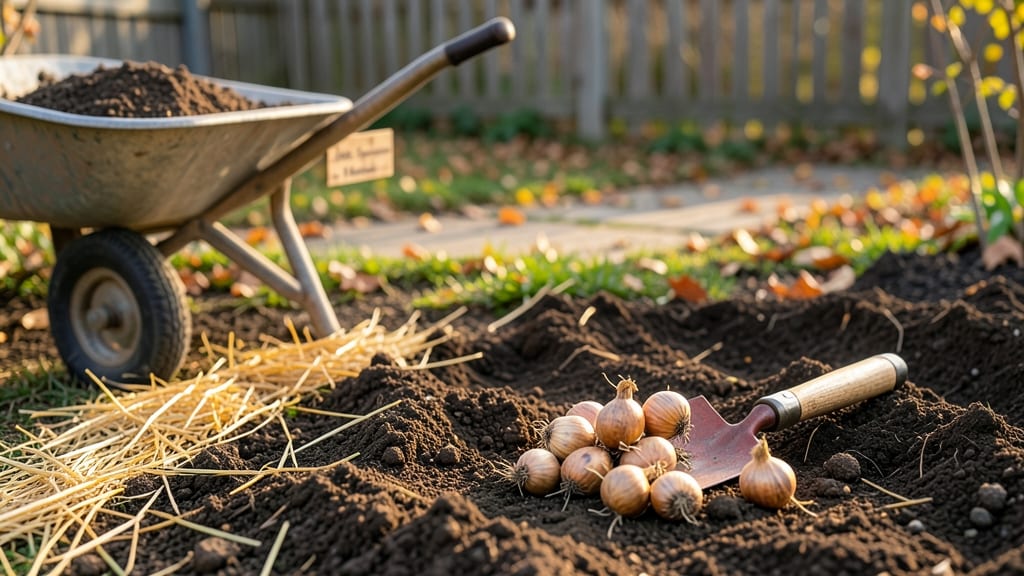
Planting tulip bulbs 🌷 in Ohio at the wrong time means skipping next spring’s vibrant blooms entirely—because those 6 weeks before the first frost are your golden window, and missing it means waiting another year.
The key isn’t just guessing when to dig; it’s understanding how Ohio’s USDA Zone 6a climate demands precise timing to let bulbs root before winter sets in.
Most gardeners assume fall is the only option, but even then, planting too early or late can leave your tulips struggling. I’ve seen firsthand how a two-week difference can mean the difference between lush spring flowers and bulbs that never make it past the first freeze.
The secret lies in aligning your planting with Ohio’s October–November window, when soil temps drop but haven’t yet locked up for winter.
Here’s what you’ll discover: how to check your local frost dates (yes, they vary even within Ohio), which tulip varieties thrive in our short growing season, and the 3-step prep that ensures your bulbs survive—and flourish—through our harsh winters. Let’s get those blooms scheduled for next spring.
Whether you’re a first-time gardener or a veteran with a few failed attempts under your belt, this guide cuts through the guesswork. You’ll learn exactly when to plant, how deep to bury those bulbs, and the one critical mistake that kills more tulips in Ohio than anything else.
Ready to turn your yard into a springtime showstopper?
Ohio’s frost-date schedule for planting tulip bulbs: the exact window
Ohio’s USDA Zones 5-6 create a unique challenge for tulip bulb planting—timing must align with first hard frost dates, which typically arrive between mid-October and early November. The ideal window is 4-6 weeks before the ground freezes, giving bulbs time to establish roots before winter dormancy.
For most of Ohio, this means planting between late September and mid-November, but northern regions (like Zone 5) should plant earlier than southern Zone 6 areas.
To pinpoint your exact window, check your local average first frost date using resources like the Old Farmer’s Almanac or National Weather Service. For example, Columbus usually sees its first frost around October 20, while Toledo may wait until October 25.
Planting 6 weeks before these dates ensures bulbs root deeply enough to survive Ohio’s freeze-thaw cycles.
Early bloomers like ‘Early Harbinger’ need extra care in Ohio’s climate—they often emerge during late winter snow melt, so plant them 2 weeks earlier than late varieties like ‘Darwin Hybrid’.
Late bloomers can tolerate slightly later planting, but don’t wait past November 15, or bulbs may not establish roots before winter.
Ohio’s unpredictable weather patterns can disrupt planting schedules. If unseasonably warm fall weather delays frost, monitor soil temperatures—bulbs should go into 60°F (15°C) soil for optimal root growth. Use a soil thermometer to track progress, especially in urban gardens where heat islands can create microclimates.
For container gardening in Ohio, adjust timing slightly—potted bulbs need 1-2 weeks earlier planting than in-ground bulbs because containers freeze faster. Place pots in protected locations (like against a south-facing wall) to extend the growing season.
🌱 Ohio Tulip Planting Timeline by Region
| Region | USDA Zone | Ideal Planting Window | First Frost Date |
|---|---|---|---|
| Northern Ohio (Cleveland, Akron) | Zone 5b | Late September - October 15 | October 10-20 |
| Central Ohio (Columbus, Dayton) | Zone 6a | October 1 - November 1 | October 15-25 |
| Southern Ohio (Cincinnati, Lexington) | Zone 6b | October 15 - November 10 | October 20-November 5 |
If you miss the fall window, spring planting is possible in Ohio—but results are unreliable. Bulbs planted in March or April may produce flowers, but they’ll need consistent moisture and protection from late frosts.
For best results, prioritize fall planting and store bulbs in a cool, dry place (like a garage) until you’re ready.
Ohio’s soil conditions also play a role—clay-heavy soils in areas like northeastern Ohio can cause bulbs to rot if drainage is poor. Amend soil with compost or sand to improve aeration before planting. In sandy soils (common in southwestern Ohio), add organic matter to retain moisture.
Pro tip: Mark your tulip planting dates on a garden calendar and set reminders for post-bloom care, like allowing foliage to die back naturally. This ensures bulbs store energy for next year’s vibrant spring blooms—a must for Ohio’s short growing season!
For gardeners in microclimates (like valleys or urban heat islands1-2 weeks based on local conditions. Always prioritize soil temperature over calendar dates—your tulips will thank you with healthier roots and bigger blooms next spring.
Ohio’s frost-date schedule for planting tulip bulbs: the exact window
Ohio’s USDA Zones 5-6 mean tulip bulbs need to be in the ground 6 weeks before the first hard frost, typically between mid-October and early November.
For northern Ohio (e.g., Cleveland, Toledo), aim for October 15-30, while southern Ohio (e.g., Columbus, Cincinnati) can wait until late October to November 15. This window ensures bulbs establish roots before winter freezes.
Use the National Weather Service’s frost prediction tool or local Cooperative Extension Service for your exact frost date. For example, if your first frost is November 1, plant bulbs by September 25.
Late bloomers (like Darwin Hybrids) can handle slightly later planting, but early varieties (like ‘Early Harbinger’) need the full 6-week window.
Soil temperature is just as critical as frost dates. Tulip bulbs need soil temps between 50–60°F to root successfully. Use a soil thermometer to check—if temps drop below 45°F, wait or plant in containers to protect roots.
For early bloomers, prioritize the earlier window; for late bloomers, you can push the deadline by 1–2 weeks.
Pro tip: If you miss the fall window, spring planting is possible but risky. Plant in late winter (February–March) only if you’re willing to accept smaller blooms or shorter stems.
Bulbs planted in spring lack the root establishment time needed for robust growth, so fall planting is always preferred in Ohio’s climate.
Don’t forget to adjust for microclimates—low-lying areas frost earlier, while south-facing slopes may stay warmer. If your yard has frost pockets, plant bulbs in raised beds or use mulch to insulate the soil.
This extra layer can delay frost penetration by 1–2 weeks, giving bulbs more time to root.
For container gardening, plant bulbs in pots by mid-October and move them to a garage or basement once frost hits. Bring them back outdoors in late winter for spring blooms. This method works well for urban gardeners with limited space or unpredictable frost patterns.