
Flowers
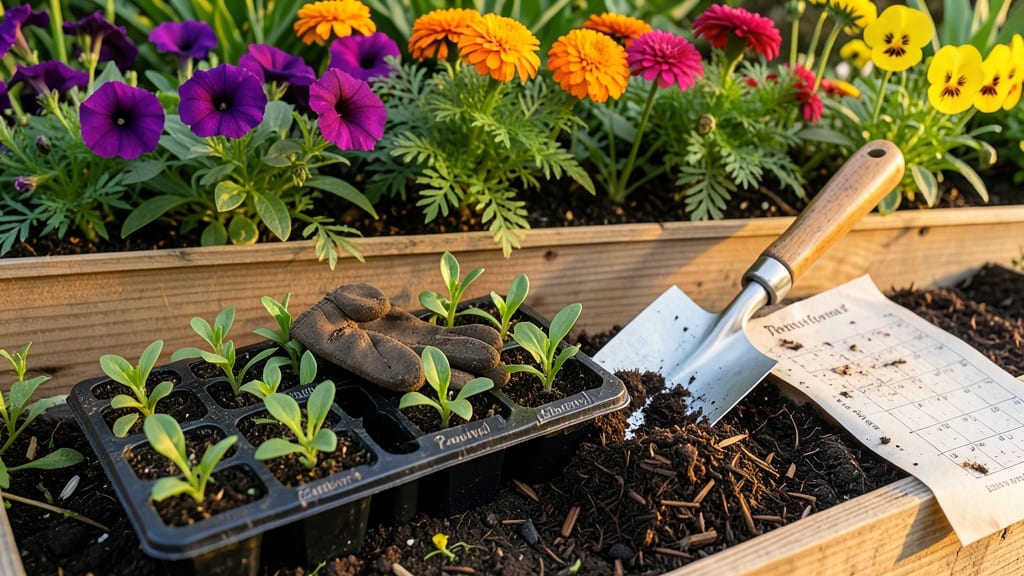
To plant flowers in NJ without risking frost or wilting heat, timing is everything—get it wrong, and your garden could end up a sad, brown mess instead of a vibrant 🌸 paradise.
New Jersey’s USDA Zones 6b-7a mean last frost dates vary wildly, from late March in coastal areas to early May inland, so knowing the right window keeps your blooms thriving.
Whether you’re dreaming of bold annuals like petunias or hardy perennials such as coneflowers, the key is planting when soil temperatures and daylight align with each flower’s needs.
I’ll break down the exact months to start seeds, transplant seedlings, and tuck in bulbs—so you can avoid the common mistakes that leave gardens looking half-hearted.
From early spring pansies to late-summer dahlias, we’ll cover how to stretch your blooming season by leveraging NJ’s microclimates, whether you’re in humid Jersey City or drier inland areas. You’ll learn which flowers play nice with your schedule and how to prep soil for success—no guesswork, just guaranteed color.
Ready to transform your yard into a year-round showstopper? Let’s dive into the perfect planting calendar for NJ flowers, so you can enjoy those first 🌸 moments without the stress.
NJ flower planting calendar by season: exact dates for annuals and perennials
New Jersey’s USDA Zones 6b-7a bring warm summers and chilly winters, so timing your flower plantings is critical. The last frost date typically falls between late March and early May, while the first frost arrives around mid-October.
These dates separate your cool-season and warm-season bloomers, ensuring vibrant displays year-round.
For cool-season flowers like pansies and snapdragons, start planting in early spring (March-April) or late summer (August-September) for fall blooms. Meanwhile, warm-season favorites such as marigolds and zinnias thrive when planted after the last frost (mid-May). Let’s break down the exact planting windows for each season.
🌱
Northern NJ (e.g., Bergen County) tends to have earlier frosts than southern regions (e.g., Cape May), so adjust your timeline by 1–2 weeks. For example, plant pansies in early March in Cape May but wait until mid-March in Newark. Always check local frost date forecasts for precision.
Perennials like daylilies and coneflowers can be planted in early spring or fall, giving you flexibility. However, annuals like marigolds must be sown after the last frost or started indoors 6–8 weeks beforehand. Use seed-starting trays under grow lights for head starts.
🌿
For container gardening, follow the same timing but use lightweight potting mix to prevent waterlogging. Containers warm up faster than garden beds, so warm-season flowers may thrive 2–3 weeks earlier in pots. Always ensure containers have drainage holes to avoid root rot during NJ’s humid summers.
If you miss the spring window, don’t worry—fall planting (August–September) is perfect for cool-season flowers and bulbs. This strategy ensures early spring blooms the following year. For example, tulip bulbs planted in late September will reward you with vibrant blooms by April.
Pro tip: Mark your calendar for NJ’s average last frost date (April 15) and first frost date (October 15) to plan your succession planting. This method keeps your garden blooming continuously from spring to fall.
☀️
Best flowers for NJ’s climate: fast-growing varieties that thrive in zones 6b-7a
New Jersey’s USDA Zones 6b-7a offer a perfect mix of four distinct seasons, making it ideal for growing hardy annuals and perennials. The key? Choosing heat-tolerant, drought-resistant varieties that won’t wilt under summer humidity or freeze in unpredictable springs.
From bold coneflowers to fragrant marigolds, these top picks will keep your garden blooming from spring to fall.
For early color, pansies and violas are my go-to choices—they tolerate light frost and thrive in cool spring soil (as low as 30°F). Plant them in late February to early April for a nonstop show until summer heat arrives.
These cool-season workhorses even perform well in partial shade, making them perfect for woodland gardens or container plantings.
🌸 Did You Know? Black-eyed Susans (Rudbeckia hirta) are NJ’s ultimate low-maintenance perennial. Once established, they self-seed freely and attract pollinators all summer long. Their golden-yellow blooms stand out against late-season foliage, and they thrive in poor soil—ideal for high-traffic garden edges.
Coneflowers (Echinacea)
Planting Month: April-May
Sun Needs: Full sun
Height: 2-4 ft
Why It Works: Drought-tolerant, long-blooming (June-October), and deer-resistant—perfect for NJ’s dry spells.
Daylilies (Hemerocallis)
Planting Month: April-May or September
Sun Needs: Partial to full sun
Height: 1-3 ft
Why It Works: Heat-loving and low-water, these perennials rebloom all season with minimal care.
Marigolds (Tagetes)
Planting Month: May-June (after last frost)
Sun Needs: Full sun
Height: 1-2 ft
Why It Works: Pest-repellent (keeps aphids away), fast-growing, and edible petals for salads!
Petunias (Petunia spp.)
Planting Month: May (after frost)
Sun Needs: Full sun to partial shade
Height: 6 in–2 ft
Why It Works: Nonstop blooms from summer to frost; choose heat-tolerant varieties like 'Wave' for NJ’s humidity.
Dahlias (Dahlia spp.)
Planting Month: May-June (after frost)
Sun Needs: Full sun
Height: 2-6 ft
Why It Works: Stunning cut flowers with bold colors; plant tubers in well-draining soil to prevent rot.
If you’re dealing with coastal NJ’s salty air or inland humidity, opt for native wildflowers like bee balm (Monarda) or butterfly weed (Asclepias tuberosa). These adaptable plants support local ecosystems while requiring zero extra care.
For container gardens, geraniums and snapdragons are my top picks—they thrive in pots and rebloom all season.
Pro tip: Always amend soil with compost before planting to improve drainage and nutrient retention. In heavy clay soils (common in NJ’s northern regions), mix in sand or perlite to prevent root rot.
Mulch with 2–3 inches of straw to retain moisture and suppress weeds—especially critical during NJ’s hot, dry summers.
For fall color, don’t overlook asters and chrysanthemums. These cool-season bloomers light up gardens from September to frost and thrive in NJ’s crisp autumn air. Plant them in August for instant impact—just be sure to water deeply as they establish roots before winter sets in.