
Flowers
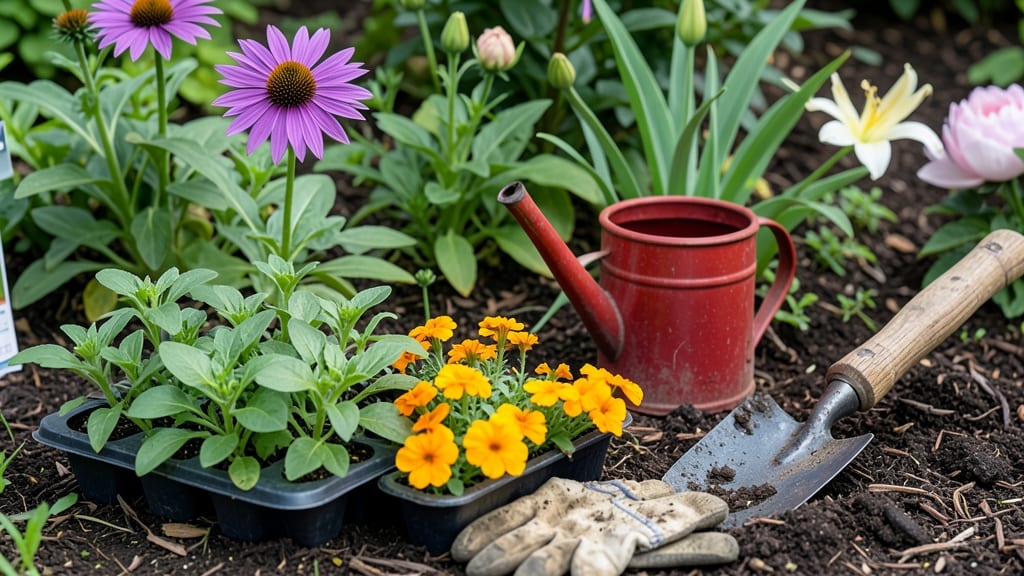
Planting your 🌸 flowers at the wrong time in New Hampshire can mean waiting months for those vibrant blooms—or worse, watching them wilt before they even open.
The key to a thriving garden lies in knowing exactly when to plant, because NH’s 5a-6b zones bring frost dates that shift yearly and can turn a beautiful garden into a sad, half-blooming disappointment.
Most gardeners in NH focus on late spring, but the real secret to year-round color is understanding two critical planting windows: the first after the last frost (usually late April to early June) and the second in late summer (August to September).
These timing tricks help you beat frost and extend your blooms well into fall, even when temperatures drop.
I’ve spent years testing what works in NH’s unpredictable climate, and what I’m about to share will help you avoid common mistakes—like planting too early or missing the fall window.
Whether you’re a first-time gardener or a seasoned pro, these zone-specific tips will ensure your flowers thrive from spring to frost.
Let’s dive into the exact months to plant for maximum blooms, plus 4 proven tricks to stretch your growing season and keep your garden looking its best all year long. Your dream garden starts with the right timing!
New Hampshire frost dates by Zone: exact months to plant flowers for maximum blooms
New Hampshire’s USDA Zones 5a-6b create a unique challenge for gardeners—frost can strike anytime between late April and early June, ruining tender seedlings overnight. But with the right timing, you can beat the frost and enjoy continuous blooms from spring to fall.
The key? Knowing your last frost date and using the 10-day rule for safe planting.
Most of NH falls into Zone 5a (coastal areas like Portsmouth) or Zone 6a (inland areas like Concord). Coastal zones freeze 2-3 weeks later than inland areas, so your planting window shifts accordingly.
For example, Portsmouth’s last frost might be May 15, while Concord’s could hit May 1. Always check local frost records—not just averages—to avoid surprises.
Here’s the golden rule: Wait until 10 days after your average last frost date to plant tender annuals like petunias or marigolds. This buffer accounts for late frost surprises and gives seedlings time to establish roots before summer heat arrives.
For cold-hardy perennials (like coneflowers or black-eyed Susans), you can plant as early as April once the ground thaws.
Fall planting is just as critical—August to early September is your second chance to get flowers blooming next year. Many perennials (like daylilies or asters) benefit from fall root establishment, giving them a head start in spring.
Just avoid planting after mid-September, when frost can damage new roots before winter.
Pro Tip: Use frost-sensitive flowers (like geraniums or impatiens) as season extenders. Plant them after Memorial Day (around May 30) when the risk of frost is minimal. For heat-loving varieties (like sunflowers or zinnias), wait until June 1 to avoid bolting (premature flowering) in NH’s cool springs.
Regional Variations Matter:
- Coastal NH (Zones 5a-5b): Last frost May 10–20. Plant annuals after May 30.
- Inland NH (Zones 6a-6b): Last frost April 25–May 10. Plant annuals after May 15.
- Northern NH (Zones 4b-5a): Last frost May 20–June 1. Stick to cold-hardy flowers or use row covers.
To stay on track, bookmark the NH Agricultural Experiment Station’s frost data or use local nursery recommendations. Many NH garden centers (like Hoffman Nursery in Peterborough) offer free frost date alerts via email.
Pair this with a garden journal to track your actual frost dates year after year—because NH’s climate is unpredictable, and your notes could save next year’s garden!
| USDA Zone | Average Last Frost Date | First Planting Window | Second Planting Window | Best Flowers for Zone |
|---|---|---|---|---|
| 5a (Coastal: Portsmouth, Dover) | May 10–20 | After May 30 | August 15–September 10 | Petunias, Impatiens, Snapdragons, Pansies |
| 5b (Southern Inland: Nashua, Manchester) | April 25–May 10 | After May 15 | August 1–September 5 | Marigolds, Zinnias, Cosmos, Black-Eyed Susans |
| 6a (Northern Inland: Concord, Laconia) | April 15–April 30 | After May 1 | July 25–August 15 | Sunflowers, Dahlias, Coneflowers, Daylilies |
| 6b (Northern NH: White Mountains) | May 1–May 15 | After May 25 | August 10–September 1 | Rudbeckias, Coreopsis, Lavender, Russian Sage |
| Cold-Hardy Perennials (All Zones) | April 1–April 15 | Early April (bare root) | September 1–15 | Peonies, Hostas, Bleeding Hearts, Asters |