
Companion Plants
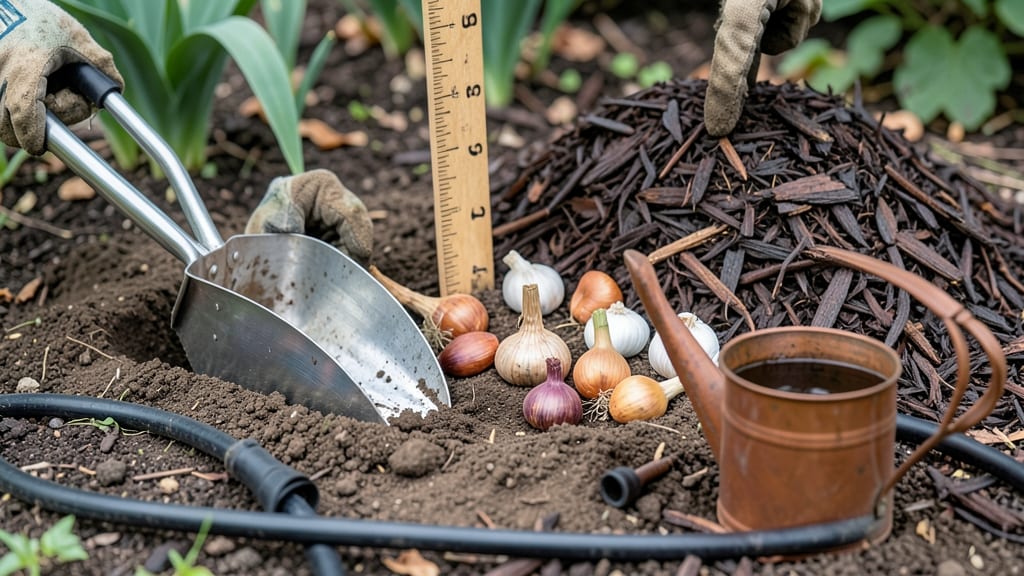
Planting your 🌸 flower bulbs at the perfect fall moment can make all the difference between a weak spring display and a dazzling, show-stopping garden.
The secret lies in understanding how many chill hours your bulbs need to bloom reliably—too early, and they might sprout too soon; too late, and they’ll miss their window entirely.
In USDA Zone 6a, where I garden, the ideal window is 6-8 weeks before your first frost—typically September through early November. But here’s the catch: different bulbs have different needs.
Tulips, for example, thrive with 12-16 weeks of cold, while daffodils need just 8-12 weeks. Getting this right ensures your garden wakes up with bold color instead of disappointment.
I’ll walk you through exactly how to time your planting based on your local climate, soil temperature, and bulb type. You’ll learn the most foolproof methods to avoid common mistakes—like planting too deep or too shallow—and how to adjust for early frosts or wet soils.
Let’s turn your fall prep into next year’s spring highlight.
By the end, you’ll know not just when to plant, but how to set your bulbs up for success. Whether you’re a seasoned gardener or a beginner, these tips will help you grow a garden that feels like a vibrant masterpiece waiting to happen.
Fall planting timelines by flower bulb type and chill-hour requirements
Understanding the chill-hour needs of your flower bulbs is the first step to planting them at the perfect time. Each variety has a specific range of cold exposure it requires to trigger spring blooming.
For example, tulips need 12-16 weeks of temperatures below 40°F (4°C), while daffodils thrive with just 8-12 weeks. Planting too early can cause premature sprouting, while waiting too late risks bulbs not getting enough cold.
In USDA Zone 6a, where I garden, most bulbs should be planted 6-8 weeks before the first frost. This typically lands between mid-September and early November, depending on your local climate.
For instance, in my area, the first frost usually hits around November 15, so I aim to finish planting by late October. Adjust this timeline based on your frost dates—check your local National Weather Service or plant hardiness zone map for accuracy.
Here’s how to align your planting with your bulbs’ chill-hour needs to ensure vibrant spring blooms:
| Bulb Type | Chill-Hour Needs | Ideal Planting Window (Zone 6a) | Notes |
|---|---|---|---|
| Tulips | 12-16 weeks below 40°F | Mid-September to early October | Plant early for full chill; avoid soggy soil. |
| Daffodils | 8-12 weeks below 40°F | Late September to mid-November | More flexible; tolerates later planting. |
| Crocuses | 6-8 weeks below 40°F | October to early November | Early bloomers; plant closer to frost. |
| Hyacinths | 10-14 weeks below 40°F | Late August to early October | Needs early start; avoid wet conditions. |
| Alliums | 8-12 weeks below 40°F | September to early November | Drought-tolerant; plant in well-draining soil. |
If you’re in a warmer microclimate—like a city with heat islands or a sheltered garden—you may need to plant earlier to ensure bulbs get enough chill. Conversely, in cooler zones, you can plant closer to frost.
For example, in Zone 5, I’ve seen gardeners plant as late as early December for daffodils, while in Zone 7, some bulbs like crocuses might need planting by late August.
Pro tip: Use a soil thermometer to check when soil temperatures drop to 50-60°F (10-15°C). This is the sweet spot for planting most bulbs, as it signals the ground is cool enough to prevent early sprouting but not yet frozen.
I keep one handy in my gardening toolkit—it’s a game-changer for timing!
Another key factor is your bulb variety. Dutch master tulips, for instance, require more chill hours than species tulips, which are often more cold-hardy.
If you’re unsure, check the packaging or seed catalog for specific chill-hour recommendations. I always cross-reference this with my local frost dates to avoid mistakes.
Regional adjustments are critical. In northern climates, like Zone 4, you might plant as early as August to ensure bulbs get enough cold. In southern zones (Zone 7+), focus on late fall planting or even winter planting in areas with mild winters.
For example, in Zone 8, I’ve planted crocuses in December with great success.
Don’t forget to account for early frosts. If your area is prone to unexpected cold snaps, err on the side of planting earlier rather than later.
I’ve learned this the hard way—once, I waited too long, and a sudden frost in late October left my tulip bulbs exposed and damaged. Now, I mark my calendar with two planting deadlines: one for chill-sensitive bulbs and another for hardier varieties.
Finally, mulching after planting can help regulate soil temperature and protect bulbs from extreme cold. I use straw or shredded leaves to insulate the soil without smothering the bulbs. This extra layer gives me peace of mind, especially when unpredictable weather rolls in.
How to adjust planting time for your climate Zone and soil conditions
Your local climate zone and soil conditions can shift the ideal planting window by weeks—sometimes even months. In USDA Zone 6a, where I garden, I aim to plant most bulbs between mid-September and early November, but I adjust based on soil temperature and frost predictions.
For example, tulips need 6-8 weeks of cold before blooming, while daffodils thrive with just 4-6 weeks.
To find your perfect window, check your average first frost date (use the USDA Plant Hardiness Zone Map) and count backward. For tulips and hyacinths, plant 6-8 weeks before frost; for daffodils and crocuses, 4-6 weeks works.
In warmer zones (like Zone 7+), you might plant as late as December, but avoid planting when soil temps drop below 40°F—bulbs won’t root properly.
Soil temperature is your best friend here. Use a soil thermometer ($10 at garden centers) to check depth: bulbs need soil between 40-50°F (4-10°C) to root. If your soil is still warm (above 60°F), bulbs may sprout too early and get fried by frost. In my experience, early October is the sweet spot for most bulbs in Zone 6a, but I’ve had to delay planting in hot, dry Septembers.
Moisture matters too. Wet, heavy soils can suffocate bulbs, while dry soils prevent root growth. Amend clay soil with compost or sand to improve drainage, and in sandy soils, add peat moss or coconut coir to retain moisture. I always test my soil’s drainage by digging a hole, filling it with water, and timing how long it takes to drain—if it’s slower than 4 hours, I’ll add amendments before planting.
Urban microclimates (like heat islands near pavement or cold pockets in shaded areas) can throw off your timing. If your garden sits in a warmer microclimate, plant bulbs 2-3 weeks later than the general guideline. Conversely, if your soil stays cold longer (like in a shady spot), plant 2-3 weeks earlier. I once planted tulips in a sunny city bed and had them sprout in December—they survived but bloomed late and looked ragged.
Here’s my pro tip for troubleshooting: If you’re unsure about frost dates, use local weather apps (like Old Farmer’s Almanac) or ask your local extension office.
They’ll give you hyper-local advice. And if you’re planting in containers, move pots to a sheltered spot before winter to protect them from freezing.
Remember, the goal is to give bulbs time to root before the ground freezes. With the right adjustments, you’ll have bold, healthy blooms next spring—no guesswork needed. 🌱
⚠️ Common Mistakes That Kill Bulbs
- Planting too early: Bulbs sprout in warm soil, then die in frost. Wait until soil cools to 60°F or below.
- Ignoring soil temp: Bulbs need 40-50°F soil to root. Check with a thermometer!
- Skipping drainage: Wet soil = rot. Amend clay soil with compost or sand.
- Planting too shallow: Most bulbs need 2-3x their height in soil. Tulips? 6-8 inches deep.
- Overlooking microclimates: City heat or shade can shift your planting window by 2+ weeks.
"I’ve lost bulbs to frost heave and soggy soil—don’t let this be you!"
Now that you’ve got the timing down, let’s talk about the best bulbs for reliable blooms. Some varieties are far more forgiving than others, especially for beginners. For example, daffodils and crocuses are deer-resistant and bloom even in partial shade, while tulips need full sun and may need staking.
I’ll share my top 5 foolproof picks in the next section—stay tuned!
For now, grab your soil thermometer, check your frost dates, and mark your calendar. Your spring garden is just a few weeks of fall prep away. 🌸