
Plants
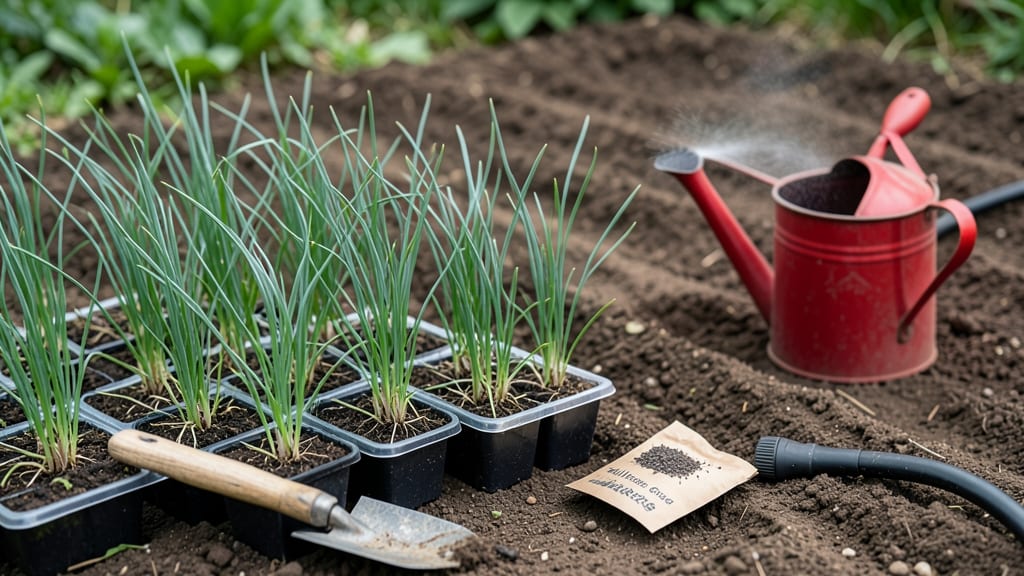
Planting fescue grass at the right time in spring can transform your lawn from a patchy mess into a thick, vibrant carpet—but most people miss the perfect window by weeks.
The secret isn’t just waiting for warmer weather; it’s all about soil temperature, and getting it wrong means wasted seeds or slow growth.
If you’ve ever stared at your calendar in April wondering, “Is it too late to plant fescue?”, you’re not alone. The ideal timing varies by region, but one rule stands out: soil should hit 45°F to 65°F for seeds to germinate properly.
Too early, and your investment could rot in cold ground. Too late, and summer heat stresses young roots.
For most gardeners in USDA Zone 6a (like me!), early to mid-spring is the sweet spot—typically between late March and early April.
But whether you’re in the chilly North or milder South, I’ll show you how to check soil temps and adjust your planting schedule for stronger roots and faster results.
Skip the guesswork: I’ll break down exactly when to plant, what to watch for, and how to prep your soil for success—so you can enjoy that lush, low-maintenance lawn all season long.
Best soil temperature ranges for planting fescue grass in spring
Fescue grass thrives when planted at the right soil temperature, typically between 45°F and 65°F. This range ensures optimal seed germination and root establishment. Planting too early or late can lead to poor growth or even seed rot. Understanding these temperature thresholds is key to a healthy lawn.
Most gardeners focus on last frost dates, but soil warmth is equally critical. Fescue seeds germinate best when the soil consistently stays within this ideal range.
Cold soil slows germination, while overly warm soil can dry out seeds before they sprout. Testing your soil temperature is the best way to avoid these pitfalls.
To check your soil temperature, use a soil thermometer inserted 2-3 inches deep. Early spring mornings are ideal for testing, as temperatures are stable. Aim for 50°F or warmer before planting. If your soil is too cold, wait a few weeks—patience now prevents weak grass later.
🌱 Fescue Soil Temperature Guide
| Temperature Range (°F) | Germination Speed | Best Planting Time | Risk if Too Early |
|---|---|---|---|
| 40–45°F | Very Slow | Avoid planting | Seed rot, weak roots |
| 45–55°F | Moderate | Early spring (with caution) | Slow growth, patchy lawn |
| 55–65°F | Fast | Ideal planting window | None (optimal conditions) |
| 65–75°F | Very Fast | Late spring (if needed) | Drought stress, weak establishment |
*Test soil 2-3 inches deep in morning for accurate readings.
Regional differences matter—northern climates (like USDA Zone 3–5) may need to wait until late April or early May, while southern zones (like Zone 7–9) can plant as early as February. Always align your planting with local microclimates, such as shaded areas cooling faster than sunny spots.
If your soil is too cold, consider covering seeds lightly with straw to retain warmth. This trick works well in early spring when temperatures fluctuate. Just ensure the mulch doesn’t smother the seeds—aim for a thin layer (¼ inch) to protect without suffocating.
Another pro tip: Water deeply before planting to warm the soil faster. Moist soil absorbs heat more efficiently, creating the perfect environment for fescue seeds. Think of it like giving your lawn a warm bath—just what it needs to wake up from winter dormancy.
For cool-season grasses like fescue, timing is everything. Plant too early, and you risk frost damage; too late, and summer heat stresses young seedlings. The 45°F–65°F window is your golden ticket to a thick, resilient lawn. Mark your calendar and check that soil thermometer—your future lawn will thank you!
Remember, soil temperature trumps air temperature every time. A sunny 70°F day with cold soil won’t help—focus on the ground, not the sky. Happy planting! 🌱
Best soil temperature ranges for planting fescue grass in spring
Fescue grass thrives when planted in soil temperatures between 45°F and 65°F—this range ensures rapid germination and strong root development. Cooler soil temps slow growth, while warmer soil can cause seeds to dry out before sprouting. Most gardeners miss this detail and plant too early, leading to weak lawns.
To test your soil temperature, use a soil thermometer buried 2 inches deep. Check temps in the morning for the most accurate reading. If your soil is below 45°F, wait a few weeks—patience here prevents seed rot and wasted effort.
In northern climates (Zones 3–5), aim for mid-April planting when soil warms to 50°F. Southern regions (Zones 6–9) can start as early as February, but avoid planting if temps fluctuate above 70°F—this stresses young seedlings.
| Temperature Range | Germination Speed | Risk Level |
|---|---|---|
| Below 45°F | Very Slow | High (seed rot) |
| 45°F–55°F | Moderate (2–3 weeks) | Low |
| 55°F–65°F | Fast (1–2 weeks) | None |
| Above 65°F | Slow (dries out) | High (stress) |
If your soil is too cold, cover bare spots with straw mulch to insulate and retain warmth. This trick helps jumpstart germination without artificial heat. For faster results, consider warm-season fescue blends, which tolerate slightly higher temps (up to 70°F).
Pro tip: Plant on a cloudy day to reduce seed stress from direct sunlight. Water lightly afterward to keep soil moist but not soggy—consistent moisture is key for the first 2 weeks after planting.
Remember, soil temperature beats calendar dates. Even if your neighbor plants in March, their soil might be too cold—always check with a thermometer. This small step ensures your fescue establishes deep roots before summer heat arrives.