
Plants
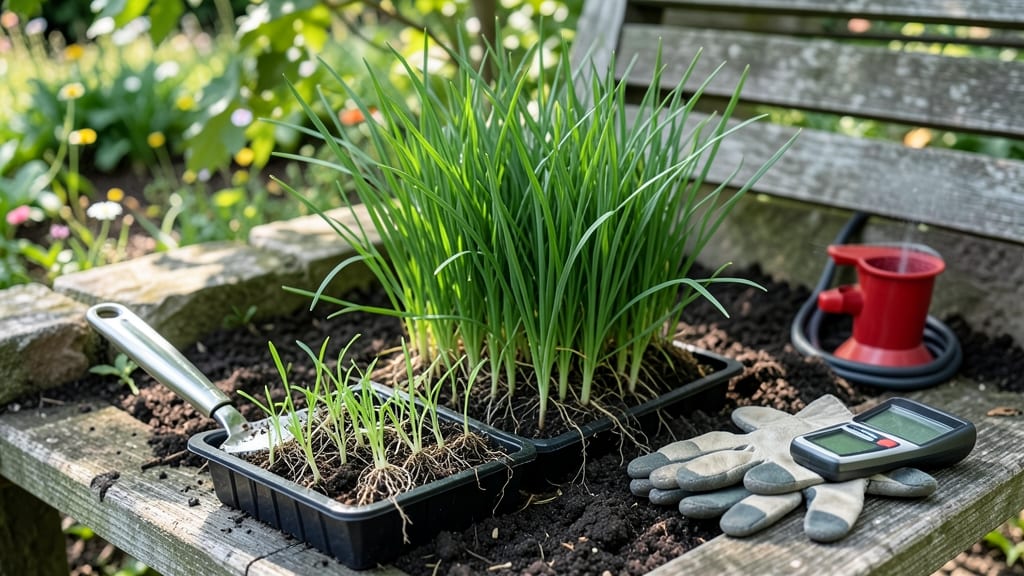
Planting fescue in North Texas at the wrong time can turn your lush lawn dreams into a summer-baked disappointment. The key to a thick, drought-resistant yard lies in timing—specifically, those 6-8 week windows when temperatures cooperate and roots stand a chance.
Most gardeners assume spring is the only option, but fall planting (early September to mid-October) gives fescue a head start before winter dormancy. In USDA Zone 8a, cooler soil temperatures and consistent rainfall create perfect conditions for seed germination and root establishment.
Skipping this window means battling heat stress or racing against the first frost.
I’ve seen firsthand how a well-timed planting transforms bare patches into vibrant green lawns by spring. Whether you’re dealing with tall fescue’s drought tolerance or fine fescue’s shade adaptability, the right timing is half the battle. Let’s break down exactly when—and how—to plant for maximum success.
From soil prep to post-planting care, I’ll share the exact steps North Texas gardeners need to avoid common pitfalls. No more guessing—just science-backed strategies to keep your lawn thriving year-round.
Optimal fall planting windows for fescue in North Texas (with exact dates)
North Texas gardeners know that fall is the golden window for planting fescue grass—but timing matters more than you think. Planting too early exposes young seedlings to scorching summer heat, while waiting too late risks frost damage before roots establish.
The sweet spot? Early September to mid-October, when soil temps hover between 50°F and 70°F—perfect for germination and root growth.
This 6-8 week window aligns with USDA Zone 8a conditions, where first frost typically arrives November 15. Planting 4-6 weeks before frost gives fescue enough time to develop deep roots before winter dormancy. Miss this window, and you’ll struggle with thin, patchy lawns next spring.
But here’s the catch: North Texas isn’t one climate. Dallas, Fort Worth, and Waco each have microclimate quirks that shift planting dates by 1-2 weeks.
For example, Waco’s hotter summers may push your ideal window to late August to early October, while Fort Worth’s cooler nights could extend it to mid-October. Always check your local frost dates using the USDA Plant Hardiness Zone Map.
| Planting Window | Soil Temp (°F) | Key Goal | City-Specific Adjustments |
|---|---|---|---|
| Early September | 65-70°F | Seed germination | Waco: Start late August |
| Mid-September | 60-65°F | Root establishment | Dallas: Peak window |
| Early October | 50-55°F | Winter prep | Fort Worth: Extend to mid-October |
| Late October | Below 50°F | Risk of frost | Avoid—roots won’t establish |
🌱 Pro Tip: Use a soil thermometer to confirm temps before planting.
Why fall planting? Fescue thrives in cooler weather, and autumn’s moderate temps reduce stress on seedlings. Plus, deep watering schedules are easier to maintain before winter droughts set in. Skip fall, and you’ll face summer heat stress when planting in spring—leading to slow germination and brown patches.
For tall fescue varieties (like Kentucky 31), aim for early September to give them time to outcompete weeds. Fine fescue (like Creeping Red) can handle slightly later plantings into mid-October thanks to its drought tolerance. Always choose certified Texas-native seeds for best results.
One more secret: Plant after a rain if possible. This eliminates the need for immediate watering and gives seeds a head start. If you must plant dry, water deeply within 24 hours to prevent seed desiccation.
Think of it like giving your lawn a drink before its first day of school—preparation is everything.
Finally, avoid planting in late fall. While November can work in milder years, most of North Texas sees first frost by mid-November. Seedlings planted too late won’t have time to establish roots before winter, leaving them vulnerable to freeze damage and thatch buildup.
When in doubt, err on the early side—your lawn will thank you next summer.
Ready to lock in your planting date? Grab a soil thermometer, check your local frost dates, and mark your calendar for early September. Your drought-resistant, dense fescue lawn starts with this one critical window—don’t miss it! 🌱
Optimal fall planting windows for fescue in North Texas (with exact dates)
North Texas gardeners know timing is everything—especially when planting fescue grass. The ideal window stretches from early September to mid-October, when soil temperatures hover between 50-70°F. This cooler window helps seeds germinate without stressing young roots in the Texas heat.
Planting too early risks heat shock, while waiting too late may leave fescue struggling to establish before winter dormancy.
For USDA Zone 8a (covering Dallas, Fort Worth, and Waco), aim to finish planting 4-6 weeks before the first frost, typically around November 15. This gives fescue enough time to develop a deep root system before cold snaps hit.
Adjust slightly for microclimates: higher elevations (like Denton) may need an earlier start, while urban heat islands (like downtown Dallas) can extend the window by 1-2 weeks.
Check soil temps with a soil thermometer—if it’s above 75°F, wait. Fine fescue varieties germinate faster than tall fescue, so prioritize them if you’re pushing the late-October cutoff. Pro tip: Seed depth matters—plant no deeper than ¼ inch to avoid smothering sprouts.
🌱 North Texas Fescue Planting Timeline
| Stage | Action | Key Notes |
|---|---|---|
| Early Sept | Soil prep & seed purchase | Test pH (6.0-7.0); choose fine vs. tall fescue |
| Mid-Sept | Plant seeds | ¼" depth; water lightly daily |
| Oct 15 | Germination check | Sprouts appear in 7-21 days |
| Nov 1 | First frost prep | Reduce watering; apply winter mulch |
Spring planting is possible from late February to early March, but it’s riskier due to erratic Texas weather. If you choose this window, use a soil warmer or shade cloth to protect seedlings from late-winter freezes.
Remember: fescue thrives in cooler temps, so spring planting often results in slower establishment compared to fall.
For drought-resistant lawns, pair planting with deep watering schedules. Water deeply 2-3 times per week for the first month, then taper to once weekly once roots establish. Avoid shallow watering, which encourages shallow roots—critical for surviving North Texas heat waves.
Pro move: Overseed in fall for thicker coverage. Spread 1/2 lb of seed per 100 sqft and keep soil moist until germination. With the right timing, your fescue lawn will outlast Bermuda’s summer dominance and stay green year-round. 🌱