
Companion Plants
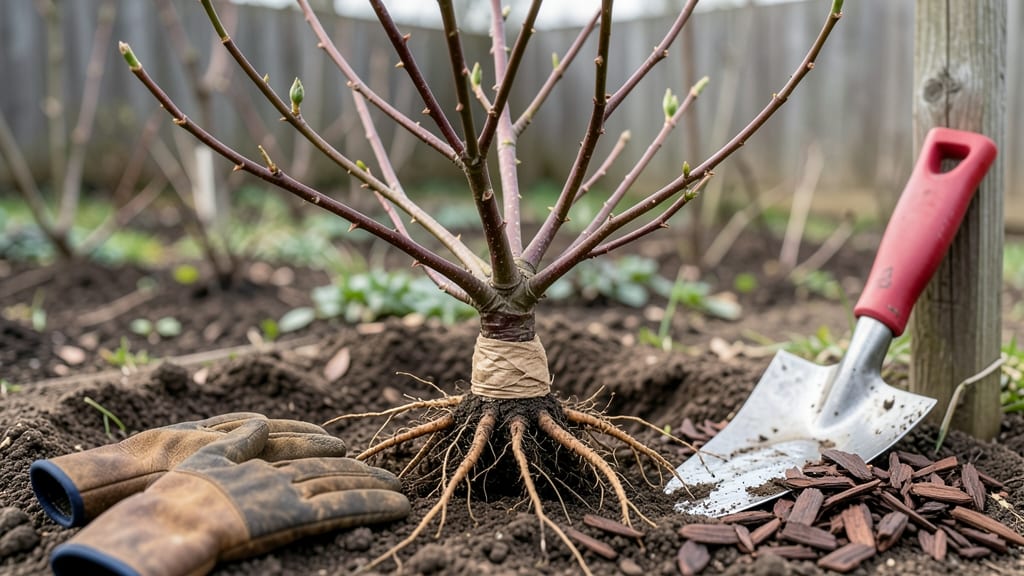
Planting bare root roses at the wrong time in Zone 6 can mean the difference between a thriving 🌹 bush and a frost-killed disaster—and the exact window starts sooner than you might think.
If you've ever wondered why some roses struggle to take root in your climate, it's all about timing. Zone 6's 6a-6b conditions demand precise planting windows to give those roots the 4-6 weeks they need before winter's first freeze.
Get this wrong, and you're fighting an uphill battle against Mother Nature.
Here's what you need to know: The ideal time to plant bare root roses in Zone 6 is either early spring (after your last frost date) or late fall (about 6-8 weeks before your first frost).
Both windows give your roses the best chance to establish strong roots before winter sets in.
I'll walk you through exactly how to calculate your planting dates, what to do before and after planting, and how to protect your new roses from late frosts. Let's make sure your roses get off to the strongest start possible.
Best planting dates for bare root roses in Zone 6: exact timing for optimal root establishment
Bare root roses thrive in Zone 6 when planted during two key windows: late fall or early spring. These periods allow roots to establish before winter dormancy or summer heat stress.
The exact timing depends on your last frost date (typically around April 15 in Zone 6) and soil temperatures reaching 40-50°F.
For spring planting, aim for 4-6 weeks before your last frost. In most of Zone 6, this translates to mid-March to early April. Spring planting gives roses the entire growing season to establish roots before winter.
For fall planting, schedule it 6-8 weeks before your first frost (usually mid-September to early October in Zone 6).
Fall planting is ideal because cooler temperatures reduce transplant shock, and roses enter dormancy naturally. However, avoid planting too early in fall—roots need time to grow before winter sets in. Spring planting is safer if your fall window is tight or soil is still warm from summer.
Here’s how to calculate your exact planting window: Check your last frost date (use the USDA Plant Hardiness Zone Map for precise local data). Subtract 6 weeks for fall or add 4-6 weeks for spring.
For example, if your first frost is October 15, plant in early September for fall. If your last frost is April 15, plant in early March for spring.
🌹 Zone 6 Bare Root Rose Planting Timeline
| Season | Planting Window | Soil Temp | Key Goal |
|---|---|---|---|
| Fall | Mid-September to Early October | 50-60°F | Root establishment before dormancy |
| Spring | Mid-March to Early April | 40-50°F | Full growing season for root growth |
| Avoid | Late fall (after first frost) or late spring (after last frost) | N/A | Increased risk of frost damage or heat stress |
Soil temperature is just as critical as air temperature. Use a soil thermometer to confirm conditions. For spring planting, wait until soil temps consistently stay above 40°F at a 4-inch depth.
For fall planting, soil should be above 50°F to encourage root growth before dormancy. If your soil is still warm in fall, delay planting to avoid stressing the roots.
Another key factor is dormancy timing. Roses planted in fall enter dormancy naturally, which protects them from winter’s harshest conditions. If you plant in spring, ensure roots have 4-6 weeks to establish before summer heat arrives.
This means avoiding late spring plantings—roots won’t have time to harden off before the heat sets in.
Pro tip: If you’re unsure about your exact frost dates, use local gardening resources like your cooperative extension service or neighborhood gardeners. They can provide hyper-local advice tailored to your microclimate.
For example, areas near large bodies of water may have later frost dates than inland regions, even within the same Zone 6.
Once you’ve nailed down your planting window, focus on root preparation. Soak bare root roses in water for 2-4 hours before planting to rehydrate the roots. This step is non-negotiable—dry roots struggle to establish in cold soil.
After soaking, inspect the roots for disease or damage. Trim any mushy or blackened roots with sterilized pruners to prevent rot.
Finally, remember that Zone 6’s climate can vary significantly. If you’re in 6a (colder microclimate), err on the side of earlier fall planting or later spring planting. For 6b (warmer microclimate), you may have a slightly longer fall window.
Always prioritize root establishment over blooms—your rose’s first year is about building a strong foundation for years of beautiful flowers.
Best planting dates for bare root roses in Zone 6: exact timing for optimal root establishment
In Zone 6, timing is everything when planting bare root roses. The ideal window spans 4-6 weeks before your last expected frost or 6-8 weeks before winter dormancy.
For most Zone 6 gardeners, this means late fall (October-November) or early spring (March-April)—but let’s break down the exact science behind these dates.
Bare root roses need 40-50°F soil temperatures to establish roots before dormancy sets in. In Zone 6, soil typically hits this range in late March to early April after the last frost.
Fall planting works because roses enter dormancy naturally, but you must plant 6-8 weeks before ground freezes (usually by mid-October).
🌹 Zone 6 Bare Root Rose Planting Timeline
| Season | Planting Window | Soil Temp | Key Consideration |
|---|---|---|---|
| Fall | Late October - Mid-November | 40-50°F | 6-8 weeks before frost |
| Spring | Early March - Late April | 45-55°F | After last frost date |
Spring planting gives roses 6-8 weeks of active growth before summer heat arrives, while fall planting leverages natural dormancy to avoid summer stress. Both methods work, but spring planting often yields faster blooms in the first season.
Check your local frost dates—Zone 6a gardens (colder) should plant 2 weeks earlier than Zone 6b.
Pro tip: Soak bare root roses for 2-4 hours before planting to rehydrate roots. This jumpstarts growth and reduces transplant shock. After planting, water deeply to settle soil around roots—1-1.5 gallons per plant is ideal. Mulch heavily (3-4 inches) to insulate roots from temperature swings.
If you miss the fall window, don’t panic—early spring is your backup. Just avoid planting when soil is frozen or waterlogged, as this stunts root development. For Zone 6 gardeners, the March 15-April 15 window is your safest bet for spring planting.
Remember, bare root roses are dormant when shipped, so handle them gently. Store them in a cool, dark place (like a garage) if you can’t plant immediately. Once planted, they’ll wake up and grow like crazy—just give them the right timing!