
Plants
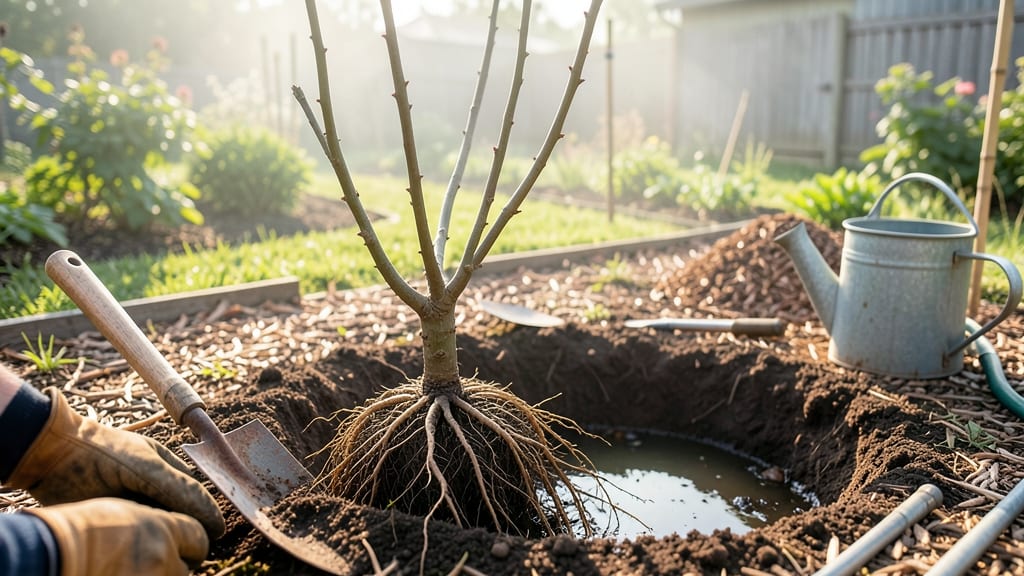
Planting bare root roses in California during the wrong window could mean your 🌹 never takes root—or worse, dies before spring blooms. The key isn’t just picking a month; it’s understanding your microclimate, from frost-prone coastal 9b to bone-dry desert 11 valleys.
Most gardeners assume November is the only time to plant, but in Southern California’s 11 zones, February might be safer. Meanwhile, coastal areas with milder winters can stretch planting into early March. The trick? Match your timing to chill-hour needs and frost dates—not just calendar months.
I’ll break down the exact planting windows for your region, plus soil prep secrets to help those roots establish fast. Skip the guesswork and learn how to give your roses the perfect start, no matter where in California you garden.
Whether you’re a first-time planter or a veteran gardener, these insights will save you time, money, and heartache. Let’s get those bare roots in the ground the right way.
California’s best planting months for bare root roses by region
California’s diverse climate—from coastal fog to desert heat—means planting bare root roses at the wrong time can spell disaster. The key? Planting during the dormant season when roots establish before spring growth.
For most of California, this means November through February, but your exact timing depends on your USDA zone and microclimate.
Coastal areas like San Francisco (USDA 9b-10a) have milder winters, while inland valleys like Bakersfield (USDA 10a-11) rarely see frost. Desert regions like Palm Springs (USDA 10b-11) can plant later, but even they benefit from cooler winter soils.
Let’s break down the best months for each region to maximize your roses’ success.
🌹 California Bare Root Rose Planting Guide by Region
| Region | USDA Zone | Best Planting Months | Key Considerations |
|---|---|---|---|
| Northern California (Coastal) | 9b-10a | November–January | Foggy winters; avoid planting after January 15 to prevent early spring stress. |
| Northern California (Inland Valleys) | 7b-9a | November–February | Cooler nights; plant by February 1 to avoid heat stress. |
| Southern California (Coastal) | 10a-10b | December–January | Mild winters; prioritize December for best root establishment. |
| Southern California (Desert) | 10b-11 | January–February | Wait until soil cools; plant by February 28 for optimal growth. |
🌡️ Pro Tip: Check your local first frost date (via Almanac) and plant 4–6 weeks before to avoid cold damage.
If you’re in USDA Zone 7b or colder (like parts of the Sierra foothills), you can plant as early as October, but avoid planting after January 15—the soil warms too quickly, and roots won’t establish properly.
For Zone 10b and above, focus on January–February to align with natural dormancy cycles.
Microclimates matter too. A coastal garden in Santa Cruz might see 50°F soils in December, while a Central Valley garden in Fresno could hit 60°F by February. Use a soil thermometer to confirm planting conditions—ideal soil temps are 40–60°F.
For climbing roses, plant in November–December to give roots time to anchor before spring growth. Shrub roses are more flexible and can handle January planting in milder zones. Always soak bare roots for 1–2 hours before planting to rehydrate them—this is non-negotiable in California’s dry winter air.
One common mistake? Planting too late in March. By then, the heat of spring can stress newly planted roses. If you miss the winter window, wait until fall 2024 (September–October) for your next chance. Patience pays off—well-established roots mean bigger blooms and fewer pests.
Don’t forget to mulch heavily (3–4 inches of wood chips) after planting. This mimics California’s natural wildland mulch layers and keeps roots cool in desert areas while retaining moisture in coastal fog zones. Mulch also suppresses weeds, reducing competition for your roses’ nutrients.
For container-grown roses, the rules shift slightly. You can plant year-round in mild zones (10a+), but bare root roses still thrive best in cool winter months. If you’re in Zone 9b or cooler**, stick to the November–February window even for containers.
Finally, local nurseries know best. Call your UC Master Gardener Program office or visit a California-native rose specialist—they’ll confirm the best timing for your exact location. For example, Los Angeles County might recommend December 1–January 31, while San Diego could extend to February 15.
How chill-hour requirements affect bare root rose planting timing
Understanding chill-hour requirements is the key to successfully planting bare root roses in California. Most roses need between 300–1,000+ chill hours—a measurement of cold temperatures (below 45°F) they require to break dormancy and bloom. In California’s USDA zones 7–10, this varies dramatically by region, making timing critical.
For example, hybrid teas and grandifloras typically need 600–1,000 chill hours, while native California roses like Rosa californica thrive with as few as 300–500 hours.
Planting too early in mild coastal zones (like San Francisco) risks premature budding, while planting too late in desert areas (like Palm Springs) delays root establishment.
Here’s how chill hours align with California’s frost-free zones:
| Rose Type | Chill Hours Needed | Best Planting Window | California Zones |
|---|---|---|---|
| Hybrid Teas | 600–1,000+ | November–January | 7–9 (coastal/inland) |
| Floribundas | 400–700 | December–February | 8–10 (desert/valley) |
| Native Roses (e.g., Rosa californica) | 300–500 | October–March | 9b–11 (coastal/desert) |
In cooler inland areas (like Sacramento or San Diego), aim for November–December planting to ensure roses receive enough chill hours before spring warmth triggers growth. In milder coastal zones (like Santa Barbara), extend planting into January–February to avoid early budding.
For desert regions (e.g., Palm Springs), where chill hours are scarce, choose low-chill varieties like Knock Out® roses (300–400 hours) or plant in shadier microclimates to delay budding. Always check the USDA chill-hour map for your exact location—tools like the UC Master Gardener Program’s zone finder can help!
Pro tip: If you’re unsure about your local chill hours, monitor nighttime temperatures for 30 days. Aim to plant when consistent temps stay below 50°F—this ensures your roses won’t wake up too soon and struggle in California’s unpredictable spring weather. 🌹