
Vegetables
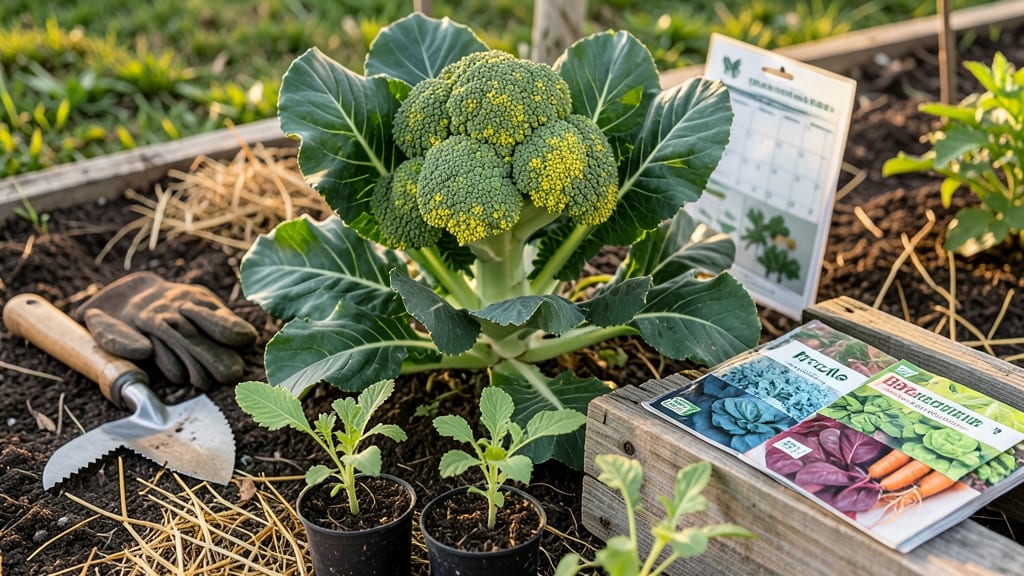
Planting fall vegetables in Virginia isn’t just about timing—it’s about mastering the 50-day window between summer’s last heatwave and the first frost. Miss that mark, and your broccoli might bolt or your kale turn bitter before you even harvest.
But here’s the good news: Virginia’s unique microclimates—from the humid Tidewater coast to the cooler Blue Ridge mountains—mean you can actually plant two or three different crops in the same season if you know the tricks.
I’ve spent years testing fall gardens across Virginia’s zones, and the biggest mistake I see? Planting too early in the heat or too late when the soil’s already chilling.
The key is starting 60 days before your region’s first frost date—but with Virginia’s frost dates ranging from late October in the mountains to mid-November near the coast, that window shifts dramatically.
Let me break down the exact deadlines for your area, plus the top 3 crops that thrive when planted just right.
Whether you’re a backyard gardener in Richmond or a small-farm grower in the Shenandoah Valley, this guide cuts through the guesswork. We’ll cover soil prep, the best varieties for your zone, and how to stretch your harvest well past Thanksgiving.
Ready to turn your fall garden into a green goldmine? Let’s get those seeds in the ground at the perfect moment.
No more wasted effort, no more watching your plants wither before frost. By the end of this, you’ll know exactly when to plant each crop—and how to protect them when winter’s first breath arrives. Your future harvest (and your dinner table) will thank you.
Virginia’s fall planting deadlines by microclimate zone (with frost dates)
Virginia’s fall planting windows vary dramatically across its five distinct microclimates, each with unique frost timelines and soil conditions. Whether you’re in the coastal Tidewater or the mountainous Appalachian Plateau, planting too early or late can spell disaster for your cool-season crops.
Let’s break down the exact deadlines by region so you can align your garden with nature’s calendar.
First, check your USDA Hardiness Zone—Virginia spans zones 6a through 7b, but microclimates create even finer distinctions. For example, Richmond (Zone 7b) gets a later first frost than Blacksburg (Zone 6a), meaning your planting window shifts by weeks.
I’ll cover each region’s last planting date before first frost, soil temperature thresholds, and ideal seed-starting timelines for transplants.
🌱 Pro Tip: Use a soil thermometer—most fall crops thrive when soil temps hover between 40°F and 75°F. If your soil runs cooler (common in high-elevation areas), opt for cold-hardy varieties like ‘Winter Density’ kale or ‘Purple Top’ turnips.
Notice how the Appalachian Plateau has a shorter window—its first frost arrives earlier, so you’ll need to plant fast-maturing varieties like ‘Early Wonder’ peas or ‘Cherry Belle’ radishes. Meanwhile, the Coastal Plain gives you until mid-September to sow seeds, perfect for leafy greens that tolerate light frost.
🌡️ Critical Note: These dates are averages. Check your local Cooperative Extension Service for updates—some years, a late summer heatwave can push first frost back by weeks, while a cool June might shrink your window.
I always set a reminder for 6 weeks before my region’s frost date to start seeds indoors.
For transplants (like broccoli or cabbage), begin indoors 4–6 weeks before your last planting date. <
Best fall vegetables to plant in Virginia (ranked by hardiness & yield)
Virginia’s fall garden thrives with cold-hardy vegetables that tolerate light frosts. My top picks balance hardiness and yield potential, ensuring a harvest even when temperatures dip. Start with broccoli and kale—both handle 25°F without flinching—while radishes and spinach mature quickly for late-season success.
For root vegetables, ‘Danvers’ carrots and ‘Purple Top’ turnips are foolproof, storing well in cool soil. Meanwhile, ‘Winterbor’ kale sweetens after frost, making it a high-reward crop. Below, I’ve ranked these varieties by frost tolerance, days to maturity, and companion planting tips to maximize space and flavor.
Plant broccoli and kale 4–6 weeks before your first frost date (typically late August to early September in Virginia).
For radishes and spinach, wait until mid-September—they mature in 30–45 days, perfect for squeezing in a harvest before winter. ‘Danvers’ carrots take 70 days, so sow them by mid-August in warmer zones like the Coastal Plain.
Companion planting boosts yields: Pair broccoli with dill to repel pests, and interplant radishes with carrots to deter carrot flies. Avoid planting onions near beans—their flavors clash.
For container gardens, opt for ‘Baby Bok Choy’ or ‘Mizuna’, which thrive in 5-gallon pots with 6 hours of sun.
Late-season risk vs. reward: Turnips and beets are high-risk but high-reward—their sweetness peaks after frost. If you miss the window, try ‘Cold Hardy’ lettuce varieties like ‘Winter Density’, which survive 15°F with row covers. Always harden off seedlings for 7–10 days before transplanting to prevent shock.
Pro tip: Use straw mulch (2–3 inches) to insulate soil and retain moisture. This simple trick extends the growing season by 2–3 weeks in Virginia’s Zone 7a–7b regions.
For urban gardeners, prioritize compact varieties like ‘Tokyo Bekana’ cabbage or ‘Round Black’ radishes—they fit in 12-inch pots and deliver fast harvests.