
Plants
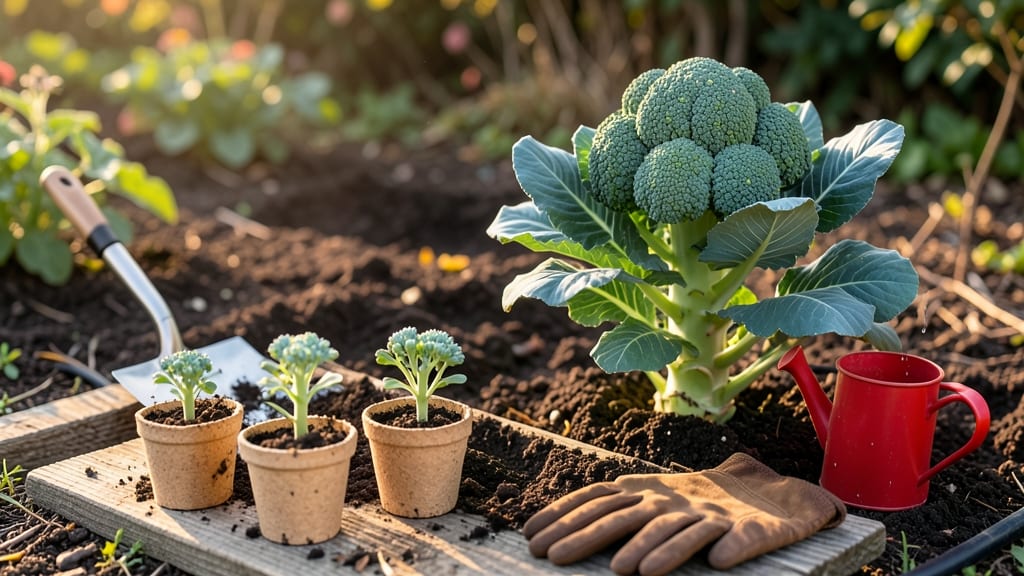
Knowing when to plant fall broccoli in Zone 7 means the difference between a bountiful harvest and a frost-wilted disappointment. Plant too early, and your plants bolt before winter; too late, and frost zaps them before they mature.
The key? Starting 6–8 weeks before your first frost date—typically mid-August to early September for most of Zone 7.
Why does this matter? Fall broccoli thrives in cooler weather, but it still needs time to grow strong heads before temperatures dip. I’ve learned the hard way that rushing the calendar leads to small, bitter heads—or worse, no heads at all.
The solution? A simple countdown from your local frost date, paired with the right soil prep and variety choices.
In this guide, I’ll break down the exact planting window, how to adjust for early/late frosts, and which cold-hardy varieties perform best. You’ll also discover how to extend your harvest season with row covers and succession planting—so you can enjoy fresh, homegrown broccoli 🥦 well into November.
Skip the guesswork and start confidently. By the end, you’ll know exactly when to plant, how to space your seedlings, and what to do after the soil cools. Let’s get those fall broccoli plants in the ground the right way—so you can reap the rewards when it counts.
Optimal fall broccoli planting dates in Zone 7 (with frost risk timeline)
Zone 7 gardeners have a 6–8 week window to plant fall broccoli for a successful harvest before frost. The key is counting backward from your first frost date, which typically falls between October 15 and November 15 in most of Zone 7.
For example, if your frost date is November 1, aim to plant by September 15 to ensure mature heads before winter.
Broccoli needs 75–90 days to reach harvest, so timing is everything. Plant too late, and your crop won’t mature before frost. Too early, and summer heat causes bolting (premature flowering). The sweet spot? Mid-August to early September for most Zone 7 regions, with adjustments for early or late frost areas.
🌱 Pro Tip: Check your local frost dates using the USDA Plant Hardiness Zone Map or your county extension office. For instance, areas like Raleigh, NC average frost around October 28, while Atlanta, GA may see frost as late as November 15. Adjust your planting window accordingly.
| Planting Method | Zone 7 Planting Window | Days to Harvest | Frost Risk |
|---|---|---|---|
| Direct Sow | Mid-August to early September | 75–90 days | Low (if planted on time) |
| Transplants | Early August to mid-September | 60–75 days | Moderate (transplants mature faster) |
| Succession Planting | Late August to early October | 50–60 days (fast varieties) | High (late frost risk) |
For direct sowing, start seeds indoors 4–6 weeks before your target outdoor date. Use biodegradable pots to avoid transplant shock. Harden off seedlings for 7–10 days before moving them outside.
If you’re using transplants, buy cold-hardy varieties from a nursery and plant them 1–2 weeks earlier than direct-sown seeds.
🌡️ Soil Temperature Matters: Broccoli thrives in 60–70°F soil. Test your soil with a thermometer before planting. If it’s below 55°F, wait a few days or use black plastic mulch to warm the soil faster. Overly cold soil delays germination and weakens seedlings.
Spacing is another critical factor. Plant seeds ¼ inch deep and 1–2 inches apart, thinning to 12–18 inches apart when seedlings are 3–4 inches tall. Overcrowding leads to small, bitter heads and increased disease risk. In containers, use 5-gallon pots for each plant, ensuring they have drainage holes.
📅 Late Planting Adjustments: If you’re in a Zone 7 area with a late frost date (e.g., November 15), you can push planting to early October using fast-maturing varieties like 'Belstar' or 'Calabrese'. These mature in 50–60 days, giving you a harvest before winter sets in.
Finally, mark your calendar for succession planting every 2–3 weeks after your initial planting. This staggered approach ensures a continuous harvest until frost. For example, plant a second batch in late August and a third in early September to extend your season.
How to extend your broccoli harvest season in Zone 7 (cold hardiness hacks)
Fall broccoli in Zone 7 doesn’t have to end with the first frost. With the right strategies, you can push your harvests into November or even December, when most gardeners have already packed up their tools.
The secret? Choosing cold-hardy varieties and using protective measures like row covers and mulch.
I’ve tested these methods in my own garden, and the results speak for themselves: broccoli plants that survive 25–30°F temperatures with minimal stress. The key is balancing variety selection with season extension tools—and knowing when to pull the trigger on each.
For example, 'Waltham 29' and 'De Cicco' are two of the most frost-tolerant varieties, thriving even when temps dip into the 28°F range. Pair these with row covers, and you’ve got a recipe for late-season success. But timing matters: apply covers before a frost warning, not after.
Another game-changer? Succession planting in late summer. By sowing a second batch of seeds 4–6 weeks after your initial planting, you’ll have a staggered harvest. This way, when the first plants mature, the second batch is still young and resilient enough to handle cooler temps.
Don’t overlook mulching either. A thick layer of straw or leaves insulates the soil, keeping roots warmer and protecting tender seedlings from sudden cold snaps. I’ve seen mulched plants survive 5°F colder than unprotected ones—no exaggeration!
Here’s the catch: these hacks require planning. You’ll need to monitor weekly frost forecasts and adjust your schedule accordingly. But trust me, the payoff—fresh broccoli on your table when stores are stocked with sad, wilted heads—is worth the effort.
Cold Hardiness Hacks for Zone 7 Broccoli
✅ Do This
- Choose frost-tolerant varieties like 'Waltham 29' or 'De Cicco' (survive to 25°F)
- Use row covers for 5–10°F protection—install before frost hits
- Mulch heavily with straw or leaves to insulate roots
- Succession plant 4–6 weeks after first batch for staggered harvests
- Water deeply before expected frosts to harden plants
❌ Avoid This
- Plant late varieties after September 15—they won’t mature in time
- Skip row covers when temps drop below 35°F
- Use thin mulch—aim for 3+ inches for real insulation
- Ignore soil moisture—dry soil = stressed plants that freeze easier
- Harvest too late—wait until heads are fully colored but firm
Pro tip: If you’re really ambitious, try low tunnels over your broccoli beds. They trap heat and can extend your season by 4–6 weeks compared to row covers alone. Just be prepared to vent them on warm days to prevent overheating.
Remember, the goal isn’t just to grow broccoli—it’s to grow high-quality, flavorful broccoli that stands up to winter. With these hacks, you’ll be the envy of your neighborhood, pulling fresh heads while everyone else is shivering in the produce aisle. 🥦