
Planting
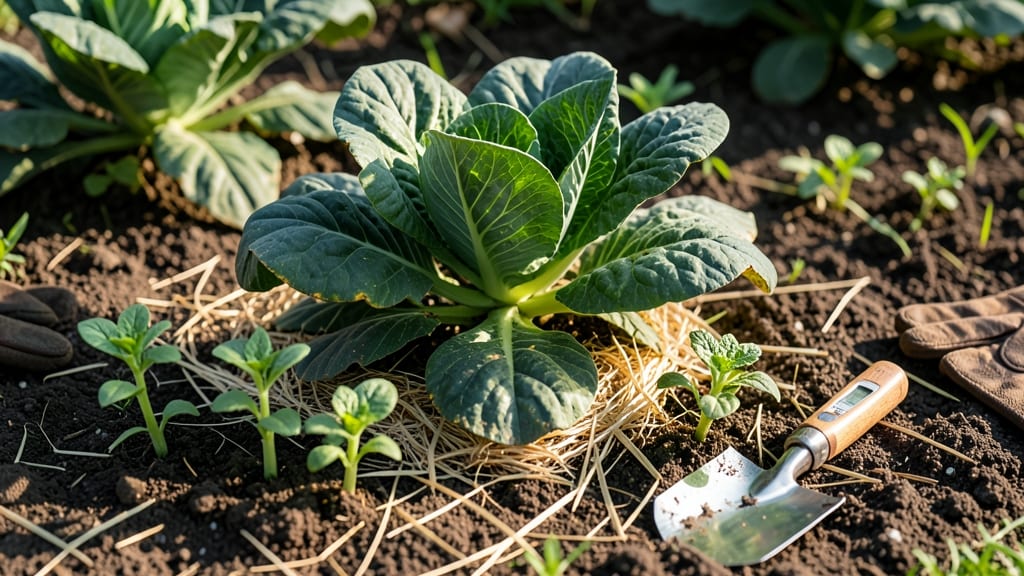
Planting a fall garden in Louisiana might seem tricky with its long summers, but timing is everything—and the August-October window is your golden opportunity to beat the heat and enjoy fresh harvests until December.
Most gardeners assume fall planting means waiting for cooler weather, but in Zone 8B, the key is starting early enough to establish roots before the first frost while avoiding the brutal summer heat.
This strategy lets you grow heat-resistant greens, root vegetables, and brassicas that thrive in Louisiana’s mild winters.
I’ve tested the best varieties and planting schedules, and what works here is different from other regions. Whether you’re a seasoned gardener or just starting, these insights will help you avoid common mistakes and maximize your harvest.
Let’s dive into the exact timing, crops, and pro tips that make fall gardening in Louisiana not just possible—but rewarding.
Optimal planting windows for Louisiana’s heat zone 8B fall garden
Louisiana’s Heat Zone 8B climate means we can grow a fall garden that thrives even after summer’s peak. The key is planting at the right time to avoid bolting from residual heat or freezing before harvest.
Most cool-season crops need 6-8 weeks to mature before the first frost, which typically hits around December 1 in most regions.
Start planning by dividing your fall garden into three planting windows: early, mid, and late fall. Each window targets different crops and extends your harvest well into winter.
For example, leafy greens like spinach and kale can handle cooler temps, while root vegetables like carrots and beets need consistent soil warmth to grow.
Here’s the breakdown of when to plant in Louisiana’s Heat Zone 8B, accounting for our long growing season and unpredictable weather patterns:
| Planting Window | Best Time to Plant | Crops to Plant | Harvest Window |
|---|---|---|---|
| Early Fall | Late July - Early August | Broccoli, Cauliflower, Cabbage, Peas, Beets, Carrots | October - November |
| Mid Fall | Mid-August - Early September | Spinach, Kale, Lettuce, Radishes, Turnips, Green Onions | November - December |
| Late Fall | Mid-September - Early October | Garlic, Onions, Arugula, Mustard Greens, Collards, Swiss Chard | December - January |
If you’re in southern Louisiana (like New Orleans), your frost dates may be slightly later, giving you an extra 2-3 weeks to plant. Conversely, northern regions like Shreveport might experience frost earlier, so adjust your late fall planting accordingly. Always check your local frost date averages for precision.
For herbs, consider planting cilantro and dill in early fall—they’ll thrive in cooler weather and won’t bolt as quickly as they do in summer. Parsley and chives are also great choices for extending your herb garden into fall.
One of my favorite tricks is to plant fast-growing crops like radishes and turnips in late September. These mature in 30-40 days, giving you a quick harvest before the first frost. Pair them with slower-growing crops like broccoli or cauliflower for a balanced fall garden.
Don’t forget to prepare your soil before planting. Louisiana’s clay-heavy soil benefits from compost and organic matter to improve drainage and fertility. Aim for a pH of 6.0-7.0 for most cool-season crops, and add a balanced fertilizer like 10-10-10 at planting time.
Finally, keep an eye on your local weather forecasts. Louisiana’s fall can bring sudden temperature drops or unexpected heatwaves. If a late-summer heatwave hits, use shade cloth or row covers to protect young seedlings from stress.
With these planting windows and a little planning, you’ll enjoy a bountiful fall garden that keeps giving well into winter. 🌱
Heat-zone 8B fall vegetables that won’t bolt or freeze out
Louisiana’s Heat Zone 8B climate demands fall crops that can handle lingering summer heat while avoiding premature bolting or early frost damage. The key is selecting varieties bred for longer growing seasons and bolting resistance, like leafy greens, brassicas, and root vegetables.
These crops thrive in 60-75°F soil temps and full sun while enduring occasional 80°F+ days before temperatures drop.
For leafy greens, opt for bolt-resistant varieties like ‘Winter Density’ kale or ‘Black Seeded Simpson’ lettuce.
These handle mild frosts (down to 25°F) and even improve in flavor after light frost. Brassicas, including ‘Broccoli Crown’ broccoli and ‘Red Russian’ kale, tolerate 30-35°F and grow well into December with row covers.
Root vegetables like ‘Danvers’ carrots and ‘Storage King’ beets thrive in cool soil and avoid bolting when planted in late August. Herbs such as ‘Genovese’ basil (for early fall) and ‘Curly Cilantro’ (bolting-resistant) add flavor without overheating. Succession planting every 2 weeks ensures a steady harvest.
🌱 Best Fall Crops for Louisiana Heat Zone 8B
✅ Bolt-resistant, frost-tolerant
🌡️ 50-75°F ideal
✅ Handles 30°F+ frosts
🌡️ 60-70°F ideal
✅ Avoids bolting in heat
🌡️ 65-75°F ideal
✅ Basil (early), cilantro (late)
🌡️ 60-80°F ideal
💡 Pro Tip: Plant broccoli and kale in late August for harvests through December!
Avoid heat-sensitive crops like spinach or radishes unless planted in September—they bolt quickly in 85°F+ soil. Instead, focus on slow-bolting varieties and shade cloth for early fall plantings. Succession planting every 2-3 weeks keeps your garden productive as temperatures drop.
For herbs, basil is best planted in late summer (August) to harvest before September heat wanes. Cilantro, however, thrives in cooler October temps and can handle light frosts. Mixing fast-maturing crops (like bush beans) with longer-season varieties (like carrots) ensures continuous harvests.
Remember: Louisiana’s unpredictable frost dates mean flexibility is key. Start 6-8 weeks before your average first frost (typically early December), but be ready to extend seasons with row covers or cold frames if frost arrives early.
With the right heat-zone-optimized crops, your fall garden can outlast the heat and frost alike!