
Plants
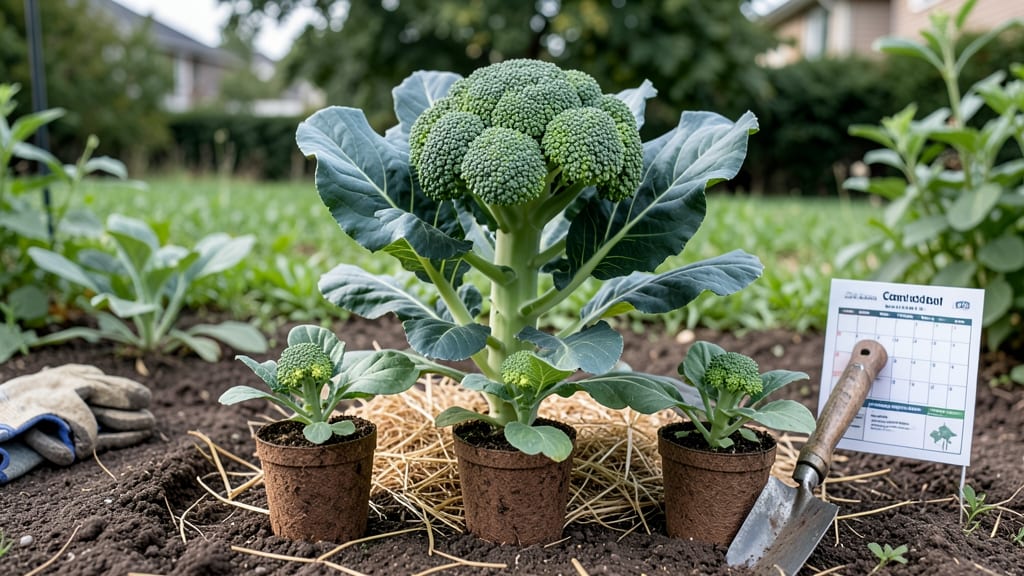
Planting broccoli in Central Texas might seem risky—after all, one wrong move and your 🥦 heads bolt faster than a summer storm. But timing your plantings right means juicy, heat-resistant crowns instead of bitter stalks. The secret lies in those narrow fall and spring windows when temperatures cooperate.
Here’s the game-changer: sow seeds or transplant 4-6 weeks before the first frost (around mid-August for fall) or 2-3 weeks before the last frost (early February for spring). This gives your broccoli enough time to mature before Central Texas’ scorching summers or early freezes kick in.
Why does this work? Broccoli thrives in cooler weather, and Texas’ Zone 8a climate demands precision. Plant too early, and you’ll face bolting from summer heat; too late, and frost ruins your harvest. I’ll break down the exact dates, soil prep, and heat-beating tricks to keep your plants happy.
Ready to grow broccoli that actually makes it to your plate? Let’s dive into the foolproof schedule that turns Texas’ short cool season into your garden’s superpower.
Central Texas broccoli planting calendar: exact dates to avoid bolting
Central Texas's short cool season (just 4-5 months) makes timing everything for broccoli. Plant too early, and summer heat will send your plants bolting. Too late, and frost will ruin your harvest. The key? Two perfect windows: late summer for fall harvests and early spring for spring crops.
For fall broccoli, start seeds indoors 6-8 weeks before your first frost (around July 15-August 1), then transplant August 15-September 15. For spring broccoli, sow seeds indoors February 1-March 1 and transplant March 15-April 15.
These dates align with Central Texas's USDA Zone 8a-8b frost dates.
Here's why these dates work: Fall plants mature before December's first frost, while spring plants avoid summer bolting. The soil temperature must stay between 45°F-75°F—too hot or cold, and your broccoli will struggle.
🌱
Most gardeners skip late summer plantings because Central Texas heat (often 95°F+) triggers bolting. But if you're desperate for broccoli, try heat-tolerant varieties like 'De Cicco' and use 30-50% shade cloth to keep soil temps below 80°F. Even then, expect smaller heads.
For succession planting, space your fall transplants 2-3 weeks apart from August through September. This stretches your harvest from October through November, giving you fresh broccoli before winter sets in. Spring plantings should follow the same staggered approach for May-June harvests.
Pro tip: Check your last frost date (usually February 15 in Central Texas) and count backward. 60-70 days before frost is ideal for transplanting. Use a frost calendar from your local AgriLife Extension office for precise dates.
🌡️
Watch for soil temperature warnings: If daytime temps hit 85°F+, broccoli will bolt within 3-5 days. Use a soil thermometer to monitor—ideal temps are 60°F-70°F for germination and growth. Mulch with straw or wood chips to keep roots cool during heatwaves.
Remember: Broccoli is a cool-season crop, not a summer vegetable. Planting it outside its ideal window means bitter, tough stalks or no harvest at all. Stick to these dates, and you'll enjoy crisp, sweet heads all season long.
How to extend broccoli season in Central Texas heat
Central Texas summers can turn broccoli into bitter, bolted memories—but with the right tricks, you can stretch your harvest well beyond the usual fall window.
The key? Heat management through shade, mulch, and smart variety choices. I’ve grown broccoli in 95°F+ heat using these proven methods, and your garden can too.
First, focus on heat-tolerant varieties like 'Waltham 29' or 'De Cicco'. These handle 90°F+ temperatures better than standard types. Pair them with succession planting every 2 weeks to keep fresh heads coming. Even in summer, broccoli can thrive with the right care!
🌱
- Shade cloth timing: Install 30-50% shade cloth when temps hit 85°F+. Remove it by late afternoon to avoid stunted growth from low light.
- Mulching method: Use 4-6 inches of straw mulch to keep soil temps 10°F cooler. Replenish after rain to maintain coverage.
- Succession schedule: Plant every 2 weeks from August through October for staggered harvests. Start with transplants (faster than seeds) for quicker results.
- Watering hack: Water deeply at dawn (1-1.5 inches) to encourage deep root growth. Avoid wetting leaves to prevent fungal diseases in humidity.
- Variety rotation: Try sprouting broccoli (like 'Calabrese') for smaller, heat-resistant heads. Harvest side shoots after cutting the main head to extend production.
Don’t overlook soil prep—amend beds with compost and aged manure before planting to improve moisture retention. In my Zone 8b garden, this combo delayed bolting by 3-4 weeks compared to unamended soil.
For late-summer plantings, start seeds indoors in July and transplant outdoors by mid-August. Use black plastic mulch to warm soil faster and deter weeds. Just remember: broccoli hates consistent heat above 85°F, so shade is non-negotiable.
💧