
Companion Plants
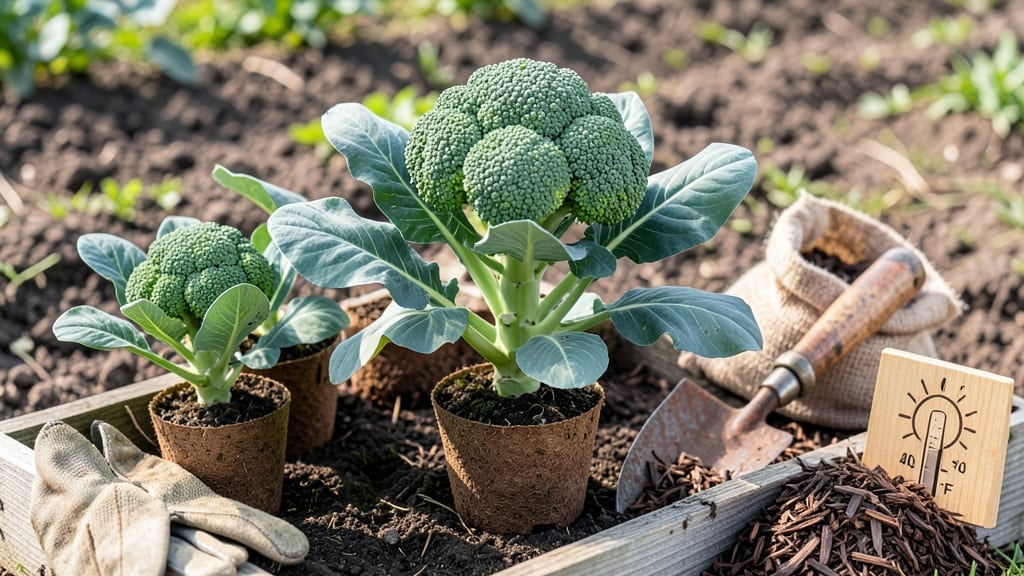
Planting broccoli 🥦 in Zone 8b at the wrong time means bitter, bolted heads instead of the sweet, tender crowns you crave. The key to success lies in understanding your local microclimate and choosing between two critical windows: early spring or late summer.
I’ve learned the hard way that summer heat can turn your broccoli into a sad, flowering disappointment, while fall plantings often deliver the most reliable harvests in this zone. Whether you’re in Southern California or parts of Arizona, timing your seeds or seedlings just right makes all the difference.
In this guide, I’ll break down the exact planting schedule for spring and fall, including soil temperature tips and how to adjust for your specific location. You’ll discover how to avoid bolting, select the best varieties for your climate, and maximize your garden’s potential—without wasting a single seed.
Ready to grow broccoli that’s perfect every time? Let’s dive into the science and strategies that actually work for Zone 8b gardeners.
Optimal broccoli planting windows in Zone 8b: spring vs fall schedule
In Zone 8b, where winters are mild and summers can be scorching, timing your broccoli planting is the key to avoiding bitter, bolted plants. Unlike cooler zones, you have two prime windows—spring and fall—each with unique advantages.
Fall planting often yields better results because it avoids the summer heat that triggers bolting. Let’s break down the exact windows and what your soil should feel like before you plant.
For spring planting, aim for February to early March when soil temperatures hover around 45-55°F. This gives your broccoli 60-80 days to mature before summer heat sets in. If you plant too late, your plants will stretch and bolt before forming heads.
In Zone 8b, the last frost typically occurs in mid-December, so spring planting is a race against the clock to beat the heat.
Fall planting, however, is your golden opportunity. Start seeds or transplant seedlings in late August to early September, allowing them to establish roots before temperatures drop.
Your goal is to harvest before the first frost in mid-January. This timing ensures cool nights and mild days—perfect conditions for broccoli to thrive without bolting.
Here’s the critical rule: Broccoli hates heat. If daytime temperatures exceed 80°F for more than a few days, your plants will bolt (send up a flower stalk) or develop bitter flavors. That’s why fall planting is often more successful in Zone 8b, where summer heat is intense.
| Planting Window | Ideal Soil Temp | Days to Maturity | Key Consideration |
|---|---|---|---|
| Spring (Feb - Early Mar) | 45-55°F | 60-80 days | Avoid summer heat; plant early |
| Fall (Late Aug - Early Sep) | 50-60°F | 50-70 days | Harvest before frost; cooler temps |
| Transplant Window | 40-50°F | N/A | Use hardened seedlings; avoid heat stress |
If you’re using transplants instead of direct sowing, wait until soil temperatures are 40-50°F and daytime highs are below 75°F. Hardened seedlings from a nursery are less stressed and adapt better to Zone 8b’s microclimates.
Pro tip: Choose shade cloth for your seedlings if afternoon temps climb above 80°F—this buys you extra time before bolting.
Microclimates play a huge role in Zone 8b. Coastal areas like Southern California have milder winters and can extend fall planting into early October, while inland desert regions (like parts of Arizona) may need to plant by mid-August to avoid heat stress.
Always check your local first frost date and adjust accordingly.
One common mistake gardeners make in Zone 8b is planting too late in spring or too early in fall. If you miss the window, your broccoli will either bolt from summer heat or fail to mature before frost.
To avoid this, use a soil thermometer—it’s your best tool for nailing the perfect planting time. Aim for consistent soil temps in the 50-60°F range for optimal germination and growth.
For continuous harvests, stagger your plantings. Start with a small batch in February, follow up with another in August, and add a third in September. This way, you’ll have broccoli ready to pick from late spring through winter, avoiding the summer bolting trap entirely.
Just remember: cool nights and mild days are your broccoli’s best friends in Zone 8b.
Finally, don’t overlook succession planting. After harvesting your first fall crop, sow a second batch in late September for a late-winter harvest. This extends your growing season and maximizes your garden’s potential.
With these windows nailed down, you’ll be well on your way to growing sweet, bolt-free broccoli all year in Zone 8b.
Optimal broccoli planting windows in Zone 8b: spring vs fall schedule
In Zone 8b, where winters are mild and summers can be scorching, timing your broccoli planting is the key to avoiding bitter bolts and maximizing harvests. Unlike cooler climates, Zone 8b gardeners have two distinct windows: fall and spring.
Fall planting often yields better results because it avoids the summer heat that triggers bolting. Let’s break down the exact windows and why they work.
For fall planting, aim to sow seeds or transplant seedlings between late August and early September.
This gives your broccoli enough time to mature before the first frost, typically around mid-January in Zone 8b. The goal is to harvest before temperatures dip below 40°F, which can stress the plants and reduce flavor.
Spring planting in Zone 8b is trickier but still possible. Start seeds indoors in January and transplant seedlings outdoors in February to early March, once soil temperatures stabilize above 45°F.
The challenge here is avoiding the summer heat, which can cause bolting. If you plant too late, your broccoli may struggle to mature before temperatures rise.
Pro tip: Use shade cloth during the hottest months (June–August) if you must plant in spring. This can buy you extra time to harvest before the heat triggers bolting. Always choose cool-season varieties like 'De Cicco' or 'Waltham 29' for better heat tolerance.
Remember, Zone 8b has a 240-day frost-free season, so plan accordingly. Fall crops give you a head start on flavor and yield, while spring planting requires extra vigilance. Stick to these windows, and you’ll enjoy crisp, sweet broccoli heads all season long.
For extra precision, check your local USDA Plant Hardiness Zone Map—some microclimates in Zone 8b (like coastal areas) may have slightly different frost dates. Adjust your timing by a week or two if you live in a cooler pocket of the zone.