
Plants
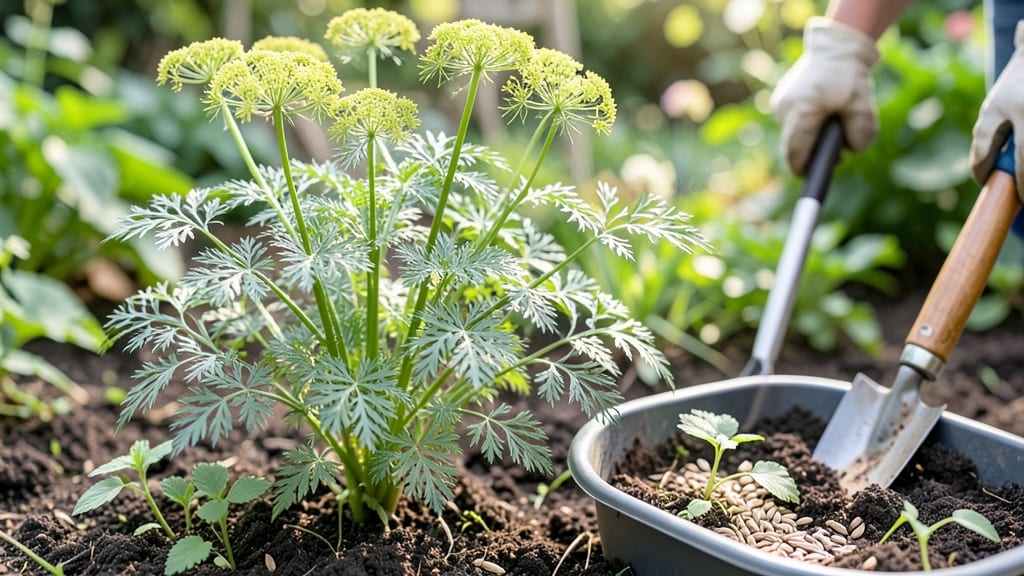
If you’ve ever planted dill in Southern California only to watch it bolt into bitter, seed-heavy stalks by summer, you’re not alone—but there’s a perfect window to grow tender, flavorful 🌿 dill that actually lasts.
The key isn’t just the calendar; it’s understanding your microclimate. Coastal areas like San Diego can handle dill year-round, while inland spots like Riverside need cooler months to avoid heat stress. I’ll break down the exact timing—plus pro tips to keep your dill lush and productive.
Most gardeners miss the fall planting window (September–October), which is when dill thrives before winter rains. But there’s a second chance in early spring (February–March) to sneak in another harvest before the heat kicks in.
Ready to grow dill that stays fresh and delicious? Let’s dive into the microclimate-specific schedule that’ll change your herb game for good.
Southern California dill planting calendar by microclimate zone
Southern California's diverse microclimates mean your dill's success depends on where you live. Coastal areas like San Diego and Santa Barbara enjoy milder winters, while inland LA and desert Palm Springs face extreme heat. Understanding these zones helps you plant at the perfect time for zero-bolt dill all year.
For coastal regions (USDA zones 9b-10a), aim for September-October planting. These areas stay warm longer, so late summer heat can stress young plants. In inland valleys (zone 10a-11), plant in late August to avoid summer's peak temperatures. Desert areas (zone 11) can even plant in early November for winter harvests.
Dill thrives as an annual in Southern California, meaning it completes its life cycle in one season. However, with proper timing, you can harvest year-round by staggering plantings. The key is avoiding heat stress and cold snaps, which trigger bolting—the bitter flavor we all hate.
Here’s how each microclimate differs in planting windows:
| Microclimate | Best Planting Window | Avoid Planting When | Harvest Window |
|---|---|---|---|
| Coastal (San Diego, Santa Barbara) | Late Aug - Early Oct | June-July (peak heat) | Oct - Dec, Feb - Apr |
| Inland (LA, Riverside) | Late Aug - Sept | May-Aug (extreme heat) | Sept - Nov, Jan - Mar |
| Desert (Palm Springs, Coachella) | Early Sept - Nov | June-Aug (100°F+) | Oct - Dec, Jan - Feb |
If you live in high-elevation areas (like Big Bear or Mount Laguna), treat your zone like coastal but plant 1-2 weeks earlier to escape late spring frosts. Even in frost-free zones, temperatures below 50°F can stunt growth, so avoid planting before September 15th in most areas.
For container gardening, timing shifts slightly. Potted dill bolts faster in heat, so plant 2-3 weeks earlier than in-ground varieties. Use black fabric pots to retain moisture and cool roots during 100°F+ days.
I’ve had success with dwarf varieties in containers on patios, even in San Diego’s summer.
Pro tip: Use a planting thermometer to track soil temps. Dill germinates best in 60-75°F soil. If your soil is hotter than 80°F, wait until evening to plant seeds or use shade cloth for the first week.
This trick has saved my dill from bolting in LA’s September heatwaves.
Remember, staggered plantings are your secret weapon. Sow half your seeds in the ideal window, then repeat 6 weeks later for continuous harvests. This method ensures you always have fresh, tender dill—no bitter surprises!
🌿
Southern California dill planting calendar by microclimate zone
Southern California’s diverse climates—from coastal breezes to inland heat—mean your dill’s success hinges on microclimate timing. Coastal areas like San Diego (Zone 10) can plant dill year-round, while inland desert regions (Zone 11) must avoid summer’s scorching temperatures.
The sweet spot for most gardeners? September–October for fall harvests and February–March for spring growth.
In coastal zones, dill thrives with mild winters and cool summers, allowing two planting cycles. Inland areas should focus on fall planting to escape summer heatwaves, while desert climates may need shade cloth to prevent bolting. Let’s break down the exact windows for your region.
| Microclimate | Best Planting Window | Avoid Planting | Harvest Time |
|---|---|---|---|
| Coastal (San Diego, Santa Barbara) | September–October, February–March | June–August (heat stress) | November–December, April–May |
| Inland (Los Angeles, Riverside) | September–October (fall only) | April–September (bolting risk) | November–December |
| Desert (Palm Springs, Coachella) | September–October (with shade) | May–October (extreme heat) | November (limited harvest) |
For coastal gardeners, the February–March window is critical—it lets dill mature before summer’s heat sets in. Inland areas should skip spring planting entirely, as temperatures often exceed 85°F, triggering bolting within weeks. Desert regions may need drip irrigation and afternoon shade to survive even the fall window.
Pro tip: Test soil temperature before planting. Dill germinates best in 60–70°F soil. Use a soil thermometer to avoid waiting too long in spring or rushing in fall. Coastal soils stay cooler longer, while inland areas may need mulch to regulate temperature.
If you miss the fall window, don’t despair—container gardening lets you grow dill year-round on patios or balconies. Just ensure pots have drainage holes and use lightweight potting mix to prevent waterlogging. My balcony dill thrives in 5-gallon pots with morning sun and afternoon shade.
Remember: Dill bolts faster in heat, but with the right timing, you’ll enjoy tender leaves for months. Start seeds indoors 4–6 weeks before your zone’s ideal window to jumpstart growth. For Southern California, that means late July for fall or mid-January for spring plantings.