
Plants
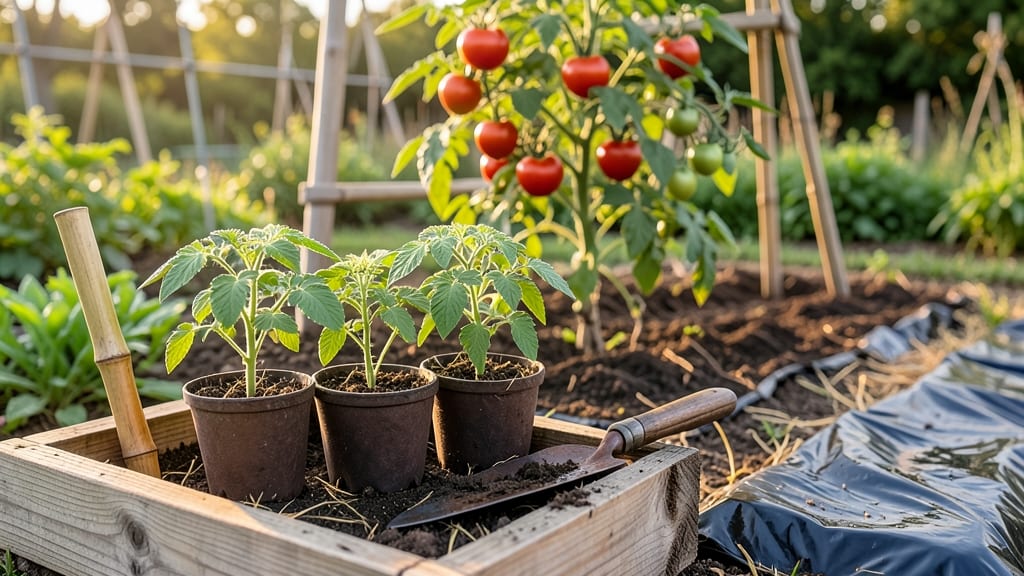
Planting fall tomatoes in Louisiana isn’t just about avoiding frost—it’s about outsmarting the lingering summer heat while locking in a bountiful harvest before winter sets in.
The August-September window gives your 🍅 plants the edge they need to thrive in Louisiana’s 8a-9b zones, where temperatures can still flirt with the 90s even as days grow shorter.
Too early, and your seedlings will wilt under relentless sun; too late, and frost sneaks in before your tomatoes ripen.
I’ve grown fall tomatoes here for years, and the difference between a mediocre harvest and a garden bursting with juicy fruit comes down to precise timing, heat-tolerant varieties, and a few smart tricks to beat the climate.
What if you could extend your growing season by 3-4 weeks without risking blight or stunted growth? That’s exactly what I’ll show you—how to pick the right varieties, prep your soil, and time your planting for maximum success, even when Louisiana’s weather plays hard to predict.
Let’s dive into the exact schedule, from seedling selection to post-planting care, so you can enjoy homegrown tomatoes well into December—no guesswork, just guaranteed results.
Louisiana heat Zone planting calendar: exact months for fall tomatoes
Louisiana’s USDA zones 8a-9b create a unique challenge for fall tomato planting—balancing lingering summer heat with approaching frost risks. The key window spans mid-August through early October, but your exact timing depends on your specific zone and microclimate.
In Zone 9b (warmer southern areas), you can push planting until late September, while Zone 8a gardeners should start by mid-August to avoid early frost.
Your first frost date (typically mid-December) determines your planting deadline. Aim to plant 6-8 weeks before frost—this gives tomatoes 50-70 days to mature before cold snaps hit. For example, if frost arrives December 15, your last planting window closes around October 15 for most varieties.
Soil temperature is your most critical factor. Tomatoes thrive when soil stays above 60°F (15°C). In Louisiana’s late summer, soil often remains too hot (85°F+), which can stunt root growth. Wait until soil cools to 70-75°F (21-24°C)—usually late August or early September—before transplanting seedlings.
Here’s your zone-specific planting schedule to maximize harvests while avoiding heat stress and frost:
| Zone | Ideal Planting Window | Last Safe Planting Date | Soil Temp Threshold | Harvest Window |
|---|---|---|---|---|
| 8a (North LA) | Mid-August - Early September | October 1 | 70-75°F (21-24°C) | October 15 - December 1 |
| 9a (Central LA) | Late August - Mid-September | October 15 | 70-75°F (21-24°C) | October 30 - December 10 |
| 9b (South LA) | Early September - Late September | October 31 | 70-75°F (21-24°C) | November 1 - December 15 |
For container gardening, extend your window by 2-3 weeks—pots warm up faster but also cool down quicker. Use black fabric pots to absorb heat during the day and insulated grow bags at night to protect roots from temperature swings.
Pro tip: Monitor local weather forecasts for heat waves in September. If temperatures exceed 95°F (35°C) for more than 3 days, delay planting until conditions stabilize. Tomatoes in Zone 9b often face September heat spikes—wait for afternoon temps to drop below 85°F (29°C) before transplanting.
Transplant seedlings on overcast days or in the early evening to reduce transplant shock. Harden off seedlings for 7-10 days before moving them outdoors by gradually exposing them to direct sunlight and wind. This prepares them for Louisiana’s humid, breezy afternoons that can stress young plants.
After planting, focus on mulching with straw or shredded leaves to maintain even soil temperatures. This prevents the soil from overheating during the day and cooling too quickly at night—a common issue in Louisiana’s high humidity climate. Aim for a 3-4 inch mulch layer to keep roots stable.
Your last chance for fall tomatoes comes in early October for fast-maturing varieties (like ‘Early Girl’ or ‘Stupice’). These can produce fruit in 50-55 days, giving you a harvest before frost. Just be prepared to cover plants with frost cloth if temperatures dip below 50°F (10°C) at night.
5 Critical factors that determine your fall tomato planting success
Timing isn’t the only factor for fall tomato success in Louisiana—your soil, seedlings, and growing conditions play equally critical roles. Louisiana’s humid climate and lingering summer heat demand extra attention to avoid common pitfalls like blossom drop or heat stress.
Let’s break down the five non-negotiables that separate thriving plants from struggling ones.
First, soil temperature must be above 60°F (15°C) for roots to establish properly. Test your soil with a thermometer—cool ground slows germination and weakens seedlings. Amend with compost to improve warmth retention and drainage, especially in heavy clay soils common across Louisiana.
🌱 Critical Factor #1: Soil Prep & Temperature
- Test soil: 60°F+ for root growth
- Amend with: Compost + aged manure
- Avoid: Fresh mulch (raises soil temp too fast)
- Pro Tip: Use black plastic mulch in August to warm soil
Next, seedling age matters more than most gardeners realize. Transplant 4-6 week old seedlings with 10+ leaves to balance maturity and hardiness. Younger seedlings struggle with Louisiana’s humidity swings, while overgrown plants shock easily. Look for sturdy stems and dark green leaves—avoid leggy, pale seedlings.
Don’t overlook heat-tolerant varieties—standard grocery store tomatoes wilt in Louisiana’s 90°F+ afternoons. Opt for ‘Heatmaster’ or ‘Solar Fire’, which thrive in 85-95°F ranges. These varieties also resist early blight, a fungal disease fueled by Louisiana’s high humidity during fall rains.
Your mulching strategy can make or break your harvest. Use straw or wood chips (not fresh grass clippings) to retain moisture and regulate soil temperature. Apply 3-4 inches around plants but keep mulch 6 inches away from stems to prevent rot.
This is especially critical in September, when daytime heat clashes with cooler nights.
Finally, irrigation consistency prevents blossom drop and cracking. Water deeply in the morning (1-2 gallons per plant) to encourage deep roots. Avoid overhead watering at night—wet foliage + humidity = fungal diseases. Drip irrigation systems work best for Louisiana’s unpredictable rain patterns.
Master these five factors, and your fall tomatoes will outperform spring plantings—no matter Louisiana’s late-summer heat or early winter chills. Start with soil prep now, and your plants will reward you with ripening fruit well into December.