
Plants
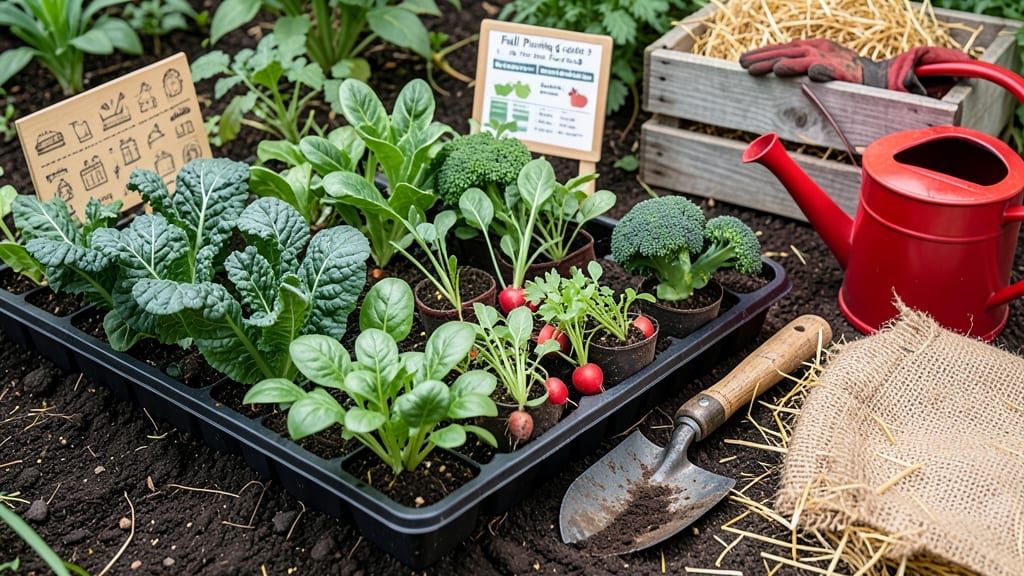
Planting fall crops in Zone 8 at the wrong time means either wilting under summer’s last heatwave or freezing before your first frost—neither of which ends with a harvest.
The key to success? Timing these 🌱 fall crops just right, when soil’s cooled enough to support growth but still has weeks of warmth left.
I’ve learned the hard way that rushing into the garden too early can turn your seedlings into crispy snacks, while waiting too long leaves you scrambling as temperatures drop. The solution? A strategic planting window that balances heat tolerance with frost readiness—something I’ll break down for you, crop by crop.
You’ll discover exactly when to sow your heat-loving greens, root veggies, and brassicas so they mature before the first chill hits. Plus, I’ll share my top tips for avoiding common mistakes that even experienced gardeners make—like overwatering stressed plants or ignoring soil temperature cues.
Ready to transform your late-summer garden into a winter-proof harvest? Let’s dive into the perfect planting schedule for Zone 8, where every seed you plant has a fighting chance to thrive.
Exact months to plant fall crops in Zone 8 by variety type
Timing is everything in Zone 8’s fall garden—where summer lingers into September and frost sneaks in by mid-November. The key? Planting 6-8 weeks before your first frost (typically late July to early September) to give crops time to mature before cold sets in.
But not all plants play by the same rules—leafy greens, root veggies, and brassicas each need their own window.
For leafy greens like lettuce and spinach, start seeds indoors in late June or direct-sow in early August.
These heat-sensitive crops bolt quickly when temps hit 85°F, so use shade cloth if summer drags on. Root vegetables like carrots and beets are more forgiving—plant them in mid-July to early August for harvests before frost.
Meanwhile, brassicas (broccoli, kale) need a longer growing season, so sow seeds in late July or transplant starts in early August.
Succession planting is your secret weapon in Zone 8. Instead of one big planting, stagger seeds every 2-3 weeks from July to September to ensure a continuous harvest. For example, sow radishes every 10 days in August—they mature in just 30 days, giving you quick wins while slower crops like cabbage develop.
Here’s the non-negotiable timeline for Zone 8 fall crops, broken down by category:
Pro tip: Check your local frost date (Zone 8’s average is mid-November, but microclimates vary). If you’re in a cooler pocket, like the Sierra foothills, push plantings to early August.
Conversely, in urban heat islands (e.g., Phoenix, Las Vegas), you might squeeze in a September planting of fast growers like radishes or arugula.
Soil temperature matters just as much as air temperature. Use a soil thermometer—most fall crops thrive when soil is between 50–75°F. If your soil is still above 80°F in late August, delay planting or use black plastic mulch to cool the roots.
For brassicas, aim for 60–70°F soil to avoid stunted growth.
Don’t forget succession planting for a steady harvest. For example, sow bush beans every 2 weeks from July to early September—each batch will mature just as the previous one is ready.
The same goes for lettuce and radishes, which can be harvested in waves. This strategy ensures you’re never without fresh greens or roots, even as temperatures drop.
Finally, keep an eye on the 10-day forecast before your last planting. If a heatwave is predicted, opt for slower-maturing varieties or provide afternoon shade with row covers. The goal? A frost-free harvest that keeps your kitchen stocked well into December.
With this schedule, you’ll avoid the two biggest Zone 8 fall gardening sins: planting too early (and watching seedlings wilt) or planting too late (and losing crops to frost). Stick to these windows, and you’ll enjoy homegrown veggies long after your neighbors’ gardens go dormant. 🌱
Exact months to plant fall crops in Zone 8 by variety type
Mastering the exact planting window for fall crops in Zone 8 means the difference between a thriving harvest and wasted seeds. Since Zone 8’s first frost typically arrives around mid-November, your goal is to plant 6-8 weeks before that date—usually between late July and early September.
But not all crops play by the same rules.
Leafy greens like lettuce and spinach can handle cooler temps and often do best when sown 8-10 weeks before frost, while root vegetables like carrots and beets need a longer growing window. Understanding these nuances ensures your garden stays productive until winter sets in.
| Crop Type | Best Planting Window | Frost Tolerance | Succession Planting Tip |
|---|---|---|---|
| Leafy Greens (lettuce, spinach, kale) | Late July–early August (8-10 weeks before frost) | Moderate (survive light frost) | Sow every 2 weeks until early September |
| Root Vegetables (carrots, beets, radishes) | Mid-August–early September (6-8 weeks before frost) | Low (harvest before frost) | Plant in succession every 3 weeks for staggered harvests |
| Brassicas (broccoli, cabbage, Brussels sprouts) | Early August–mid-September (7-9 weeks before frost) | High (tolerate light frost) | Start transplants indoors in July for fall planting |
| Green Beans (bush or pole) | Late July–early August (harvest before frost) | Low (sensitive to frost) | Plant 2-3 varieties for extended harvest |
| Peas (sugar snap, snow peas) | Mid-September–early October (cool-season lovers) | High (thrive in cooler temps) | Direct sow after soil temps drop below 80°F |
For Zone 8 gardeners, the key is to plant early enough to avoid summer’s last heatwave but late enough to maximize growth before frost. For example, broccoli and cabbage need a 70-80°F soil temperature to germinate, so wait until soil cools in late July before sowing seeds or transplants.
Pro tip: Use shade cloth over young seedlings in August’s peak heat to prevent bolting. This simple trick can extend your planting window by 2-3 weeks and save your crop from early stress.
Don’t forget about succession planting—this is your secret weapon for continuous harvests. For lettuce and radishes, sow new seeds every 2 weeks until early September. This ensures you’re always harvesting fresh produce instead of facing a glut all at once.
Timing is everything in Zone 8’s fall gardening. By following these exact planting windows and adjusting for your local microclimate, you’ll enjoy homegrown veggies well into winter—no frost-related disappointments here! 🌱