
Planting
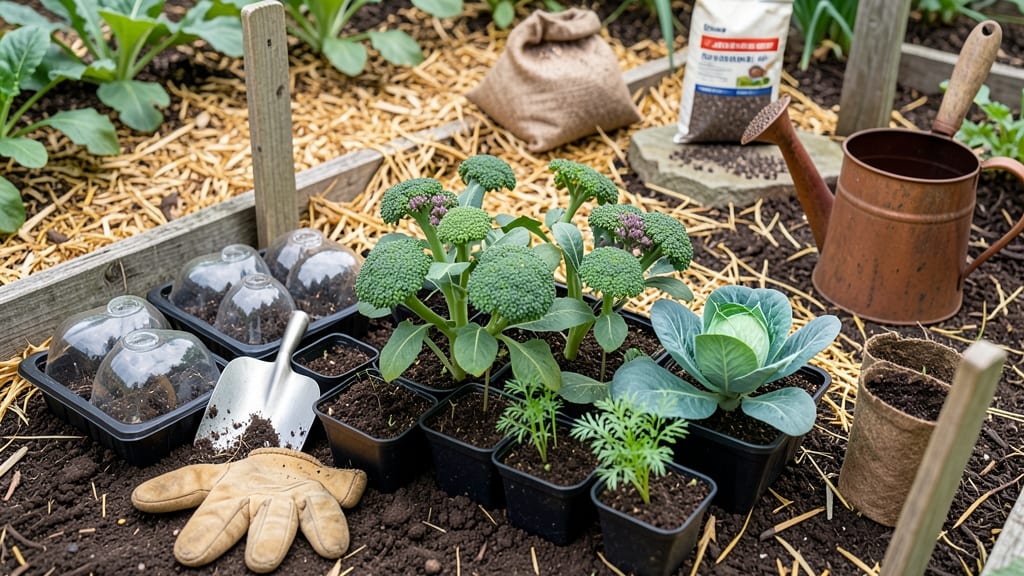
Planting a Fall Garden (General) 🌱 in Alabama isn't just about timing—it's about outsmarting the heat and frost to get the most from your harvest.
If you've ever watched your late-season crops wilt under unexpected chills or bolt in the lingering summer heat, you know how critical the right window can be.
Alabama's 7a-8b zones give gardeners a unique advantage with their extended growing seasons, but even here, a single misstep can mean the difference between a bumper crop and a sad pile of frost-damaged greens.
The key? Starting seeds and transplants at precisely the right moment—usually between mid-August and October—when soil temps drop just enough to encourage growth without inviting early frost.
I've spent years perfecting my own fall garden schedule, and what I'm about to share will help you avoid common pitfalls like planting too early (hello, heat stress) or too late (bye-bye, harvest).
Whether you're a seasoned gardener or just starting out, these month-by-month guidelines will give you the confidence to plant with precision.
From selecting the fastest-maturing varieties to understanding how row covers can push your harvests into December, we'll cover everything you need to know. Let's get your Alabama fall garden off to the best possible start—because timing isn't just important, it's everything.
Alabama’s fall planting heat zones: when to start seeds vs transplants by month
Alabama’s diverse climate—from the cooler Appalachian highlands to the humid Gulf Coast—creates distinct planting windows for fall gardens. The first frost typically arrives between mid-November and early December, but timing varies by USDA heat zone (7a-8b).
To maximize yields, align your planting with soil temperatures and crop maturity rates. Northern Alabama (Zone 7a) has earlier frost risks than southern zones (8a-8b), so adjust your schedule accordingly.
For seeds vs. transplants, the rule is simple: direct-sow seeds 4-6 weeks before your average first frost, while transplants can go in 2-3 weeks earlier since they’re already established. In Alabama, this means late July to early October for most cool-season crops.
Let’s break it down by month and zone to avoid frost damage or bolting (when plants flower prematurely due to heat stress).
🌱 Alabama Fall Planting Timeline by Heat Zone
| Zone | Avg First Frost | Best Seed Start Month | Best Transplant Month | Soil Temp Goal (°F) |
|---|---|---|---|---|
| 7a (North AL) | Nov 10 | Late July - Aug 15 | Aug 1 - Sep 15 | 55-65°F |
| 7b (Central AL) | Nov 15 | Early Aug - Sep 1 | Aug 15 - Sep 20 | 55-65°F |
| 8a (South AL) | Nov 20 | Mid-Aug - Sep 10 | Aug 30 - Oct 1 | 60-70°F |
| 8b (Coastal AL) | Dec 1 | Late Aug - Oct 1 | Sep 15 - Oct 15 | 60-70°F |
📍 Pro Tip: Use a soil thermometer to confirm temps before planting. Ideal soil temps for cool-season crops are 55-70°F.
In Zone 7a (e.g., Huntsville, Decatur), start spinach and lettuce seeds by late July to harvest before frost. Transplants like broccoli and kale can go in by early August.
Meanwhile, Zone 8b (e.g., Mobile, Pensacola) enjoys a longer window: you can plant collards and mustard greens as late as October 1 and still harvest through December.
For succession planting, sow fast-maturing crops like radishes (25 days) or bush beans (50 days) every 2 weeks to stagger harvests. In Alabama’s heat, bolting is a real risk—choose heat-tolerant varieties like Florida Broadleaf lettuce or Southern Curled collards. These thrive in 80°F+ temps and won’t bolt prematurely.
Don’t overlook herbs like cilantro and dill, which bolt quickly in Alabama’s summer heat.
Plant them in partial shade and harvest leaves regularly to encourage bushier growth. Cilantro seeds can be sown until mid-September in most zones, while dill prefers cooler temps and should go in by early August.
If you’re in North Alabama (Zone 7a), prioritize cold-hardy crops like kale, Swiss chard, and carrots, which tolerate light frosts.
In South Alabama (Zone 8b), you can push the envelope with spinach and peas planted as late as October 15, using row covers to extend the season. Always check your local frost dates—the Alabama Cooperative Extension provides updated maps annually.
For soil prep, test your pH (6.0-7.0) and amend with compost or aged manure before planting. Alabama’s clay-heavy soils benefit from organic matter to improve drainage. Add a 2-inch layer of mulch (straw or pine needles) to retain moisture and suppress weeds—critical in Alabama’s humid fall weather.
Remember: Late September is your last
Best fall crops for Alabama’s climate: what to plant for maximum yield
Alabama’s fall garden thrives when you choose cold-hardy crops that mature quickly before the first frost. The top 10 varieties for your region balance speed, frost tolerance, and yield potential. My go-to list includes leafy greens, root vegetables, brassicas, and herbs that perform best in Alabama’s 7a-8b zones.
Leafy greens like baby spinach and kale are frost-tolerant powerhouses, while radishes and turnips mature in just 30-45 days. For brassicas, broccoli and cabbage handle light frosts beautifully. Don’t overlook herbs like cilantro and parsley, which thrive in cooler temps and add flavor to your winter dishes.
Here’s my curated list of the best fall crops for Alabama, ranked by yield and ease of growth:
- Baby Spinach: 30-40 days, 12" spacing, frost-tolerant to 20°F
- Kale: 45-60 days, 18" spacing, sweetens after frost
- Lettuce (Butterhead/Romaine): 40-50 days, 10-12" spacing, harvest before bolting
- Radishes: 25-30 days, 2" spacing, fastest grower
- Turnips: 40-50 days, 4" spacing, edible greens too
- Carrots (Short Varieties): 50-60 days, 2" spacing, loose soil required
- Broccoli: 50-70 days, 18" spacing, harvest before flowering
- Cabbage: 60-80 days, 18" spacing, head forms in cool weather
- Collard Greens: 50-60 days, 12" spacing, tastier after frost
- Cilantro: 40-50 days, 6" spacing, bolts in heat
- Parsley: 60-70 days, 8" spacing, biennial in mild winters
- Calendula: 50-60 days, 12" spacing, edible petals
For maximum yield, focus on fast-maturing varieties and plant in well-draining soil enriched with compost. In Alabama’s heat zones, soil temperatures should ideally be between 60-75°F for optimal germination. Use row covers to protect young plants from unexpected chills, especially in North Alabama’s Zone 7a.
Pro tip: Succession plant every 2 weeks for continuous harvests. For example, sow radishes every 10 days in September for a steady supply. Pair broccoli with carrots—the broccoli’s shade helps carrots stay straight, while carrots deter pests like aphids that target broccoli.
Remember, Alabama’s first frost typically arrives in mid-November, but Zone 7a areas may see frost as early as late October. Choose varieties with 30-60 day maturity to ensure a harvest before the cold sets in.
With the right crops and timing, your fall garden can be just as bountiful as spring!