
Planting
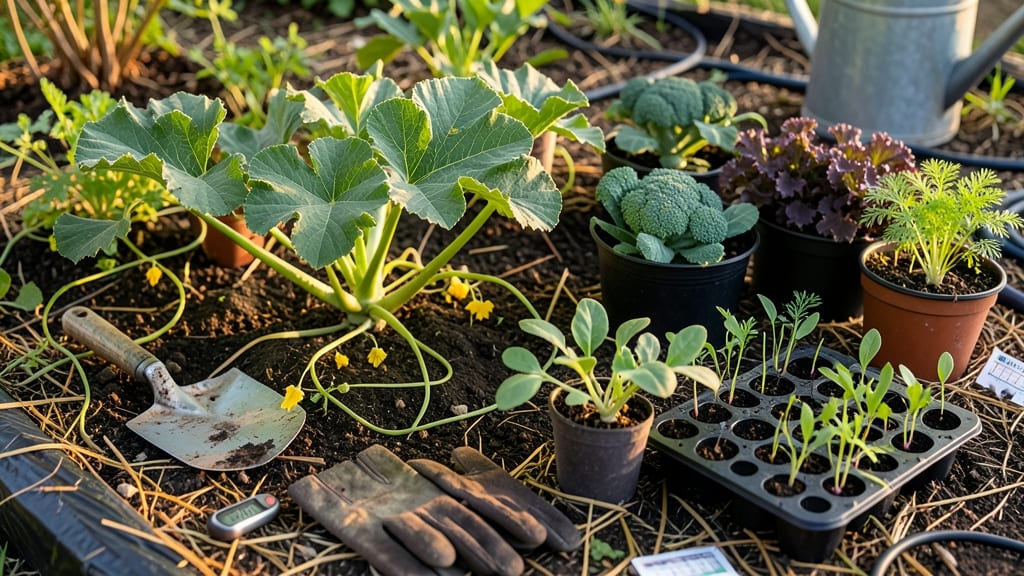
Timing your fall garden in Florida wrong can mean bolting greens or stunted crops before you even taste your harvest—so knowing when to plant is the difference between a thriving garden and a wasted season.
Florida’s unique climate lets you grow year-round, but summer’s lingering heat and early frost threats make fall planting tricky. The key is starting at the right moment—too soon, and your plants will fight the heat; too late, and frost cuts your harvest short.
I’ll break down the exact windows for North, Central, and South Florida so you can avoid common mistakes and enjoy fresh, homegrown veggies all season.
You don’t need fancy equipment—just a little strategy. From heat-tolerant varieties like okra and sweet potatoes to simple soil prep tricks, I’ll show you how to maximize your garden’s potential.
Let’s get those seeds in the ground at the perfect time, so you can enjoy a bountiful fall harvest without the guesswork.
Ready to skip the trial-and-error? Stick around—I’ll walk you through everything from planting dates to post-harvest care, tailored just for Florida’s climate. Your garden’s best season starts now.
Florida’s fall planting timeline: exact dates by region to avoid heat stress
Timing your fall garden in Florida isn’t one-size-fits-all—your region dictates the perfect window to beat heat stress and bolt-resistant greens. North Florida’s cooler nights arrive earlier than South Florida’s, so planting dates shift 1-2 weeks between zones. Let’s break it down by microclimate to ensure your heat-tolerant varieties thrive.
For North Florida (Zones 7b-8a), aim to plant late July to early August for direct-sown crops like okra and sweet potatoes.
These heat-loving plants need soil temps above 75°F to germinate, but cooler nights in August prevent bolting in leafy greens. Central Florida (Zones 8b-9a) gardeners should start mid-August, while South Florida (Zones 10a-11) can extend planting until early September.
Here’s the critical rule: Plant when daytime highs hover around 85-90°F but nighttime temps drop below 75°F. This sweet spot prevents heat shock in seedlings while allowing root establishment before cooler weather arrives. Use a soil thermometer to confirm—ideal temps for most fall crops are 65-75°F.
🌱
| Region | Best Planting Window | Key Heat-Tolerant Crops | Soil Temp Goal (°F) |
|---|---|---|---|
| North Florida (Zones 7b-8a) | Late July–Early August | Okra, Sweet Potatoes, Malabar Spinach | 65–75°F |
| Central Florida (Zones 8b-9a) | Mid-August–Early September | Black Beauty Eggplant, Cherokee Purple Tomatoes, Cowpeas | 70–80°F |
| South Florida (Zones 10a-11) | Early–Mid September | Yam, Long Beans, Amaranth | 75–85°F |
Pro tip: Transplant seedlings 2-3 weeks before your region’s target window to give them a head start. For example, Central Florida gardeners should start eggplant indoors by mid-July to transplant by early August. Harden off seedlings gradually by exposing them to afternoon sun for 1-2 hours daily before transplanting.
Watch for frost warnings after planting—even Florida’s North Zone can see light frosts by mid-November. Use row covers or mulch to protect tender crops like kale or collards if you’re pushing harvests late. South Florida rarely faces frost, but hurricane season (June–November) demands securing lightweight plants.
For direct-sown seeds, like okra or southern peas, wait until soil temps consistently stay above 70°F for 5+ days. Test germination rates by sowing a few seeds in pots first—if they sprout within 7-10 days, your outdoor soil is ready.
Slow germination? Wait another week or use heat mats for faster results.
🌡️
Don’t overlook microclimates—your garden’s sun exposure and wind patterns can shift planting windows by 10 days. Shady spots stay cooler longer, delaying heat stress. Use a shade cloth (30-50%) over seedlings during peak afternoon sun (12–4 PM) to buy time in hotter microclimates.
Pair heat-tolerant crops with shade-providing plants like squash or corn to create natural shade.
Finally, track your local frost dates using the Florida Climate Center or NOAA—first frost in North Florida can arrive as early as November 15, while South Florida rarely sees frost. Plan to harvest heat-sensitive crops like lettuce or spinach before October 15
Top 5 heat-tolerant fall vegetables for Florida gardens (and when to start seeds)
Florida’s fall garden thrives with heat-tolerant vegetables that resist bolting and thrive in lingering summer warmth. Unlike northern climates, my Florida garden can grow okra, sweet potatoes, and malabar spinach well into October. The key? Planting at the right time to avoid heat stress while escaping early frost.
Direct-sowing seeds too early risks bolting greens from residual summer heat, while transplanting too late cuts harvest windows short. My strategy? Start heat-loving seeds indoors 6-8 weeks before your region’s ideal transplant date, then harden off seedlings before moving them outdoors.
Here are my top 5 heat-tolerant fall vegetables—ranked by success in Florida’s climate—along with precise planting timelines to maximize your harvest before frost.
Transplant 6-8 weeks before first frost (typically late July to early August in North Florida). Start seeds indoors in May for a late-summer transplant. Prefers 80-90°F soil temps—ideal for Florida’s fall transition.
Direct-sow seeds 6-8 weeks before last frost (mid-August to early September) or transplant seedlings in late August. Heat sets fruit—avoid transplanting after September 15 in North Florida to prevent blossom drop.
Direct-sow seeds anytime after July 15—this tropical green thrives in 90°F+ heat and grows until frost. Harvest leaves as needed; it won’t bolt like Swiss chard.
Plant slips June 15–July 15 for a fall harvest. Vines tolerate 95°F+ and mature in 90-120 days. Avoid planting after August 1—harvests will be smaller before frost.
Direct-sow seeds March–September—okra loves heat! For fall, sow late July to early August in North Florida. Pods form in 50-60 days and tolerate up to 100°F without stress.
Pro tip: Pair eggplant and tomatoes with basil to improve flavor and deter pests. For okra and sweet potatoes, mulch heavily with straw to retain moisture during Florida’s dry fall spells.
Remember, South Florida’s longer frost-free season lets you plant 2-3 weeks later than North Florida. Adjust these timelines based on your last frost date—check your local USDA zone for precision.