
Planting
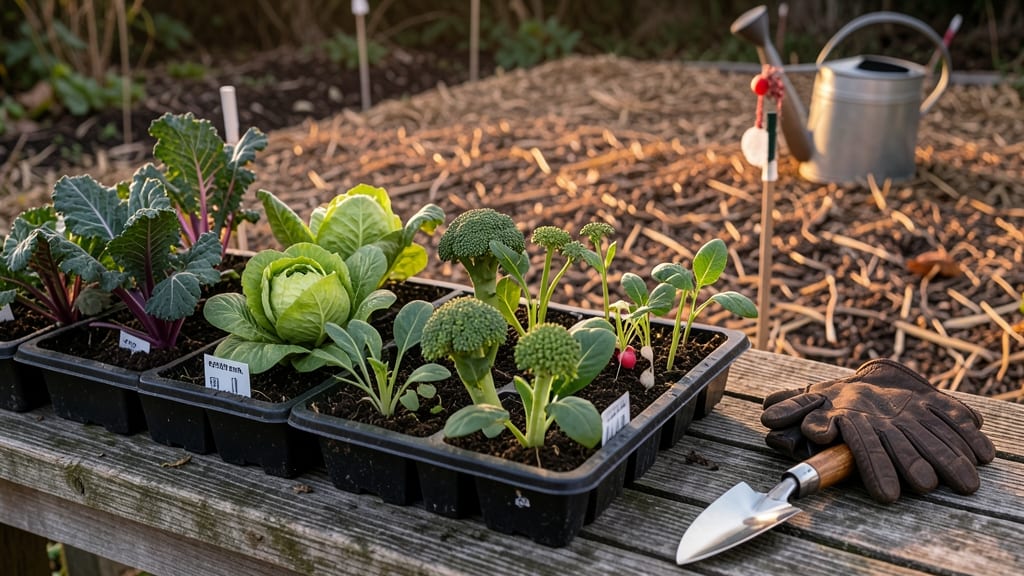
Planting a fall garden in Texas isn’t just about waiting for cooler weather—it’s about outsmarting the heat and frost to get your 🌱 crops thriving before winter sets in. If you’ve ever stared at your calendar wondering, "When exactly should I start?", you’re not alone.
The answer depends on your heat zone, soil prep, and even the crops you’re growing, because Texas’s unpredictable climate can turn a great harvest into a gamble if you’re not careful.
Here’s the game-changer: timing your plantings based on local frost dates and soil temperatures can mean the difference between a bountiful fall harvest and wilted disappointment.
Whether you’re in North Texas or the Rio Grande Valley, I’ll break down the exact windows for sowing seeds and transplanting, so you can avoid the common mistakes that trip up even experienced gardeners.
From heat-tolerant greens like Malabar spinach to cold-hardy favorites like broccoli, we’ll cover the best crops for your region and how to stretch your harvest with successive planting. No more guessing—just science-backed strategies to keep your garden productive well into winter.
Ready to turn your Texas garden into a fall feast? Let’s dive into the step-by-step calendar and tips that’ll have your plants growing strong, no matter where you are in the Lone Star State.
Texas planting zones & fall garden timing by heat zone
Texas isn’t one-size-fits-all when it comes to fall gardening. The USDA hardiness zones 7b through 10a create wildly different planting windows—from North Texas’s early frosts to South Texas’s balmy winters.
For example, Dallas (Zone 8a) can plant kale in early September, while Houston (Zone 9a) waits until late August to avoid heat stress. Let’s break down the exact planting dates by zone and the cool-season crops that thrive in each region.
First, know your average first frost date. In North Texas (Zones 7b-8a), expect frost by mid-November, while South Texas (Zones 9a-10a) rarely sees frost before January. Your goal? Plant cool-season crops 60–90 days before frost—but not too early, or they’ll bolt in the summer heat.
For instance, broccoli needs 75 days to mature, so in Zone 8a, plant by August 15.
Here’s your Texas fall planting calendar by zone, including ideal crops and soil temperature requirements (aim for 60–75°F for germination).
Notice how South Texas (Zones 9a–10a) can plant earlier and longer? That’s because heat lingers—even in fall. For example, Houston’s 75–85°F soil in July is perfect for heat-tolerant greens like Malabar spinach, while Dallas’s 65–75°F soil in August is ideal for broccoli. Pro tip: Use a
How to stretch your fall harvest with successive planting
Texas summers are long, but you can outsmart the heat by planting cool-season crops in waves—this is called successive planting. Instead of one big planting, I space out seeds every 2 weeks to keep a steady harvest until frost.
For example, leafy greens like lettuce mature in just 30–40 days, so I plant new rows every 14 days to ensure fresh salads all season.
Start with heat-tolerant varieties like Malabar spinach or Texas Blue Hubbard squash, which handle late-summer heat better than traditional cool-season crops. These varieties give you a 2–3 week head start before temperatures drop. I’ve seen my Malabar spinach thrive in 90°F soil when other greens bolt.
To maximize success, prep your soil in late July with compost and mulch. This keeps roots cool and retains moisture during Texas’s brutal August heat. I use straw mulch—it blocks weeds, holds water, and insulates soil.
Without this step, my carrots and beets would struggle to germinate in dry, hot conditions.
- Choose fast-maturing varieties (e.g., ‘Black Seeded Simpson’ lettuce—ready in 35 days)
- Plant every 10–14 days after your first sowing (adjust based on maturity time)
- Use shade cloth (30–50%) for late-summer plantings to protect seedlings from intense afternoon sun
- Water deeply at dawn to reduce evaporation and fungal risks (Texas humidity is a double-edged sword!)
- Harvest outer leaves first from greens like kale to encourage continuous growth
Don’t forget Texas-specific crops that shine in fall: collard greens, turnips, and radishes all handle our warm nights better than northern varieties. I’ve had collards survive until December in my North Texas garden—just plant them by mid-August for a late harvest.
For South Texas, push it to early September to avoid early frosts.
Pro tip: Label your rows by planting date! I use color-coded stakes (red for August, blue for September) to track maturity. This way, I know exactly which row to harvest first. It’s saved me from pulling half-grown carrots when I thought they were ready.
With successive planting, you’ll enjoy fresh greens, roots, and brassicas long after your neighbors’ gardens have frozen over. Just remember: start early, stay consistent, and choose the right varieties—Texas rewards gardeners who adapt!