
Plants
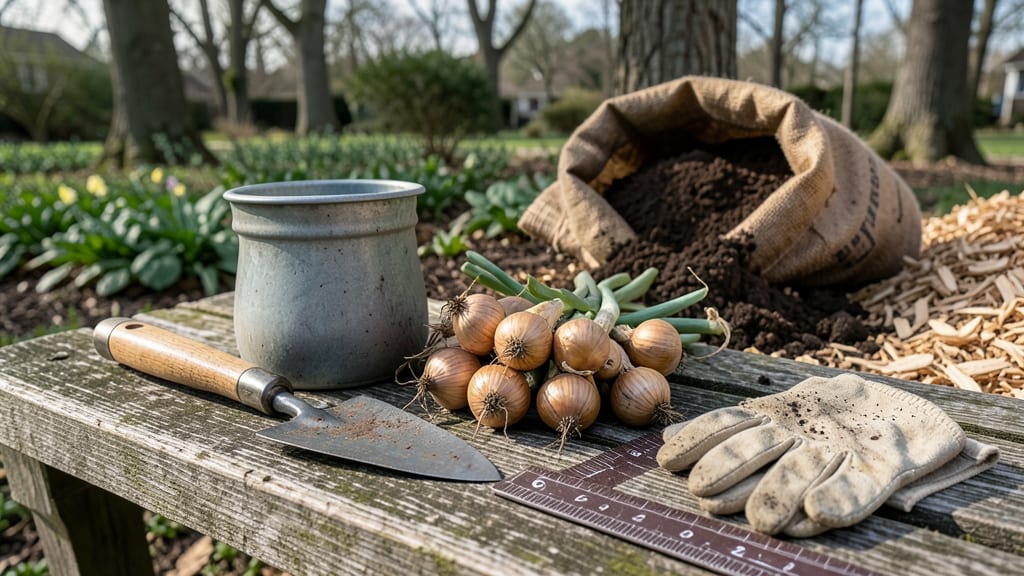
Planting daffodil bulbs in Massachusetts at the wrong time can mean the difference between a vibrant spring garden and wasted effort. The key window—when soil cools but before hard frost—is your golden opportunity to set these cheerful 🌼 blooms up for success.
For gardeners in zones 5b-6b, timing matters more than you might think. Too early, and bulbs rot in damp soil; too late, and they won’t root before winter’s chill. I’ll break down the exact frost-resistant window that works for New England’s climate.
You’ll discover how to read your soil’s cues—temperature, moisture, and even leaf drop—to pinpoint the perfect planting week. Plus, I’ll share pro tips for spacing, depth, and avoiding common mistakes that kill bulbs before they bloom.
With the right approach, you’ll have daffodils popping up reliably year after year. Let’s get those bulbs in the ground the smart way.
Massachusetts daffodil planting calendar by hardiness zones (5-7)
Massachusetts spans USDA Zones 5A through 7A, and each zone demands slightly different timing for planting daffodil bulbs. The key is planting 4-6 weeks before the ground freezes—typically between mid-September and mid-November.
In colder Zone 5A, aim for early September, while Zone 7A gardeners can push into early November.
Daffodils thrive when planted in cool soil (40–50°F). Use a soil thermometer to check—if temps drop below 40°F, bulbs risk rotting. In Massachusetts, this usually aligns with leaf drop in surrounding trees, a natural signal to start planting.
Here’s your zone-specific planting window to ensure bulbs establish roots before winter’s chill sets in:
| Zone | Ideal Planting Window | Soil Temp Goal | Frost Date Risk |
|---|---|---|---|
| 5A (e.g., North Adams, Pittsfield) | Mid-September to early October | 40–50°F | First frost: October 15–20 |
| 6A (e.g., Boston, Worcester) | Late September to mid-October | 40–50°F | First frost: October 25–November 5 |
| 7A (e.g., Cape Cod, Nantucket) | Early October to early November | 45–55°F | First frost: November 10–15 |
🌼 Pro Tip: Plant in well-draining soil to prevent bulb rot, especially in clay-heavy areas like Central Massachusetts.
For Zone 5A gardeners, early September planting gives bulbs time to root before early frosts. In Zone 7A, wait until after mid-October to avoid soggy soil from fall rains. Always plant 6 inches deep and 6 inches apart for optimal blooms next spring.
If you miss the fall window, December planting is possible—just cover bulbs with 4–6 inches of mulch to insulate them. However, spring planting (March–April) is risky; bulbs may bloom too late or fail to establish properly.
Use local frost date averages as your guide. Check the National Weather Service or your cooperative extension service for updates. For example, Boston (Zone 6A) averages its first frost on October 30, so aim to finish planting by mid-October.
Daffodils planted in fall will bloom earlier than spring-planted bulbs. In Massachusetts, expect April–May blooms if planted correctly. For year-round color, stagger planting dates—early September for late-winter blooms and October for early-spring flowers.
After planting, water deeply to settle soil around bulbs. Avoid overwatering, as soggy soil encourages rot. Mulch with 2–3 inches of straw or leaves to protect bulbs from freeze-thaw cycles during winter.
Remember: Daffodils are deer-resistant, making them a great choice for Massachusetts gardens where deer pressure is high. Their toxic sap deters most pests, so once planted, they’re low-maintenance perennials.
5 Critical signs your Massachusetts soil is ready for daffodil bulbs
Timing your daffodil bulb planting in Massachusetts isn't just about the calendar—it's about reading your soil. The perfect window opens when 5 key conditions align: soil temperature, moisture, and even nature's seasonal cues. Ignore these signs, and your bulbs risk rotting or failing to root before winter.
First, check soil temperature—the magic range is 40–50°F. Use a soil thermometer to verify; temperatures below 40°F signal it's too cold for planting. In Massachusetts, this typically occurs in late September to early October, depending on your zone.
Here are the 5 critical signs your soil is ready for daffodil bulbs:
- Soil temperature between 40–50°F (use a thermometer to check)
- Leaf drop in surrounding trees (a natural signal that soil is cooling)
- 4–6 weeks before your average first frost (check local weather data)
- Moist but not soggy soil (daffodils hate waterlogged conditions)
- No rain forecast for 24–48 hours after planting (allows soil to settle)
🌱 Pro Tip: In Zone 5A, aim for early September planting; in Zone 7A, wait until mid-October.
For gardeners in clay-heavy areas like Central Massachusetts, focus on drainage. If water pools after rain, amend your soil with compost or sand before planting. Daffodils cannot tolerate soggy soil, which leads to bulb rot—a common issue in New England's wet fall seasons.
Another key indicator is local wildlife activity. When squirrels and deer start storing nuts and acorns, it’s often a sign that soil temperatures are dropping. This aligns with the ideal planting window for daffodils, which are deer-resistant once established.
If you're unsure about your frost dates, consult the Massachusetts Agricultural Extension Service or use local weather apps like Weather Underground. For example, Boston (Zone 6A) typically sees its first frost around October 30, so aim to finish planting by mid-October.
Once you’ve confirmed these signs, plant your daffodil bulbs 6 inches deep and 6 inches apart. Water deeply after planting to settle the soil, then mulch with 2–3 inches of straw to protect bulbs from freeze-thaw cycles during winter.
By mastering these 5 soil readiness signs, you’ll ensure your daffodils establish strong roots before winter—guaranteeing vibrant spring blooms year after year. Don’t wait until the last minute; the earlier you plant, the better your bulbs will perform.