
Plants
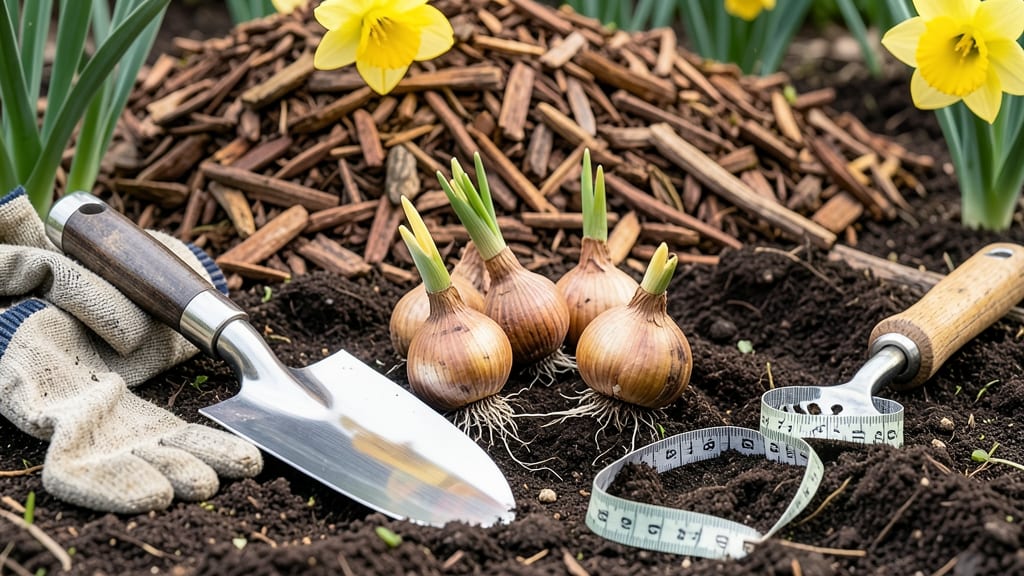
Planting daffodil bulbs in Maryland at the wrong time means either soggy rot or missed blooms next spring—so getting that timing right is your secret weapon for vibrant 🌼 displays.
The key lies in that 6-week window before frost, when soil temps drop but the ground stays workable, giving bulbs just enough chill to root without freezing solid.
Maryland’s USDA zones 7a-7b mean your best bet is late October through early November, but don’t stress if you’re still prepping beds in September—just aim to finish by mid-November before the first hard freeze.
The goal? Plant when soil is cool (60°F) but not yet frozen, ensuring bulbs establish roots before winter’s deep chill sets in.
Why does this matter? Daffodils need that cold dormancy period to break dormancy come spring, and Maryland’s climate delivers it—if you time it right. Too early, and bulbs rot; too late, and they’ll sit dormant until next year.
I’ll walk you through exactly how to nail that window, from soil prep to frost dates, so your garden wakes up to a sea of cheerful yellow and white in April.
Let’s break down the step-by-step schedule for Maryland gardeners, including the best chill-hardy varieties and common mistakes that’ll steal your blooms before they even begin. Your spring garden starts with these bulbs—and timing is everything.
Maryland’s ideal daffodil planting timeline: month-by-month breakdown
Timing your daffodil bulbs perfectly in Maryland means accounting for USDA zones 6-7, average first frost dates around November 15, and the 6-week chill requirement bulbs need to establish roots.
Plant too early, and they’ll rot; too late, and they’ll miss dormancy. Here’s your month-by-month guide to fall planting success.
Start by checking your soil temperature—it should hover between 40°F and 60°F for optimal bulb root growth. In Maryland, this typically aligns with mid-October to early November.
Use a soil thermometer to confirm before digging. Bulbs planted in well-draining soil with 6+ hours of sunlight will thrive year after year.
Here’s your actionable timeline for Maryland gardeners, including key milestones to ensure your daffodils bloom reliably in April-May:
| Month | Task | Details | Notes |
|---|---|---|---|
| September | Soil Prep | Test soil pH (6.0-7.0) | Amend with compost if needed |
| October | Plant Bulbs | 4-6 weeks before frost | 6 inches deep, 4-6 inches apart |
| November | Mulch & Monitor | Add 2-3 inches mulch | Protect from early frost |
| December | Winter Care | Minimal watering (if no snow) | Avoid disturbing soil |
| April | Spring Prep | Remove mulch, fertilize lightly | Blooms appear in 4-6 weeks |
In September, focus on soil preparation. Maryland’s clay-heavy soils often need organic matter like compost or sand to improve drainage. Aim for a pH between 6.0 and 7.0—daffodils thrive in slightly acidic to neutral conditions. If your soil tests higher, mix in peat moss or sulfur.
By mid-October, temperatures drop, signaling the perfect time to plant. Choose chill-hardy varieties like ‘Ice Follies’ or ‘Tête-à-Tête’ for Maryland’s winters. Plant bulbs 6 inches deep and 4-6 inches apart in full sun locations.
This depth protects them from voles and temperature fluctuations while allowing roots to establish before frost.
After planting, add a 2-3 inch layer of mulch (straw or shredded leaves) to insulate bulbs and retain moisture. In November, monitor for early frost—if temperatures dip below 20°F, cover bulbs with extra mulch or burlap.
Avoid watering heavily once bulbs are planted; moderate moisture is all they need until spring.
Winter care is minimal but critical. In December and January, daffodils are dormant, so skip fertilization and reduce watering unless there’s prolonged dry spells. Snow cover is ideal—it provides natural insulation.
By late February, you’ll notice green shoots pushing through the soil. This is your cue to remove mulch and prepare for blooms in April-May.
Pro tip: Mark your planting spots with biodegradable flags to avoid accidentally digging up bulbs in spring. Maryland’s variable spring weather can delay blooming, but with the right timing, your daffodils will reward you with bold, cheerful blooms for years.
For gardeners in northern Maryland (USDA zone 6), aim for planting by October 15—earlier frost dates demand a faster timeline. In southern Maryland (zone 7b), you can extend planting until mid-November. Always check your local frost date averages and adjust accordingly.
🌼
Best chill-hardy daffodil varieties for Maryland gardens
Maryland’s USDA zones 6-7 demand cold-hardy daffodils that thrive through winter chill and deliver vibrant spring blooms. Not all daffodils handle our freezing temperatures equally—some wilt while others flourish.
I’ve narrowed down the top 5 varieties that consistently perform in Maryland gardens, balancing cold tolerance, disease resistance, and early bloom times.
These chill-hardy cultivars have earned their stripes in Maryland’s variable climate, from Baltimore’s coastal breezes to Western Maryland’s colder inland zones. Whether you’re a beginner gardener or a seasoned pro, these varieties offer reliable blooms with minimal fuss.
Let’s dive into the specifics—planting depth, spacing, and bloom timing included!
| Variety | Cold Tolerance | Bloom Time | Planting Depth | Spacing |
|---|---|---|---|---|
| Ice Follies | ❄️ 10/10 | Early April | 6 inches | 4-6 inches apart |
| Tête-à-Tête | ❄️ 9/10 | Mid-April | 5 inches | 3-4 inches apart |
| Thalia | ❄️ 10/10 | Late April | 6 inches | 5-6 inches apart |
| Carlton | ❄️ 8/10 | Early May | 5 inches | 4-5 inches apart |
| Minnow | ❄️ 9/10 | Mid-April | 4 inches | 3 inches apart |
For early spring color, Ice Follies and Minnow are my top picks—they bloom earliest and handle Maryland’s late frosts like champions. Ice Follies, in particular, boasts white petals with yellow centers and thrives even in shadier spots, making it perfect for woodland gardens or understory plantings.
If you prefer later blooms that stand out in May, Carlton delivers deep yellow trumpets and ruffled petals that attract pollinators. However, it’s slightly less cold-hardy, so plant it in well-draining soil to prevent rot during wet winters.
Pro tip: Add a 1-inch layer of sand to heavy clay soil to improve drainage!
Don’t overlook Tête-à-Tête—this miniature daffodil is ideal for rock gardens or container plantings. Its compact size (just 6-8 inches tall) and early bloom time make it a crowd-pleaser for small spaces. Just remember: plant these shallow (only 4-5 inches deep) to avoid overcrowding in containers.
For bold statements, Thalia is a showstopper with large, fragrant blooms in deep yellow. It’s taller and more robust than the others, reaching 18-24 inches, so it’s perfect for border plantings or cut flower gardens. Pair it with tulips for a stunning spring display!
No matter which variety you choose, plant them all in October—this gives the bulbs 6 weeks to establish roots before Maryland’s first frost. And here’s a bonus tip: After planting, mulch with 2-3 inches of straw to insulate the soil and protect bulbs during freeze-thaw cycles.
Your spring blooms will thank you!