
Plants
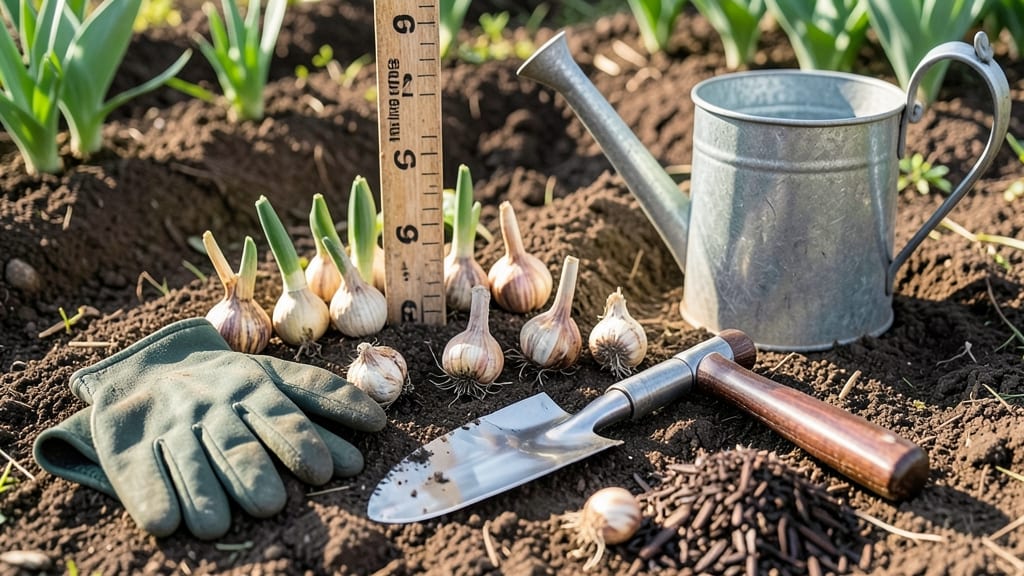
Planting bulbs in the South isn’t just about waiting for fall—it’s about catching that 6-week window before the first frost, or risking bulbs that never bloom.
Unlike cooler climates, where timing is more flexible, Southern gardeners have to work with milder winters and unpredictable frost patterns that can turn a late planting into a wasted investment.
If you’ve ever dug up dormant bulbs in spring only to find them rotted or shriveled, you’re not alone. The key to success is understanding your hardiness zone—whether you’re in Zone 7b or Zone 10a
I’ll break down the exact months to plant for zero-frost success, plus how to prep your soil and avoid common mistakes that derail even the most eager gardeners. What you’ll discover is that the South’s mild climate actually gives you two planting opportunities: fall and early spring. But timing is everything—plant too early, and your bulbs might sprout prematurely; too late, and they won’t establish roots before winter. Let’s get you the precise schedule you need to turn your garden into a spring explosion of color. Ready to stop guessing and start planting with confidence? I’ll walk you through the best bulb varieties for Southern gardens, soil adjustments for sandy or clay-heavy soil, and even how to leverage microclimates to extend your planting window. No more lost blooms—just reliable, vibrant results.
Southern planting Zones: exact fall dates for bulbs by hardiness zone
Timing is everything when planting bulbs in the South. Unlike northern climates, Southern gardeners can extend planting into late fall or even early spring—but only if you follow soil temperature cues and hardiness zone guidelines.
The key is planting when soil cools to 50-60°F, signaling bulbs to root before dormancy. Miss this window, and you risk premature sprouting or weak growth.
In USDA Zones 7b-8a, where mild winters are the norm, most bulbs thrive when planted from October through mid-December. Zones 9-10a can push planting even later—into January—thanks to frost-free winters. But don’t wait too long: bulbs need 6-8 weeks to establish roots before summer heat arrives.
Here’s your zone-by-zone planting calendar for classic spring-blooming bulbs like tulips, daffodils, and crocus, plus tips for heat-tolerant varieties that thrive in Southern summers.
| Zone | Ideal Planting Window | Soil Temp Threshold | Key Bulb Varieties | Notes |
|---|---|---|---|---|
| 7b-8a | October 15 – December 15 | 50–60°F (10–15°C) | Daffodils, Tulips, Hyacinths, Crocus | Plant early to avoid winter rains. Mulch after planting. |
| 8b-9a | November 1 – January 15 | 55–65°F (13–18°C) | Rain Lilies, Spider Lilies, Heat-Tolerant Daffodils | Avoid planting in summer heat; opt for cooler months. |
| 9b-10a | December 1 – February 15 | 60–70°F (15–21°C) | Crinum Lilies, Agapanthus, Daylilies (from bulbs) | Plant in winter to escape summer drought. |
| All Zones | February–March (Early Spring) | 60–70°F (15–21°C) | Tulips, Hyacinths, Crocus | Best for Zone 10a or container gardening. |
For Zone 7b-8a, aim to plant by December 15 to give bulbs time to root before winter rains. In Zones 9-10a, where frost is rare, focus on December-January planting to avoid summer heat stress.
Pro tip: Use a soil thermometer to confirm temps—bulbs won’t root well in soil above 65°F.
If you’re in a microclimate (like a coastal area with milder winters), you might plant 2-3 weeks later than the average zone date. Conversely, inland or elevated areas may need earlier planting to account for colder snaps. Always check your last frost date and adjust accordingly.
One common mistake? Planting too shallowly in sandy Southern soils. Dig holes 3x the bulb’s height and mix in compost or aged manure to improve drainage. In clay-heavy soils, amend with sand or perlite to prevent rot.
Mulch with 2-3 inches of pine straw or shredded leaves after planting to retain moisture and regulate soil temps.
For container gardening in the South, use well-draining pots and plant bulbs in late fall or early spring. Containers heat up faster, so avoid planting in summer months unless you’re growing heat-tolerant varieties like spider lilies.
Water containers deeply once a week and fertilize lightly in early spring with a balanced 10-10-10 mix.
Remember: Spring-blooming bulbs need a period of cool dormancy to flower. In warm zones, this might mean planting earlier in fall or even using a refrigeration trick (store-bought bulbs can be chilled for 6-8 weeks before planting in Zone 10a).
For fall-blooming bulbs like crocus or fall daffodils, plant in late summer (August-September) to bloom before winter.
Finally, mark your calendar for late winter (February-March) when early spring planting begins. This is your backup window if fall planting was missed—just be prepared to water consistently to help bulbs establish before summer heat arrives.
Critical mistakes to avoid when planting bulbs in warm climates
Planting bulbs in the South comes with unique challenges—like avoiding premature sprouting from mild winters or dealing with heavy clay soils that hold too much moisture.
One of my biggest mistakes early on was planting tulips in September (too early), only to watch them sprout in October and get fried by unpredictable late-summer heat. Timing is everything, and Southern gardeners need to adjust for local microclimates and soil types.
Another common error is skipping soil preparation. Sandy soils drain too fast, while clay soils suffocate roots. I learned the hard way when my daffodils struggled in heavy Texas clay—until I amended it with compost and perlite to improve drainage.
Even mulch thickness matters: too little, and bulbs dry out; too much, and they rot. Aim for 2-3 inches of organic mulch after planting.
Here’s the most critical mistake I see: ignoring frost dates. While the South rarely gets hard freezes, light frosts (28-32°F) can still damage tender bulbs like tulips or hyacinths. Always check your local last frost date—even in Zone 10, some areas get brief chills in winter.
Planting too late (after soil temps drop below 60°F) delays root growth, leaving bulbs vulnerable.
⚠️ Southern Planting Pitfalls
- Planting too early: Bulbs sprout in warm soil, then die in late heatwaves.
- No soil amendments: Clay or sand starves roots of nutrients/water.
- Skipping mulch: Southern sun bakes bulbs dry; mulch retains moisture.
- Overwatering: Soggy soil causes rot—especially in Zones 9-10.
- Wrong bulb choice: Traditional tulips fail; opt for heat-tolerant varieties.
Pro Tip: Use a soil thermometer to confirm temps are 50-60°F before planting.
Let’s talk bulb depth. Many gardeners plant too shallow, exposing bulbs to temperature swings. In the South, dig holes 3x deeper than the bulb’s height—for example, a 3-inch daffodil bulb needs a 9-inch-deep hole.
This protects them from surface heat and wild temperature swings. I also avoid planting near sidewalks or patios, where heat radiates at night and stresses bulbs.
One final warning: don’t fertilize at planting. Southern soils are often rich, and fresh fertilizer can burn tender bulb roots. Wait until spring foliage emerges to apply a light 5-10-10 mix.
Over-fertilizing in fall leads to weak stems that flop in spring rains—a common sight in my Zone 8 garden before I learned better.
By avoiding these mistakes, your bulbs will thrive year after year with minimal fuss. The key? Know your zone, prep your soil, and plant at the right time—not when your neighbor does it. Every Southern garden is different, so adjust based on your microclimate and bulb type. 🌱