
Companion Plants
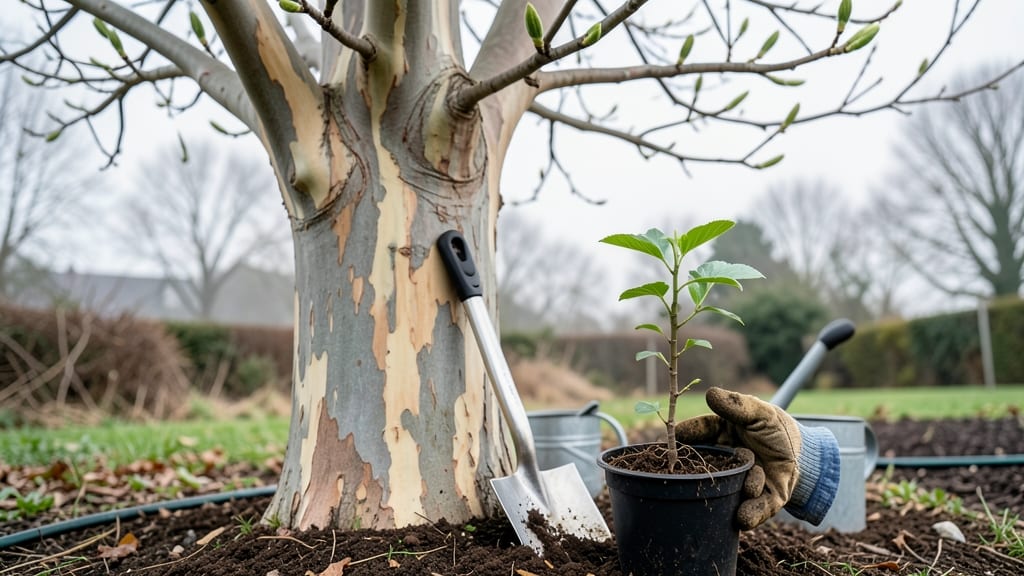
Planting your crape myrtle 🌸 at the wrong time in Virginia could mean the difference between a thriving tree that blooms for years and one that struggles to survive. With USDA Zone 7B’s unpredictable spring frosts and humid summers, timing is everything—especially when you want vibrant blooms and strong roots.
Most gardeners in Virginia swear by the spring window between March 15 and April 30, but fall planting (September 15–October 31) can also work if you play it smart.
The key? Avoiding those late frosts that sneak in after your last frost date—usually around April 15—and giving roots time to establish before summer’s heat kicks in.
I’ve seen firsthand how a well-timed crape myrtle can transform a yard, but I’ve also watched poorly planted ones wilt under Virginia’s tough conditions. Whether you’re a first-time planter or a seasoned gardener, knowing the exact window—and how to prep your soil—makes all the difference.
Let’s break down the perfect planting schedule for your zone, plus pro tips to avoid common mistakes that kill crape myrtles in Virginia. Ready to get it right?
Optimal crape myrtle planting windows in Virginia’s zone 7B climate
Virginia’s USDA Zone 7B climate offers two ideal windows for planting crape myrtles: early spring and fall. Timing is critical—plant too early, and frost will damage tender roots; too late, and your tree won’t establish before winter.
Let’s break down the perfect planting months and why they matter most in Virginia.
The best time to plant crape myrtles in Virginia is between March 15 and April 30 (spring) or September 15 and October 31 (fall).
These windows align with Virginia’s average last frost date (April 15) and first frost date (October 15), giving your tree 6–8 weeks to root before extreme temperatures arrive.
Spring planting gives crape myrtles a full growing season to establish roots before summer heat sets in. The soil warms to 60°F or above, ideal for root growth, while avoiding the stress of summer drought or winter frost.
Fall planting, on the other hand, allows roots to grow in cool but not freezing soil, reducing transplant shock when spring arrives.
Virginia’s microclimates can shift planting windows by 2–4 weeks. Coastal areas (like Norfolk) may plant 1–2 weeks later due to milder winters, while inland zones (like Roanoke) can plant earlier. Check your local Virginia Cooperative Extension frost data for precision.
Soil temperature is more critical than air temperature. Aim for soil temps above 55°F—use a soil thermometer to confirm. Cold soil slows root growth, leaving your crape myrtle vulnerable to transplant shock or disease. In Virginia, this typically aligns with mid-April for spring and mid-September for fall.
Here’s how Virginia’s climate affects your timing:
| Season | Optimal Planting Window | Soil Temp Requirement | Frost Risk |
|---|---|---|---|
| Spring | March 15–April 30 | ≥55°F (13°C) | Low after April 15 |
| Fall | September 15–October 31 | ≥50°F (10°C) | Moderate after October 15 |
Why these windows work: Spring planting gives roots 3–4 months to grow before summer heat. Fall planting lets roots establish in cool soil while avoiding winter stress. Both methods minimize transplant shock, a common killer of crape myrtles in Virginia’s humid climate.
Avoid planting in summer (June–August)—Virginia’s heat and humidity increase root stress and fungal diseases. Winter planting (November–February) risks frost damage to newly planted roots. Stick to the spring/fall windows for the healthiest, longest-lived crape myrtles.
Pro tip: If you miss the ideal windows, container-grown crape myrtles can be planted in May or June with extra care—water deeply 2–3 times weekly and mulch heavily to retain moisture. Just be prepared for slower initial growth.
For Virginia gardeners, the key is patience. A crape myrtle planted at the right time in Zone 7B can live for 30+ years, while a poorly timed planting may struggle for decades.
Choose your window wisely, and you’ll enjoy vibrant blooms and minimal maintenance for years to come. 🌸
Optimal crape myrtle planting windows in Virginia’s zone 7B climate
Virginia’s Zone 7B climate offers two ideal windows for planting crape myrtles: spring and fall. The key is timing these windows to align with soil warmth and frost-free periods. For spring, aim for mid-March through April 30, while fall planting should wrap up by October 31.
These periods give your tree’s roots time to establish before summer heat or winter frost arrives.
Spring planting benefits from warmer soil temperatures (above 60°F) which encourage root growth. Fall planting, on the other hand, allows roots to establish before winter dormancy. Both windows avoid the stress of transplant shock during extreme temperatures.
In Virginia, the average last frost date is around April 15, so planting after this date minimizes frost damage risk.
| Planting Window | Soil Temperature | Frost Risk | Root Establishment |
|---|---|---|---|
| Spring (March 15 - April 30) | 60°F+ | Low (after April 15) | 6-8 weeks before summer heat |
| Fall (September 15 - October 31) | 55°F+ | Moderate (after October 15) | 8-10 weeks before first frost |
Virginia’s microclimates can shift planting windows slightly. Coastal areas may experience earlier last frosts, while inland regions might see later first frosts. Always check local Virginia Cooperative Extension resources for precise frost dates in your area.
For example, Northern Virginia might plant slightly later than Southeastern Virginia due to cooler spring temperatures.
When planting crape myrtles, prioritize soil temperature over calendar dates. Use a soil thermometer to confirm temperatures meet the 60°F+ threshold for spring or 55°F+ for fall.
This ensures roots can absorb moisture and nutrients efficiently. Cold soil slows root growth and increases transplant shock risk, especially for bare-root plants.
For container-grown crape myrtles, you have a slightly longer window—planting can extend into May or early June if container roots are well-established. However, avoid planting during peak summer heat (June-August) when evaporation rates are high. Container plants also benefit from acclimation to outdoor conditions for 1-2 weeks before planting.
Remember that dwarf varieties establish faster than standard trees, so they can tolerate slightly later spring planting. For standard crape myrtles, stick to the ideal windows to ensure robust growth. With proper timing, your crape myrtle will thrive in Virginia’s climate, rewarding you with vibrant blooms for decades. 🌸