
Plants
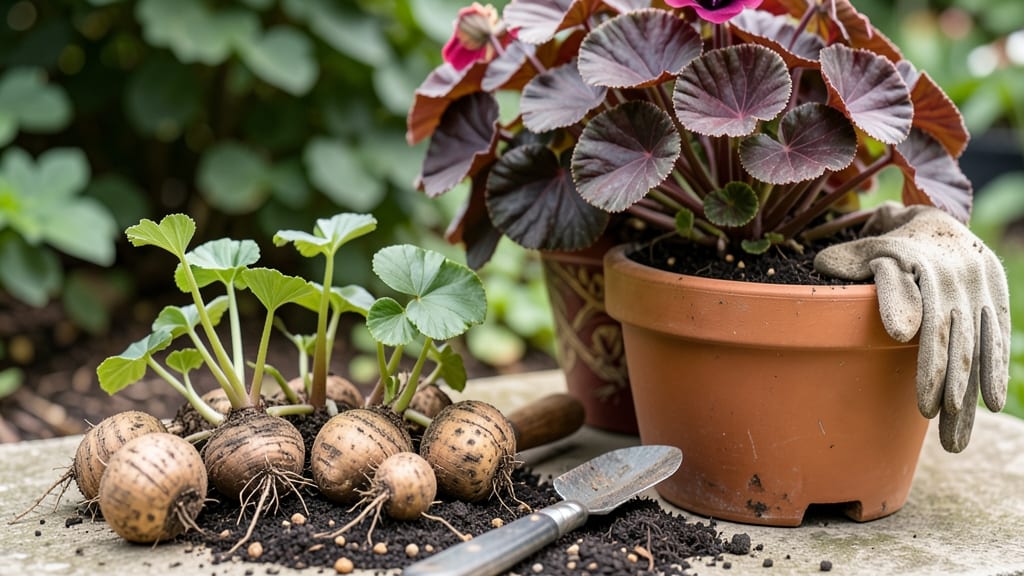
Timing when to plant begonias in the pots can make all the difference between a thriving 🌸 begonia and one that struggles to bloom. Since these beauties are frost-sensitive, getting them in the ground—or in pots—at the right moment is key, especially in USDA Zone 6a where temperatures swing wildly.
Most gardeners wait until after the last frost date in April or May to plant begonias in pots, but there’s more to it than just the calendar.
Container-grown begonias heat up faster than in-ground plants, so you’ll need to adjust based on your microclimate and the type of begonia you’re growing.
Whether you’re starting with tuberous begonias for summer color or fibrous types for year-round interest, I’ll break down the best planting windows to ensure your plants stay happy and healthy. Let’s dive into the perfect schedule for your zone and container setup.
By the end, you’ll know exactly when to plant, how to transition pots indoors before cold weather hits, and which varieties thrive best in containers. Ready to grow begonias that wow all season long?
USDA zone planting schedule for begonias in pots (with temperature guidelines)
Begonias thrive in pots, but their planting timeline varies dramatically by USDA zone and begonia type. Unlike in-ground plants, potted begonias heat up faster and dry out quicker, so timing matters even more.
Let’s break down the best months to plant tuberous vs. fibrous begonias across zones 3 through 11, with temperature thresholds to avoid stress.
In Zones 9-11, you can plant begonias year-round, but aim for early spring (March-April) or late summer (August-September) to avoid extreme heat. Meanwhile, gardeners in Zones 3-8 must wait until after the last frost—typically May or early June—to prevent frost damage.
Container-grown begonias also need at least 60°F soil temps to root properly.
Here’s how to align your planting with your zone’s climate and the specific needs of tuberous (summer bloomers) vs. fibrous (year-round) begonias. The key? Start 4-6 weeks before your last frost date for indoor prep if needed, then transition outdoors when nighttime temps stay above 55°F.
| Zone | Best Planting Month | Minimum Soil Temp (°F) | Begonia Type | Notes |
|---|---|---|---|---|
| 3-5 | May-June | 60°F | Fibrous | Start indoors March-April |
| 6-8 | April-May | 55°F | Tuberous | Avoid late frosts |
| 9-11 | March-April or Aug-Sept | 65°F | Both types | Year-round possible |
For Zones 3-5, begin tuberous begonias indoors in March to give them a head start. These varieties need 8-10 weeks of indoor growing before transplanting to pots outdoors.
In Zones 6-8, you can plant directly into pots after the last frost, but always harden off seedlings for 7-10 days to acclimate them to outdoor conditions.
In warmer zones (9-11), the best planting windows are March-April for spring blooms and August-September for fall color. Tuberous begonias planted in late summer will often bloom until first frost, while fibrous types can overwinter indoors in pots. Always use well-draining potting mix—begonias hate soggy roots!
Pro tip: If you’re in Zone 6a like me, mark your calendar for April 15 (last frost date) and plant fibrous begonias outdoors in pots by May 1.
For tuberous types, start tubers indoors in March and move them to pots once nighttime temps stay above 55°F. This gives you 165 frost-free days to enjoy blooms!
One common mistake? Planting too early in cooler zones. Begonias won’t thrive if soil temps dip below 55°F, leading to root rot or stunted growth. Use a soil thermometer to check before planting—it’s worth the investment for container-grown plants.
Finally, remember that potted begonias dry out faster than in-ground plants. After transplanting, monitor soil moisture closely and water every 3-5 days (more often in summer). Mulch the top of pots with orchid bark to retain moisture and regulate temperature.
With this schedule, your begonias will bloom earlier and more abundantly, whether you’re in a cold zone or a warm one. Happy planting—your patio (or windowsill!) will thank you.
How to adjust planting times for container-grown begonias (light, heat, and drainage factors)
Container-grown begonias need special timing adjustments because pots heat up faster than garden beds, especially during late spring and early summer.
Unlike in-ground plants, your potted begonias can suffer from root rot if planted too early when soils are still damp, or heat stress if delayed too long in hot zones.
For USDA Zones 3-5, start potted begonias indoors 6-8 weeks before your last frost date. This gives them a head start while protecting tender roots from late frosts. In warmer zones (6-11), you can plant outdoors 2-4 weeks earlier than in-ground begonias since containers warm up faster.
Pay close attention to soil temperature—begonias thrive when soil stays above 60°F (15°C). Use a soil thermometer to check before planting. If your morning temps dip below this, delay planting or use black plastic mulch to warm the soil faster.
Another critical factor is drainage timing. Potted begonias need well-draining soil to prevent soggy roots. If your pots lack drainage holes, add a 1-inch layer of perlite or orchid bark to the bottom.
Water only when the top 1-2 inches of soil feel dry to the touch—overwatering is the #1 killer of container begonias.
⚠️ Container-Specific Warning
Never plant begonias in pots when nighttime temps drop below 55°F (13°C). Containers cool down faster than garden beds, shocking tender roots. Use frost blankets or move pots to sheltered spots if early frosts threaten.
For tuberous begonias, wait until soil temps reach 65°F (18°C)—they’re even more sensitive to cold. In Zone 6a, this typically means mid-May planting.
Light conditions also affect timing. If your begonias receive direct afternoon sun, plant them 1-2 weeks later than recommended schedules to avoid leaf scorch. Instead, place pots in morning sun or dappled shade until they establish roots.
Pro tip: For year-round container growing, transition tuberous begonias indoors before first frost (October in Zone 6a). Place pots in a bright, cool room (60-65°F) and reduce watering to every 10-14 days until spring. This keeps your begonias alive for next season’s blooms!