
Plants
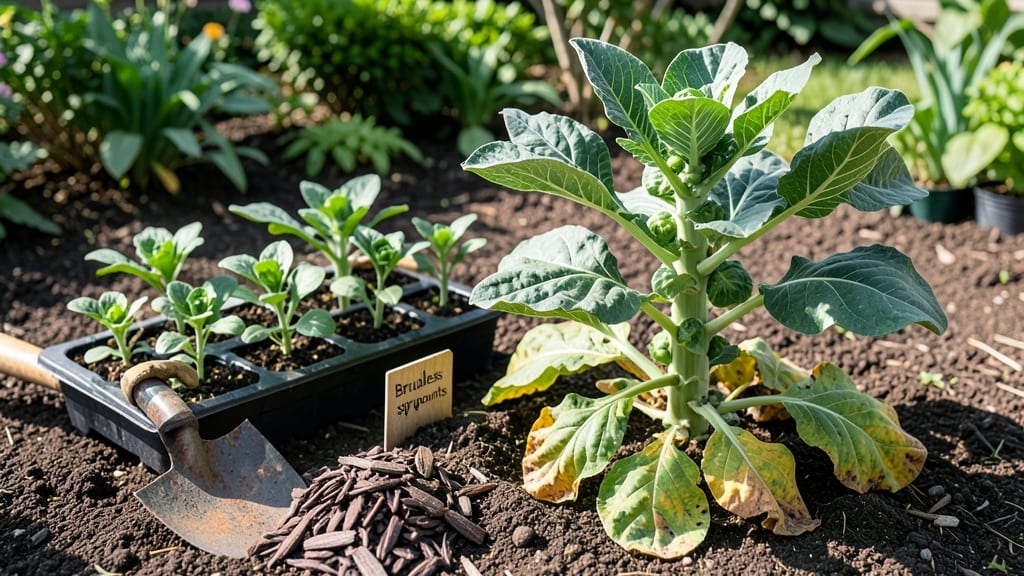
Planting Brussel sprouts 🥦 in Maryland isn’t just about picking a random date—it’s about timing your crop to avoid frost wipeouts and maximize that sweet, nutty harvest.
The key is understanding Maryland’s 7a-7b zones, where spring and fall windows differ by 30 days or more, depending on whether you’re in coastal Baltimore or the Piedmont hills.
Most gardeners here make one of two mistakes: planting too early and risking frost damage, or waiting too late and missing the fall harvest window.
But with the right schedule—mid-April to early May for spring or late July to early August for fall—you can grow Brussels sprouts that mature just in time for October’s first chilly nights.
Why does this matter? Because Brussels sprouts thrive in cool weather, and Maryland’s unpredictable frost dates can turn your hard work into a gamble. The solution? A frost-date cheat sheet tailored to your region, plus tips on adjusting for microclimates like the cooler Appalachian foothills or the milder Eastern Shore.
Let’s break down the exact planting windows, soil prep, and companion plants that’ll help your Brussels sprouts grow bigger, sweeter, and frost-resistant—so you can enjoy homegrown harvests from fall through winter without the guesswork.
Maryland’s ideal planting windows for Brussels sprouts: frost dates & hardiness zones
Brussels sprouts thrive in Maryland’s USDA Hardiness Zones 5b-7a, but timing is everything. The last spring frost typically arrives around April 15 in most regions, while the first fall frost hits by November 15.
To maximize your harvest, focus on two key planting windows: spring (mid-April to early May) and summer (late July to early August).
Spring planting gives you a fall harvest (October-December), while summer planting ensures a winter harvest (December-February) if protected. Maryland’s 165 frost-free days create a narrow window—miss it, and you’ll either lose seedlings to frost or harvest too late in the season.
Here’s the frost-date cheat sheet tailored for Maryland gardeners, broken down by zone and planting strategy:
| Zone & Region | Last Frost Date | Spring Planting Window | Summer Planting Window | Harvest Window |
|---|---|---|---|---|
| 5b (Western MD Mountains) | April 20 | Late April | Late July | October–December |
| 6a (Frederick, Hagerstown) | April 15 | Mid-April | Early August | October–January |
| 7a (Baltimore, Annapolis) | April 10 | Early April | Late July | October–December |
| 7b (Coastal MD) | March 25 | Late March | Early August | September–December |
For spring planting, sow seeds 4-6 weeks before your last frost date (e.g., March 15–April 1 in most zones). Start indoors in late February if using transplants, then harden off seedlings before transplanting.
For summer planting, aim for 90 days before the first frost—typically late July to early August.
Maryland’s coastal regions (Zone 7b) enjoy milder winters, allowing for earlier spring plantings and extended fall harvests. In contrast, inland and mountainous areas (Zone 5b) face earlier frosts, requiring adjustments like row covers or cold frames to protect late-season crops.
Pro tip: Use early-maturing varieties like ‘Long Island Improved’ (85 days) for spring plantings and cold-hardy types like ‘Jade Cross’ (95 days) for fall harvests. These varieties align perfectly with Maryland’s shorter growing seasons.
Always test your soil’s pH (6.0–7.5) before planting—Brussels sprouts are sensitive to acidic soil. Amend with lime if needed, and mulch heavily to retain moisture during Maryland’s hot, humid summers.
🌱
How to adjust planting timing for Maryland’s microclimates: coastal vs. Piedmont vs. mountain regions
Maryland’s geography creates three distinct growing zones—coastal, Piedmont, and mountain—each with unique frost patterns that can shift your Brussels sprout planting window by weeks.
For example, Baltimore’s coastal zone (USDA 7b-8a) often enjoys 10-14 days earlier last frosts than Frederick’s Piedmont (USDA 6b-7a), while Western Maryland’s mountains (USDA 5b-6a) can face late frosts until May 1. Adjusting your timing by region ensures your plants thrive without frost damage.
In coastal Maryland (e.g., Annapolis, Ocean City), start Brussels sprout seeds indoors by March 15 for transplanting after the April 1 average last frost. For direct sowing, wait until mid-April—cooler ocean breezes delay soil warming.
Meanwhile, Piedmont gardeners (e.g., Baltimore, Frederick) should push planting to late April to avoid late-March frosts that linger inland.
Mountain regions like Garrett County (USDA 5b-6a) demand even stricter timing: start seeds indoors by March 1 and transplant no earlier than May 1.
These areas also benefit from row covers to extend the growing season—cover young plants until May 15 to protect against unpredictable late frosts that can kill tender seedlings.
Maryland’s Microclimate Planting Adjustments
- Coastal (USDA 7b-8a): Start seeds March 15; transplant April 15.
- Piedmont (USDA 6b-7a): Start seeds April 1; transplant May 1.
- Mountains (USDA 5b-6a): Start seeds March 1; transplant May 15.
- All regions: Use row covers until soil warms to 50°F.
For fall harvests, coastal gardeners can direct-sow July 15–August 1, while Piedmont and mountain regions should wait until August 1–15 to avoid early October frosts.
In Western Maryland, even August 15 may be cutting it close—opt for early-maturing varieties like ‘Long Island Improved’ (90-day harvest) to ensure a crop before frost.
Extend your growing season with cold frames or low tunnels. In coastal areas, these can push harvests into December**; in the mountains, they add 2-3 weeks of frost-free growth.
Just ensure ventilation to prevent bolting from heat stress—Brussels sprouts despise temperatures above 85°F, which triggers bitter, woody growth.
Pro tip: Monitor your local Maryland State Climate Office for 10-day forecasts in spring. If nighttime temps dip below 32°F after planting, cover seedlings with frost cloth or a lightweight blanket. With these regional tweaks, you’ll turn Maryland’s climate quirks into a Brussels sprout success story.
🌱