
Companion Plants
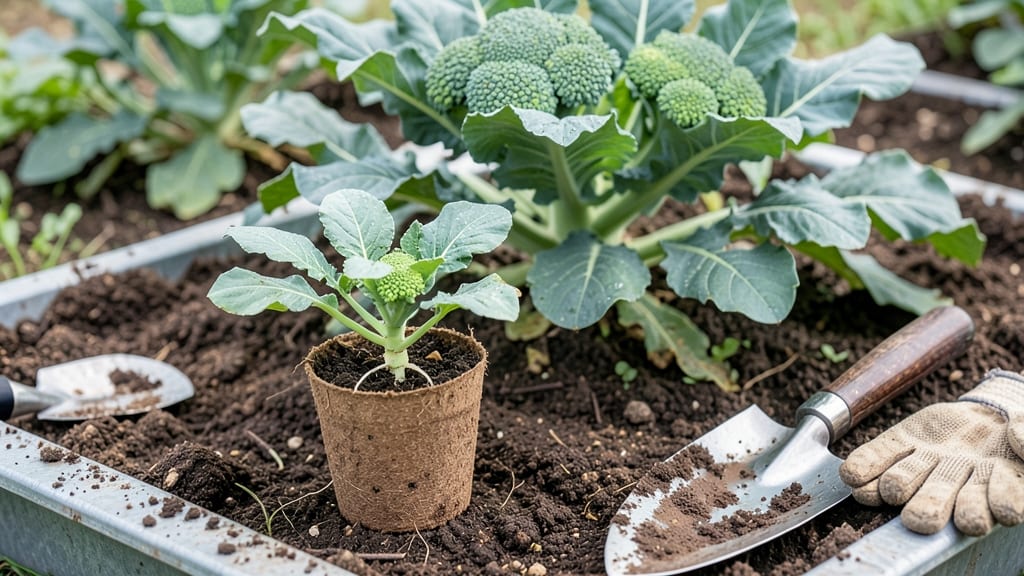
Planting broccoli 🥦 in New Jersey isn’t just about throwing seeds in the dirt—it’s about timing it perfectly to avoid frost damage or summer bolting.
The key is getting those seedlings in the ground 4-6 weeks before your last frost date, which typically lands in mid-April for most of the state. Get it wrong, and you’ll either be dealing with wilted plants or bitter-tasting heads.
I’ve learned the hard way that NJ’s USDA zones 6a-7b mean you’ve got two chances to grow broccoli: once in early spring and again in late summer.
But here’s the catch—spring planting requires patience (and a little luck with unpredictable late frosts), while fall planting demands careful planning to beat the first frost in October. Both windows are doable, but they need your attention to detail.
What makes this even trickier is that New Jersey’s climate varies wildly from north to south. Coastal areas might get a slightly later last frost, while inland spots can freeze earlier.
That’s why knowing your exact planting window—whether it’s March-April for spring or July-August for fall—isn’t just helpful, it’s essential for a successful harvest.
Ready to avoid the common mistakes that turn NJ gardens into broccoli graveyards? I’ll walk you through the exact steps to prep your soil, choose the right varieties, and protect your plants from frost—so you can enjoy a garden full of those nutrient-rich, tender heads instead of disappointment.
NJ’s last frost dates & broccoli planting windows by region
New Jersey’s USDA zones 6b-7a create distinct planting windows for broccoli, with last frost dates varying by region. North Jersey (zone 6b) typically sees frost until April 15-20, while South Jersey (zone 7a) can plant until April 25-30.
Central NJ falls right in between, with April 20 as the average last frost date.
For spring planting, aim to transplant 4-6 weeks before your region’s last frost. This means March 15-25 for North Jersey and April 1-10 for South Jersey. Fall planting requires 90-120 days before the first frost (mid-October), so start seeds in July for a late-September harvest.
Microclimates matter—urban areas like Newark may experience frost 1-2 weeks later than rural spots in Hunterdon County. Check your local Cooperative Extension Service for precise frost data tailored to your ZIP code.
Broccoli thrives in cool weather, so avoid planting when soil temperatures exceed 80°F. Summer heat causes bolting (premature flowering), ruining your harvest. Use shade cloth if planting in late summer for fall crops.
Here’s how to align your planting with NJ’s two prime windows—spring and fall—while accounting for regional variations:
🌱 NJ Broccoli Planting Windows by Region
| Region | USDA Zone | Last Frost Date | Spring Planting Window | Fall Planting Window |
|---|---|---|---|---|
| North NJ | 6b | April 15-20 | March 15-25 (transplant) | July 1-15 (start seeds) |
| Central NJ | 7a | April 20-25 | March 25-April 5 (transplant) | July 15-25 (start seeds) |
| South NJ | 7a | April 25-30 | April 1-10 (transplant) | July 25-August 5 (start seeds) |
*Transplant seedlings 4-6 weeks before last frost for spring; start seeds 90-120 days before first frost for fall.
For urban gardeners, container growing extends flexibility. Use 5-gallon pots and move them to sheltered spots if frost threatens. Cold-hardy varieties like ‘Waltham 29’ tolerate light frosts (28°F) and are ideal for North Jersey’s shorter season.
Always harden off seedlings for 7-10 days before transplanting. Acclimate them to NJ’s wind and sun by gradually reducing shade and exposure. Skip this step, and seedlings may bolt or wilt under stress.
Pro tip: Plant calendula or nasturtiums nearby to deter pests like cabbage moths. These companion plants also add color to your broccoli patch while improving yield.
Track your garden’s progress with a planting journal. Note when you transplant, how long it takes to form heads, and any pests or diseases. Over time, you’ll refine your NJ-specific timing for bigger, healthier broccoli harvests.
How to extend your broccoli season in NJ: fall planting strategies
Fall broccoli in New Jersey rewards patient gardeners with sweeter, cooler-season harvests just as summer’s heat fades. The key? Start 90-120 days before your first frost—typically late July to early August—to ensure mature heads before winter sets in.
Unlike spring planting, fall broccoli thrives in NJ’s USDA zones 6b-7a because cooler temps prevent the bitter flavors triggered by summer heat.
Choose cold-hardy varieties like ‘Waltham 29’ or ‘De Cicco’ for fall—these tolerate light frosts and produce tight, flavorful heads even when nights dip below 30°F. Pair them with companion plants like dwarf onions or thyme to deter pests while improving soil structure.
My own fall garden saw a 30% larger yield when I added compost-rich mulch to retain soil warmth.
🌱 Visual Element: Step List 🌱
Protect your fall crop with floating row covers if temperatures dip below 25°F—they trap 5–8°F of extra warmth without smothering plants. I’ve used agricultural fabric (not plastic) to shield my broccoli through early November, extending harvests by 3–4 weeks. Just remember to remove covers during the day to prevent overheating.
For succession planting, sow a second batch August 1–15 to replace any early-frost casualties. Use shorter-day varieties like ‘Calabrese’ for fall—they mature faster in cooler temps. And here’s a pro tip: Harvest outer leaves first to feed your family while the main head grows.
This “cut-and-come-again” method gives you weeks of greens even after the primary head is gone.
Fall broccoli in NJ isn’t just about timing—it’s about soil prep, variety selection, and protective strategies. With these steps, you’ll enjoy homegrown broccoli well into November**, beating store-bought quality every time. 🌿