
Plants
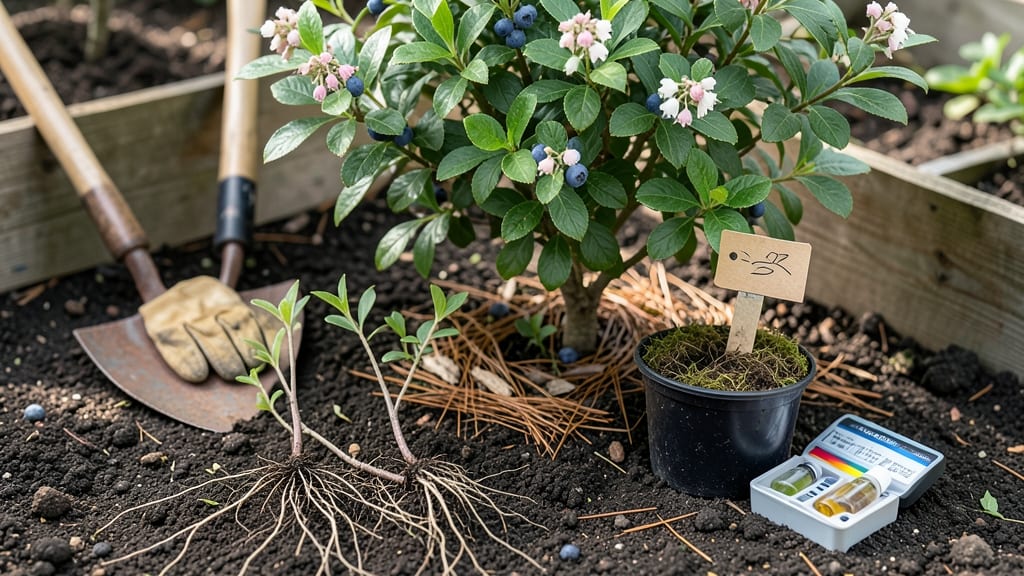
To plant blueberries in Zone 8 and guarantee a reliable harvest, timing is everything—get it wrong, and you might end up with sparse berries or no fruit at all.
The key lies in matching your 🫐 blueberry variety to your local chill hours, a factor often overlooked by gardeners in warmer climates like yours.
Most gardeners in Zone 8 assume spring planting is the only option, but fall—specifically October to November—is actually the superior window for establishing roots before winter.
This gives your bushes a head start when spring arrives, ensuring they’re ready to burst into growth as soon as the last frost passes around mid-March.
But here’s the catch: not all blueberries thrive equally in Zone 8. Some varieties need 900 chill hours to set fruit, while others only require 300-400.
I’ll break down which types work best in your microclimate—whether you’re in coastal California or inland Georgia—and how to adjust your planting schedule to account for unpredictable spring weather.
By the end, you’ll know exactly when to plant, which varieties to pick, and how to prep your soil for maximum success. Let’s turn those 🫐 blueberry dreams into a harvest you can actually enjoy.
Optimal planting windows for blueberries in Zone 8 by chill-hour needs
In Zone 8, the chill-hour requirement is your most critical factor for blueberry success. These 🫐 bushes need a specific number of hours below 45°F (7°C) to trigger flowering and fruiting. If you plant the wrong variety, you’ll end up with beautiful foliage but no berries.
For example, Southern Highbush varieties thrive with 300-500 chill hours, while Rabbiteye types need 600-900 hours.
Your local climate matters too. Coastal areas like San Diego often see 400-600 chill hours, while inland Atlanta can hit 800-1,000 hours. Always check your USDA Zone 8a or 8b specifics—this difference can mean the gap between a bountiful harvest and a disappointing yield.
Here’s the golden rule: Plant Southern Highbush varieties in fall (October-November) for maximum root establishment, while Rabbiteye types can handle early spring (February-March) if your winters are mild.
The key is getting your bushes established 6-8 weeks before your last frost date—typically around mid-March in most of Zone 8.
Let’s break down the best planting windows for each variety, including soil prep tips to ensure your blueberries thrive from day one.
| Variety Type | Chill-Hour Needs | Best Planting Window | Soil pH Requirement | Zone 8 Success Notes |
|---|---|---|---|---|
| Southern Highbush | 300-500 hours | Fall (Oct-Nov) or Early Spring (Feb) | 4.5-5.5 | Ideal for coastal Zone 8; low-maintenance |
| Half-High | 500-700 hours | Fall (Oct-Nov) preferred | 4.5-5.5 | Great for inland areas; compact size |
| Rabbiteye | 600-900 hours | Early Spring (Feb-Mar) | 4.8-5.5 | Best for high-chill areas; larger berries |
For Southern Highbush varieties like 'Emerald' or 'O’Neal', fall planting is your best bet. These bushes establish roots in cooler weather, then burst into growth as soon as spring arrives. Aim to plant 6-8 weeks before your last frost—usually by November 1st in most of Zone 8.
If you’re growing Rabbiteye types like 'Climax' or 'Powderblue', early spring planting works better. These varieties need more chill hours, so planting in February gives them time to flower and set fruit before summer heat arrives.
Just be ready to protect young plants from late frosts with row covers or mulch blankets.
Pro tip: If you’re unsure about your chill hours, use a home weather station or check with your local Cooperative Extension Service.
Many Zone 8 gardeners in California or Florida successfully grow Southern Highbush types with 400-500 chill hours, while those in Georgia or Tennessee often opt for Rabbiteye varieties with 700+ chill hours.
Once you’ve matched your variety to your climate, the next step is soil preparation. Blueberries are acid-loving plants, so your soil must have a pH between 4.5 and 5.5. If your soil is too alkaline, amend it with peat moss or sulfur before planting.
I’ll cover this in more detail in the next section, but for now, test your soil and adjust as needed—this step alone can make or break your harvest.
Remember, patience is
How to adjust planting timing for Zone 8’s unpredictable spring weather
Zone 8’s unpredictable spring weather can throw off even the best-laid blueberry planting plans. One day it’s 60°F (15°C), the next it drops to 32°F (0°C) with late frosts that can kill young shoots.
If you plant too early, your 🫐 bushes might struggle to establish roots before the heat arrives. Plant too late, and they won’t have enough time to flower and fruit before summer.
The solution? Flexible planting strategies that account for soil temperature, frost forecasts, and your specific microclimate. For example, in coastal areas like San Diego, springs can be mild, while inland Atlanta might see sudden cold snaps. I’ll show you how to adjust your timeline based on real-time conditions.
Here’s the critical rule: Always monitor soil temperature—not air temperature. Blueberry roots need soil to stay above 45°F (7°C) for consistent growth. Use a soil thermometer to check before planting.
If your soil is still below 50°F (10°C), wait a few more weeks. In most of Zone 8, this means avoiding planting before mid-February for spring plantings.
Zone 8’s last frost typically hits around March 15th, but late frosts can occur well into April. If you’re planting in early spring (February-March), protect your bushes with:
- Row covers for Rabbiteye varieties
- Mulch blankets to insulate roots
- Circular fans to circulate warm air on cold nights
Pro tip: Sign up for local frost alerts from your Cooperative Extension Service or use apps like FrostWatch.
If your spring is unusually warm, you might need to delay planting to avoid heat stress. Blueberries planted in April can still thrive if given consistent moisture and afternoon shade during extreme heat.
For Southern Highbush varieties, this means pushing back your fall planting to late November if early-season rains are scarce.
For backup planting dates, here’s my Zone 8 planting calendar:
- Southern Highbush: October 15–November 15 (fall) or February 15–March 15 (spring)
- Half-High: October 1–November 10 (fall only)
- Rabbiteye: February 1–March 10 (spring only)
Remember, mulching is your best friend in Zone 8. Apply a 3-inch layer of pine straw or wood chips around your bushes to:
- Regulate soil temperature (keeps roots cool in summer, warm in winter)
- Retain moisture during dry spells
- Suppress weeds that compete for nutrients
If you’re still unsure about timing, container growing is a great option. Potted blueberries give you flexibility to move plants indoors or under cover during unpredictable weather. Just ensure your containers have drainage holes and use a well-draining, acidic mix.
With these adjustments, you’ll beat Zone 8’s weather challenges and set your blueberries up for a successful first season—no matter what Mother Nature throws your way.