
Plants
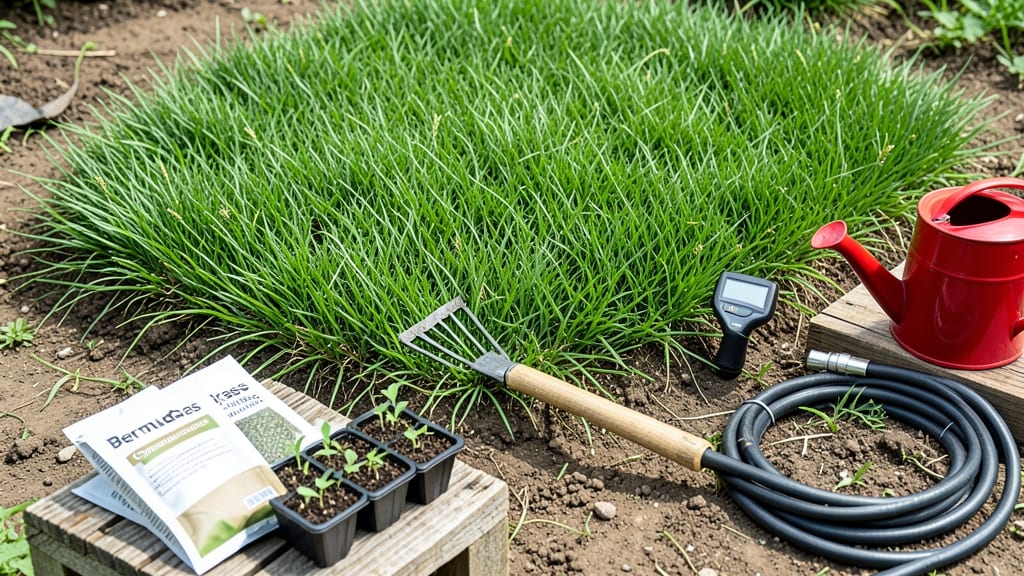
Planting Bermuda grass seed 🌱 in North Texas isn’t just about tossing seeds into the dirt—it’s about catching that narrow window when soil warmth meets cool air just right. Get it wrong, and you’ll either wait months for germination or watch your seedlings wither under summer’s brutal heat.
The key? Timing your planting for late spring when temperatures hover around 65°F, ensuring fast, even growth before the real heat sets in.
Most North Texas gardeners make one of two mistakes: planting too early when soil stays cold, or too late when drought and heat stress young grass. I’ve seen both scenarios firsthand—patchy lawns from slow starts or seed that never breaks dormancy.
The solution? Focus on soil temperature, not just calendar dates, and you’ll avoid these common pitfalls entirely.
What you’ll discover here is exactly when to plant in your specific part of North Texas—whether you’re in Dallas, Fort Worth, or Wichita Falls—and how to prep your soil for fast germination.
We’ll also cover how to adjust for urban heat islands and drought conditions, so your Bermuda grass takes off without wasted effort or money.
Ready to transform your lawn into a lush, drought-resistant carpet? Let’s break down the perfect planting window, step by step, so you can enjoy a thick, green yard by summer’s end.
Bermuda grass seed planting timeline in North Texas: exact dates by soil temperature
Bermuda grass thrives in North Texas' heat, but timing your planting is everything. The perfect window starts when soil temperatures hit 65°F (18°C)—cold soil below this stalls germination. In USDA Zone 8a, this typically lands between mid-April and early June, depending on your exact location.
Urban areas like Dallas and Fort Worth often warm up faster than rural spots, so check your microclimate. A soil thermometer is your best friend—rent one for $10 or buy one for $20 to avoid guesswork. Planting too early risks seeds rotting in damp, cold soil.
Here’s the breakdown by region—use these as your planting guides:
| Region | Soil Temp Threshold | Ideal Planting Window | Risk if Planted Early |
|---|---|---|---|
| Dallas/Fort Worth | 65°F+ (mid-April) | April 15–May 15 | Fungal rot from wet soil |
| Wichita Falls | 65°F+ (late April) | April 25–May 30 | Slow germination |
| Rural North Texas | 65°F+ (early May) | May 1–June 1 | Weed competition |
Pro tip: Mid-May is the sweet spot for most of North Texas—soil is warm, weeds are manageable, and you’ll see visible sprouts in 7–14 days with proper care. Use a seed starter fertilizer (like 16-4-8) to jumpstart growth.
If you’re in a hotter microclimate (like urban Dallas), aim for the earlier end of the window. Conversely, rural areas with cooler nights should wait until late May to avoid stressing young seedlings.
After planting, keep soil moist but not soggy—Bermuda grass seeds need consistent moisture to germinate. A light mulch (like straw) helps retain moisture without smothering sprouts.
Remember: June planting is still possible but riskier—summer heat can dry out seeds before they sprout. If you miss the spring window, consider sod instead for faster coverage.
For fall planting, wait until late August to early September—this gives seedlings time to establish before winter dormancy. But spring is always the gold standard for Bermuda grass in North Texas.
5 Critical factors that determine your Bermuda grass planting window
North Texas’ unpredictable spring weather can throw off even the best-laid planting plans. Beyond just checking the calendar, you need to assess these five critical factors to pinpoint your ideal window.
Skipping any of these steps often leads to slow germination or wasted seed—something I’ve seen too many times in my own yard.
First, soil temperature is your #1 guide. Bermuda grass seeds won’t germinate until the soil reaches 65°F (18°C) consistently. A soil thermometer (just $10 at any garden center) is your best friend here—stick it in the ground at 4-inch depth in the morning.
If it’s below 65°F, wait. This simple check saves hours of frustration.
Next, consider your local microclimate. Urban areas like Dallas’ downtown can be 10°F warmer than rural spots just 20 miles away. If you’re in a heat island, you might plant 2-3 weeks earlier than neighbors in the suburbs.
Check with your local AgriLife Extension office for hyper-local data—they track soil temps by county.
🔍 Critical Planting Factors Checklist
- 🌡️ Soil temp: 65°F+ at 4" depth for 5+ days
- 📍 Microclimate: Urban vs rural heat differences
- 💧 Rainfall: 1-1.5" weekly after planting
- 🌱 Weed pressure: Pre-emergent applied 2 weeks before
- ☀️ Sun exposure: Full sun (6+ hours daily)
Don’t overlook rainfall timing. Bermuda grass needs 1-1.5 inches of water weekly after planting, but too much rain can wash seeds away or cause rot. Check the 7-day forecast before planting—aim for a dry week followed by steady moisture.
I once planted during a predicted rainstorm and lost half my seed to erosion. Plan ahead!
Weed competition is another silent killer. Bermuda grass grows fast, but weeds like henbit or clover will smother it if given the chance. Apply a pre-emergent herbicide 2 weeks before planting to give your grass a head start.
Skip this step, and you’ll be pulling weeds for months instead of enjoying your lawn.
Finally, confirm your sun exposure. Bermuda grass craves full sun (6+ hours daily), but North Texas’ variable cloud cover can trick you. Use a sunlight tracker app (like Sun Surveyor) to map your yard’s light patterns.
If you’ve got shady spots, consider planting Tifway 419 Bermuda, which handles partial shade better than common varieties.