
Plants
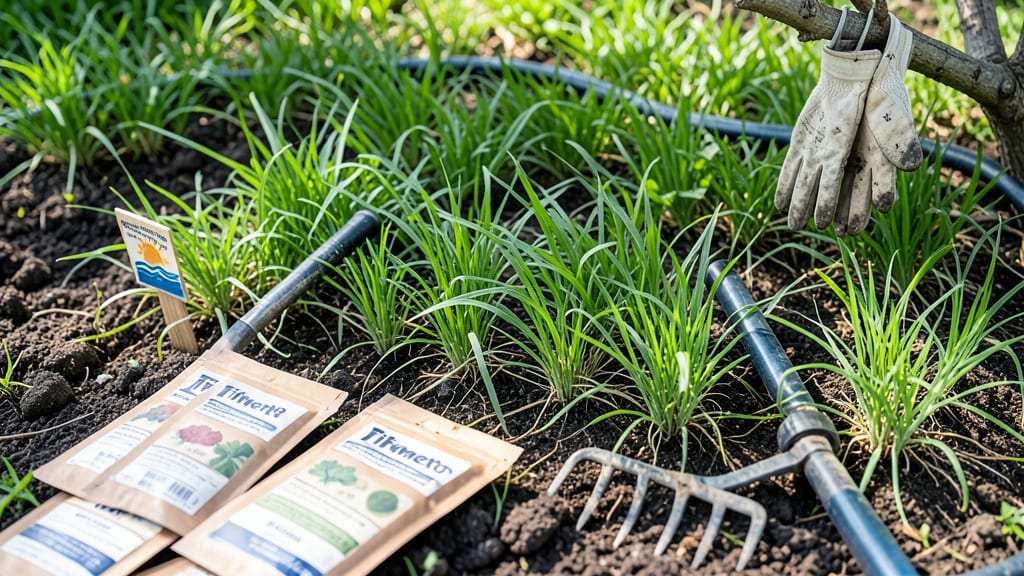
Planting grass seed in Texas isn’t just about grabbing a bag and scattering it—it’s about outsmarting the state’s brutal summer heat and unpredictable rains to get that fast, lush lawn you’ve been dreaming of. Whether you’re in North Texas battling early freezes or South Texas dodging year-round heat, timing is everything.
Most Texas gardeners swear by late summer or early fall as the best window for grass seed—when temperatures dip into the 60-75°F range and rainfall gives your new 🌱 grass the moisture it craves.
But here’s the catch: your region’s climate zone (6a-10a) can shift those ideal months by weeks, even months.
In this guide, I’ll break down exactly when to plant in North, Central, and South Texas—plus the critical factors (like soil prep and watering) that separate a fast-growing lawn from a patchy disappointment. No more guessing games.
Ready to turn your yard into the envy of the neighborhood? Let’s get started with the perfect planting schedule for your part of the Lone Star State.
Optimal Texas grass seed planting months by region (North, Central, south)
Texas’ diverse climate zones mean your grass seed timing depends on whether you’re in North Texas’ cooler hills, Central Texas’ transition zone, or South Texas’ tropical heat.
Planting at the wrong time can lead to slow germination or seed failure—but nailing the window ensures a thick, resilient lawn that thrives year-round.
Most Texas homeowners focus on warm-season grasses like Bermuda, Zoysia, and St. Augustine, which dominate the state’s landscapes. These varieties peak in summer but need cooler soil temperatures (60–75°F) to germinate successfully.
Meanwhile, cool-season grasses like tall fescue and ryegrass are better suited for North and Central Texas, where winters dip below freezing.
Here’s the region-specific breakdown you need to plan your seeding calendar:
| Region | Best Planting Months | Soil Temp for Germination | Top Grass Varieties | Key Considerations |
|---|---|---|---|---|
| North Texas (Dallas, Fort Worth, Amarillo) | September–October | 60–75°F | Tall fescue, Bermuda, Ryegrass | Avoid summer heat; frost risk in late fall. |
| Central Texas (Austin, San Antonio, Waco) | August–September | 65–78°F | St. Augustine, Zoysia, Bermuda | Transition zone—balance heat tolerance with germination temps. |
| South Texas (Houston, Corpus Christi, Brownsville) | Year-round (best: September–March) | 70–85°F | St. Augustine, Bermuda, Buffalo Grass | Drought and heat stress are major risks—water deeply. |
| All Regions (Overseeding) | Late winter (February) | 50–65°F | Ryegrass (cool-season) | Temporary cover for winter; thins in spring. |
For North Texas, the September–October window is critical because it avoids the scorching summer heat and early frost risks. If you plant in August, the soil may still be too hot, leading to poor germination or seed desiccation.
Meanwhile, Central Texas can push seeding slightly earlier (late August) thanks to its longer growing season.
South Texas stands out because it offers year-round planting, but the best results still come from fall and winter. The humidity and heat in summer can stress young seedlings, making September–March the sweet spot. If you’re in Houston or Corpus Christi, consider shade-tolerant varieties like St. Augustine to combat intense afternoon sun.
Pro tip: Use a soil thermometer ($10–$15 at garden centers) to confirm your soil temperature before planting. If it’s above 80°F, wait—seedlings will dry out before roots establish. Aim for 60–75°F for optimal germination across all regions.
🌱
5 Critical factors that determine your grass seed planting timeline in Texas
Texas’ grass seed germination success hinges on more than just picking a month—it’s about understanding microclimates, soil temperatures, and grass type compatibility. In North Texas, where winters dip below freezing, cool-season grasses like tall fescue thrive in September-October when soil temps hit 60-75°F.
Meanwhile, South Texas’s year-round growing season lets Bermuda grass sprout anytime, but fall planting still wins for drought resilience.
Your local rainfall patterns are another game-changer. Central Texas’s erratic summer storms can drown new seedlings, while North Texas’s dry springs demand irrigated seeding. I’ve seen St. Augustine grass fail in August because of heat stress, even though it’s technically a "good" month.
Always check your USDA hardiness zone—Zone 8a (like Austin) needs earlier planting than Zone 9a (Houston).
Soil temperature is the silent killer of grass seeds. Use a soil thermometer to confirm 60°F+ for warm-season grasses (Bermuda, Zoysia) or 50-65°F for cool-season (ryegrass, fescue). I once planted Bermuda grass in May in Dallas—soil was 85°F, and 90% of seeds baked before sprouting. Rule of thumb: Wait until afternoon highs stay below 90°F.
Don’t overlook microclimates—your backyard’s shade patterns or urban heat islands can shift your ideal window by weeks. For example, a north-facing lawn in San Antonio might handle June seeding, while a south-facing yard in Lubbock needs to wait until October.
Always scout your site for 2-3 days before planting to spot hot spots or dry pockets.
Pro tip: Overseeding in November gives cool-season grasses a head start before winter dormancy. I’ve seen tall fescue in Denton thicken 30% faster when planted in late fall versus spring. The key is soil prep—aerate, test pH (aim for