
Companion Plants
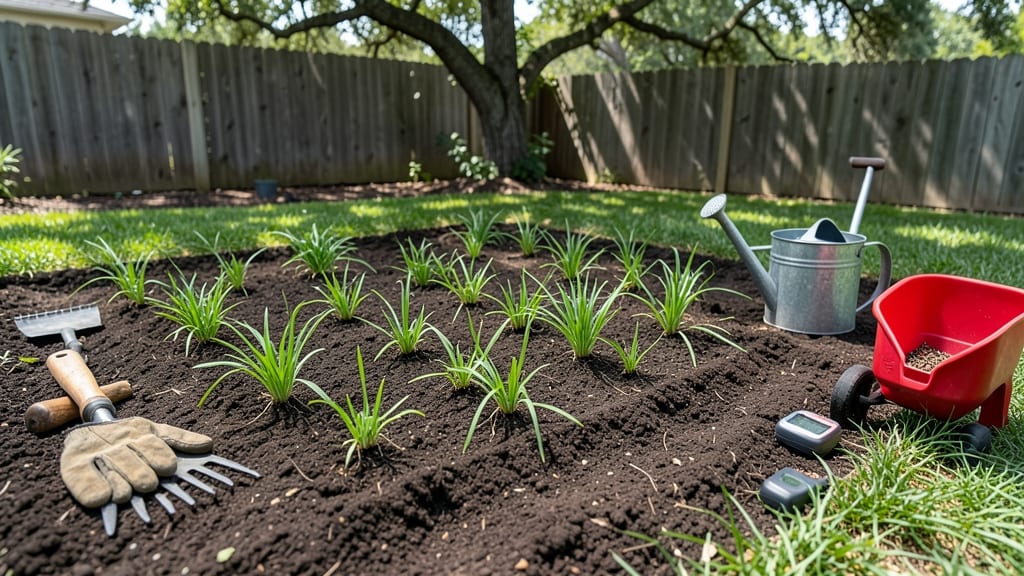
Planting Bermuda grass at the wrong time in North Georgia's Heat Zone 8A can turn your summer lawn dreams into a slow, struggling mess—but get the timing right, and you'll have a lush, drought-resistant carpet by June.
The key isn't just waiting for spring; it's about understanding when the soil warms enough for those seeds to explode with growth.
Most gardeners in North Georgia make one of two mistakes: planting too early when the ground is still cool, or waiting too long and letting summer heat stress the young grass.
I've seen both scenarios firsthand, and the difference in root strength is night and day. The ideal window opens after your last frost—typically by mid-April—but soil temperature is the real game-changer.
Here's what I'll show you: exactly when to plant (seeds vs. sod), how to test soil warmth without fancy tools, and the fast-track prep work that ensures your Bermuda grass takes off in 30 days or less. No more guessing—just science-backed deadlines for your zone.
Ready to transform your lawn from patchy to picture-perfect? Let's dive into the exact dates, soil secrets, and watering schedules that'll make your neighbors ask, "How'd you get it so green so fast?"
North Georgia Bermuda grass planting deadlines by month (zone 8A guide)
Timing your Bermuda grass planting in North Georgia’s Heat Zone 8A is everything—miss the window, and you’ll battle weak roots, patchy growth, or even total failure. The key is planting after the last frost (typically mid-April) but before summer’s brutal heat sets in (aim for early June).
This gives your grass 6-8 weeks of ideal conditions to establish before dormancy.
For seeds, the best window is late April to early May when soil temps hit 65°F+. Sod, however, thrives when planted May to early June—its established roots handle the heat better.
Both methods need consistent moisture to survive Georgia’s 90°F+ summers, so don’t wait too late!
🌱 Did You Know? Bermuda grass is a warm-season grass, meaning it goes dormant in winter. Planting too early (before 50°F soil temps) risks frost damage, while planting too late (after mid-June) stresses new roots during peak heat.
| Month | Seeds (Ideal Window) | Sod (Ideal Window) | Soil Temp Requirement | Notes |
|---|---|---|---|---|
| April | ❌ Avoid (risk of frost) | ❌ Avoid (roots need warmth) | Below 50°F | Wait until after last frost (mid-April) |
| May | ✅ Best for seeds | ✅ Good for sod | 65°F+ (seeds), 60°F+ (sod) | Ideal moisture window—water daily |
| June | ⚠️ Late seeds (risk of heat stress) | ✅ Best for sod | 70°F+ | Prioritize deep watering (1-1.5") |
| July-August | ❌ Too late (dormancy risk) | ❌ Too late (establishment fails) | 80°F+ | Wait for fall overseeding (not typical) |
⏰ Pro Tip: Use a soil thermometer to confirm temps before planting—65°F+ is non-negotiable for seeds!
If you’re planting seeds, aim for late April to early May—this gives your grass 6-8 weeks to germinate before summer’s heat peaks. For sod, May to early June is ideal because the established roots can handle the transition to 90°F+ days better than seeds.
Both methods require daily watering for the first 2-3 weeks to keep soil moist but not soggy.
Missed the spring window? Don’t panic—Bermuda grass can also be planted in late summer (August), but this is riskier due to fall dormancy. If you choose this route, use shade cloth to protect new growth from late-season heat waves and water twice daily until roots establish.
One common mistake in North Georgia is planting too early (March-April) when soil temps are still below 50°F. This causes seeds to rot or sod to yellow from cold stress.
Always check the USDA Plant Hardiness Zone Map—Zone 8A means your last frost is typically March 15, so wait 2-3 weeks after before planting.
For fastest establishment, combine your planting with a high-phosphorus fertilizer (look for 10-20-10 NPK) to boost root growth. Apply it 1-2 weeks before planting and water it in deeply.
This gives your Bermuda grass a 30% faster root system compared to unfertilized soil, according to University of Georgia Extension studies.
💡 Key Takeaway: The May-June window is your golden period for Bermuda grass in North Georgia. Plant seeds in late April-early May or sod in May-June, and you’ll have a thick, drought-resistant lawn by summer’s end. Skip the timing, and you’ll spend next year patching bare spots!
Need extra assurance? Test your soil’s moisture and temperature with a soil thermometer (available at garden centers for $10). Bury it 4 inches deep in full sun—if it reads below 65°F, wait 1-2 weeks. This simple step saves hours of frustration
How soil temperature affects Bermuda grass germination in georgia
Bermuda grass thrives in North Georgia’s heat, but planting too early when soil temperatures are still cool can stall germination and weaken root development.
Unlike cool-season grasses, Bermuda grass seeds need consistent warmth—at least 50°F (10°C)—to begin sprouting, but they won’t establish strong roots until soil hits 60°F (15°C) or higher. This timing difference is why many gardeners struggle with patchy lawns.
In Zone 8A, soil temperatures fluctuate dramatically between spring and summer. Early April might feel warm above ground, but the soil could still be 45°F (7°C)—far too cold for Bermuda grass seeds.
Waiting until late April or early May ensures your seeds get the warmth they crave for faster, more reliable germination.
🌱Pro Tip: Use a soil thermometer (available for under $10) to check depth at 2-4 inches—the zone where seeds will germinate. If the reading is below 60°F (15°C), hold off on planting. Patience here prevents wasted seed and weak starter plants.
Cold Soil Warning
Planting Bermuda grass seeds in soil below 50°F (10°C) risks rot and mold. Sod can tolerate slightly cooler temps (60°F+ needed), but roots won’t anchor properly until 70°F+ (21°C).
For sod installation, the stakes are even higher. Sod needs active root growth to take hold, which requires soil temperatures above 65°F (18°C). In North Georgia, this typically means waiting until mid-to-late May for most regions.
Planting sod too early can lead to yellowing edges and poor integration with existing soil.
Another critical factor is nighttime temperatures. Bermuda grass struggles when nights dip below 55°F (13°C) for extended periods. Even if daytime temps are ideal, cool evenings can slow root development by up to 50%. Monitor your local low-temperature forecasts to avoid this common pitfall.
💧Watering Hack: If you’re eager to plant but soil temps are still borderline, use black plastic mulch to warm the soil by 5-10°F. Lay it down for 1-2 weeks before planting to create a microclimate that speeds up germination. Just remove it once seeds sprout to avoid overheating.
Finally, remember that Bermuda grass is a warm-season grass, meaning it goes dormant in winter. Planting too late in the season (after mid-July) gives it insufficient time to establish deep roots before dormancy kicks in.
Aim for a 6-8 week growing window before the first frost to ensure your lawn has time to thicken and strengthen.