
Plants
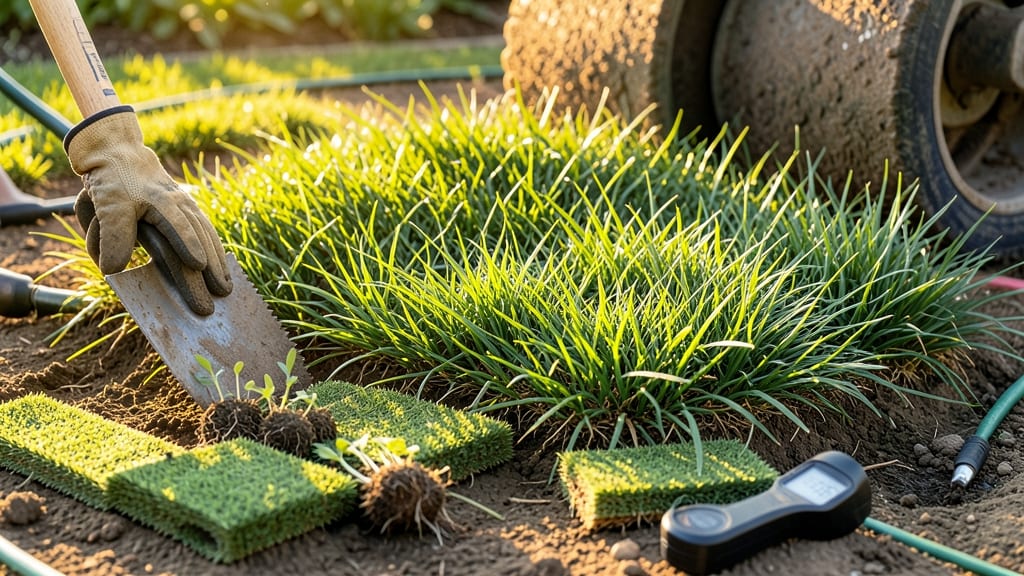
Planting Bermuda grass 🌱 in Texas at the wrong time can turn your lush lawn dreams into a patchy, weed-infested nightmare—especially when scorching summer heat arrives too soon.
The best window isn’t just about months; it’s about soil temperatures, heat zones, and avoiding the brutal 100°F+ days that fry new seedlings before they take root.
Most Texans assume late spring is the only option, but late summer planting actually gives Bermuda grass a fighting chance in the 8a-10b zones.
I’ll break down the exact deadlines by region—because planting in March in the Rio Grande Valley is a recipe for failure, while August works like a charm. Miss these windows, and you’ll spend the next year battling slow growth and invasive weeds.
What you’ll discover here is how to time your planting for maximum success, whether you’re seeding, sprigging, or laying sod. We’ll cover soil prep tricks to beat Texas’s clay-heavy dirt, watering schedules that prevent drought stress, and the one critical mistake even experienced gardeners make when establishing warm-season turf.
Ready to grow a thick, drought-resistant lawn that survives Texas summers? Let’s get started with the science-backed timing that’ll have your grass thriving—not just surviving.
Texas heat zones and Bermuda grass planting deadlines by month
Texas stretches across 11 heat zones (A through I), each with its own ideal planting window for Bermuda grass. The key? Planting when soil temperatures hit 65°F (18°C)—too early, and seedlings struggle; too late, and summer heat stresses them. Let’s break down the month-by-month deadlines for your region.
In North Texas (Zones A-C), aim for early spring (March-April) to escape summer’s intensity. Meanwhile, South Texas (Zones H-I) thrives with late summer (August-September) plantings. Soil thermometers are your best friend—wait until readings stay above 65°F for 3+ days before planting.
Here’s the critical timeline by zone, including soil temp thresholds and best varieties for each area:
Missed the window? Don’t panic. Sprigging (planting plugs) extends your deadline by 2–3 weeks, as plugs establish faster than seeds. But if you plant after June 1 in North Texas or October 1 in South Texas, expect slower growth and higher maintenance.
Texas’ bipolar climate—freezing winters and 100°F summers—means Bermuda grass has two peak growing seasons: spring and fall. Planting outside these windows forces your lawn to play catch-up, leaving gaps for weeds.
For example, East Texas (Zone G) sees faster germination in spring due to moderate humidity, while West Texas (Zone F) benefits from late summer’s drier air, reducing fungal risks.
Regional last frost dates also matter. In Panhandle (Zone A), frost can linger until March 15, so wait until April 1 to plant. Meanwhile, Houston (Zone H) rarely sees frost, but hurricane season (June-November) can delay spring plantings. Always check your local AgriLife Extension for updates.
One common mistake? Planting seeds in summer—they’ll bake in the sun. Instead, opt for sod or sprigs, which establish roots faster. For seed plantings, cover seeds with 1/4-inch soil and keep them moist but not soggy until germination (7–14 days).
For drought-prone areas (Zones F-I), choose dwarf varieties like Tifdwarf, which need 30% less water than standard Bermuda. Pair this with deep watering (1–1.5 inches per week) to encourage deep root growth—critical for Texas’ 100°F+ summers.
Remember: Bermuda grass is aggressive once established, but it needs the right start. Soil prep is non-negotiable—test your soil’s pH (6.0–7.0 ideal) and amend with compost or lime if needed. A pre-emergent herbicide applied 2 weeks before planting also blocks weeds.
🌱
Texas heat zones and Bermuda grass planting deadlines by month
Texas stretches across 11 heat zones (A through I), each with its own ideal planting window for Bermuda grass. In North Texas (Zones 8a-8b), like Dallas or Fort Worth, aim for late March to early April—after the last frost but before summer’s scorching heat.
Meanwhile, South Texas (Zones 9a-10b), including Houston and the Rio Grande Valley, can start as late as mid-August to early September to avoid extreme summer conditions.
Soil temperature is the real deadline: Bermuda grass needs consistent temps above 65°F (18°C) to germinate. Use a soil thermometer to confirm—if it’s cooler, wait. Zone 8a (Panhandle) may need to delay until mid-April, while Zone 10b (Brownsville) can plant in late July or early August without stressing the grass.
Here’s how Texas’ heat zones break down for planting:
| Heat Zone | Ideal Planting Window | Soil Temp Threshold | Key Consideration |
|---|---|---|---|
| 8a (Panhandle) | Late March–Early April | 65°F+ (18°C+) | Avoid late frosts; wait for stable warmth. |
| 8b (North/Central) | Mid-March–Mid-April | 65°F+ (18°C+) | Dallas/Fort Worth: Balance frost risk and heat. |
| 9a (East/Central) | Early March–Late April | 65°F+ (18°C+) | Austin/San Antonio: Longer spring window. |
| 10a (South) | Late July–Early August | 70°F+ (21°C+) | Houston: Beat summer’s peak heat. |
| 10b (Deep South) | Mid-August–Early September | 70°F+ (21°C+) | Brownsville: Late start avoids extreme heat. |
Missed the spring window? Late summer (August–September) is your second chance—just ensure consistent moisture as temperatures soar. In Zone 9a+, this is often the preferred time, as cooler fall air helps roots establish before winter dormancy.
Pro tip: Test soil moisture before planting. Stick a screwdriver into the ground—if it resists after 6 inches, your soil is too dry. Bermuda grass hates drought stress, so water deeply 2–3 times weekly until roots reach 4 inches deep.
Mulch with straw or compost to retain moisture and regulate soil temps.
Remember, Bermuda grass is aggressive—it’ll fill in quickly once established. But timing is everything: Plant too early, and frost or weeds steal the show. Plant too late, and your grass wilts under summer’s intensity. Nail the window, and you’ll have lush, drought-proof turf in 30–45 days. 🌱