
Companion Plants
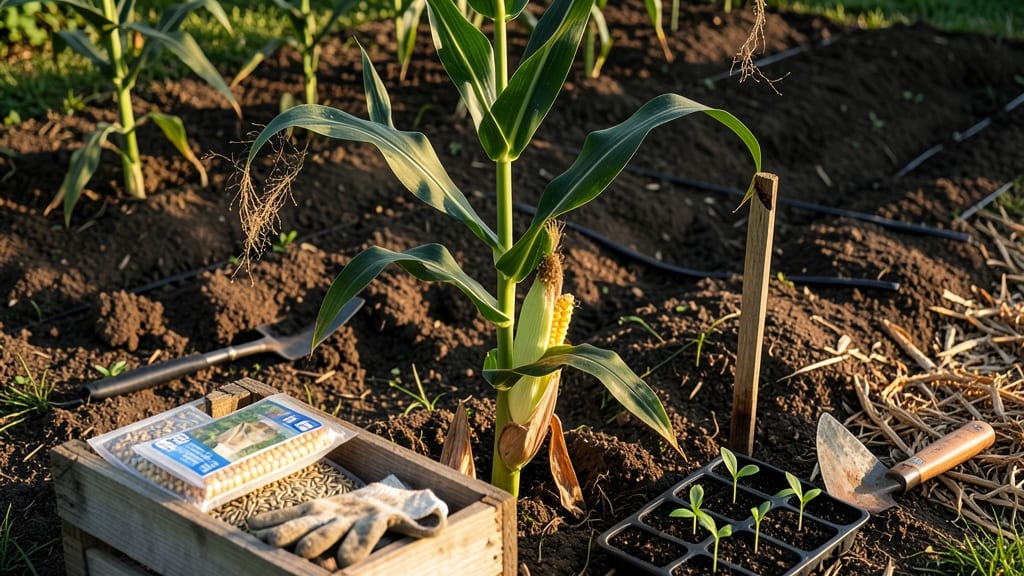
Planting corn in East Texas at the wrong time means watching your crop struggle—or worse, fail—under the scorching summer sun or late frosts. The key to fast germination and healthy 🌽 growth lies in understanding soil temperature triggers and regional planting windows.
Most gardeners here wait until mid-April to early May, but timing isn’t just about dates—it’s about soil warmth. Corn thrives when temperatures hit 60°F or higher, and East Texas’s USDA Zone 8a climate adds another layer to the equation.
Too early, and frost can still linger; too late, and the heat might stunt your plants before they even sprout.
In this guide, I’ll break down the science behind soil temperature triggers and share proven strategies to adjust your planting schedule for East Texas’s unique heat. Whether you’re a seasoned gardener or just starting, these tips will help you avoid common mistakes and maximize your harvest.
Ready to grow corn that’s fast, strong, and ready to harvest by late July? Let’s dive into the exact steps to time your planting perfectly for your East Texas garden.
Best planting dates for corn in East Texas by soil temperature
Timing your corn planting in East Texas isn't just about avoiding frost—it's about hitting the 50°F–60°F soil temperature sweet spot for germination. The USDA Zone 8a climate means you've got a short window, but with the right approach, you can maximize yields.
Most gardeners in this region target mid-April to early May for peak success, but let's break down the science behind those dates.
Corn seeds need consistent warmth to sprout reliably. Below 50°F, germination slows dramatically, and below 40°F, seeds may rot. Meanwhile, planting too late risks heat stress during pollination, leading to poor ear development.
The key is waiting for stable soil temps above 60°F—a trigger you can track with simple tools.
Here's where East Texas microclimates come into play. Areas near wooded regions or low-lying spots may stay cooler longer, while southern exposures or urban heat islands can warm up faster. Adjust your planting by 1–2 weeks based on your specific location's history.
For example, Tyler gardeners might plant April 10–20, while Beaumont growers can push to April 20–May 5.
🌱
| Planting Window | Soil Temp Trigger | USDA Zone 8a Adjustments | Risk Factors |
|---|---|---|---|
| Early April | 50°F–55°F | Low-lying areas only; use black plastic mulch | Frost damage, slow germination |
| Mid-April | 55°F–60°F | Ideal for most of East Texas | Late frost pockets in north TX |
| Early May | 60°F+ | Best for southern East TX; late varieties | Heat stress during pollination |
| Late May | 65°F+ | Emergency planting only; short-season varieties | Poor ear development, drought risk |
For maximum yield, aim to plant when daytime highs consistently reach 75°F+, as this ensures optimal pollination.
In East Texas, this typically aligns with late April to early May, but don't wait too long—corn planted after May 15 often struggles with summer heat and may not mature before the first frost in November.
If you're growing multiple corn varieties, stagger your planting by 1–2 weeks to extend your harvest window. For example, plant early-season varieties (like 'Silver Queen') in mid-April and late-season types (like 'Pioneer 39T23') in early May. This strategy lets you enjoy fresh ears from July through October.
Don't overlook the moon planting cycles either—while not scientifically proven, many East Texas gardeners swear by planting corn during the waxing moon for stronger stalks. Check a lunar planting calendar for your specific dates in April.
🌿
One common mistake is relying solely on air temperature rather than soil temperature. A 70°F April day might feel warm, but if the soil is still 55°F, your seeds will sit and rot.
That's why investing in a $15 soil thermometer is one of the best garden investments you can make for corn growing.
For organic gardeners, consider using compost blankets or black plastic mulch to warm the soil faster. These methods can shave 1–2 weeks off your planting timeline by raising soil temps by 5–10°F. Just be sure to remove the mulch when plants reach 6 inches tall to prevent overheating.
Finally, keep an eye on your local weather forecast for 10-day outlooks. If a cold front is predicted after you plant, delay by a week to avoid frost damage to young seedlings. The National Weather Service and Texas A&M AgriLife Extension both offer reliable regional forecasts.
☀️
Best planting dates for corn in East Texas by soil temperature
In East Texas' USDA Zone 8a, corn thrives when planted after the last frost date (March 15) and when soil temperatures hit 50°F–60°F. This window typically falls between mid-April and early May, but your exact timing depends on your microclimate and corn variety.
Early-season varieties need cooler soil, while heat-tolerant types can handle warmer starts.
For fast germination, aim for 60°F+ soil temperatures. Use a soil thermometer to confirm—cold soil delays sprouting, while consistent warmth ensures uniform growth. In East Texas, late April is often the sweet spot for most varieties, balancing frost risk and summer heat.
| Planting Window | Soil Temp Requirement | Ideal Varieties | Notes |
|---|---|---|---|
| Early April | 50°F–55°F | Early sweet corn (e.g., 'Ambrosia') | High frost risk; use black plastic mulch |
| Mid-April | 55°F–60°F | Mid-season (e.g., 'Peaches and Cream') | Best balance for East Texas |
| Late April–Early May | 60°F+ | Heat-tolerant (e.g., 'Pioneer 39T23') | Avoids summer heat stress |
If you're in southern East Texas (warmer microclimates), you can push planting to early May for late-season varieties like 'Silver Queen'. However, avoid planting after May 15—corn needs 90–120 days to mature, and summer heat will stunt growth if planted too late.
For succession planting, stagger seeds every 2 weeks until June 1 to extend your harvest. Just ensure each planting has consistent soil warmth—corn won’t germinate in cool soil, no matter how late you plant.
Pro tip: Check the Texas A&M AgriLife Extension for your local frost-free date. In East Texas, this can vary by 1–2 weeks depending on elevation and proximity to water bodies like Caddo Lake or the Neches River.
Remember, soil temperature > air temperature. Even if daytime air hits 70°F, soil may still be 55°F—always check before planting. A soil thermometer is your best friend for nailing the perfect timing.