
Companion Plants
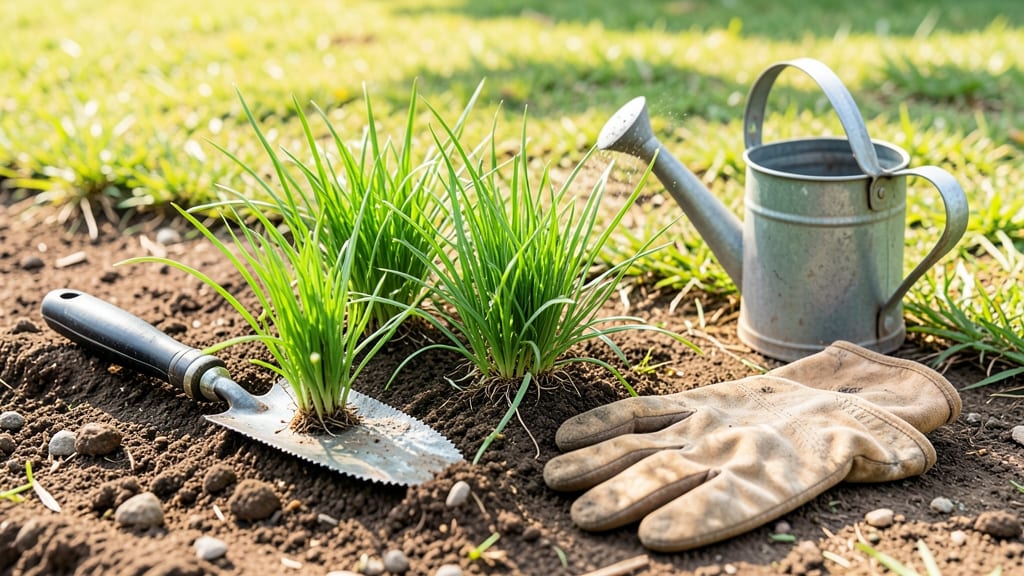
Planting Bermuda grass at the wrong time in Florida can mean weak roots, slow spread, and wasted effort—so timing is everything for lush, drought-resistant turf. The key isn’t just the calendar month but the soil temperature, which needs to hit 65°F consistently before you even consider planting.
If you wait too long, you’ll miss the fast establishment window when your lawn needs it most.
For most of Florida—from the 8a-11 zones—spring is the prime time to plant Bermuda grass, ideally between March and May. This aligns with warming soil and longer daylight hours, giving your grass a head start before summer’s heat sets in.
But don’t overlook fall either, as late summer or early September plantings can also yield strong results, especially in Central and South Florida where winters are milder.
Preparing your yard is just as critical as timing. Bermuda grass thrives in full sun and well-drained soil, so clear weeds, aerate compacted areas, and test your soil’s pH—aiming for 6.0-7.0 ensures optimal growth.
Skipping these steps might leave you with patchy coverage or a lawn that struggles to spread quickly, no matter when you plant.
Once you’ve nailed the timing and prep, the real magic happens in the first few weeks. With the right soil warmth and care, your Bermuda grass can establish roots rapidly, turning a bare patch into a dense, green carpet in just 3-4 weeks.
Let’s break down how to make that happen—without the guesswork.
Florida’s Bermuda grass planting timeline: soil temperature rules for fast establishment
Bermuda grass thrives in Florida’s warm climate, but planting it at the wrong time can lead to slow establishment and poor spread. The key factor isn’t just the calendar month—it’s soil temperature.
For optimal root growth, aim for consistent soil temps above 65°F, which triggers vigorous germination and spread.
In Florida, this typically happens in two prime windows: spring (March–May) and early fall (August–September). Spring planting gives Bermuda grass a head start before summer’s intense heat, while fall planting avoids the harshest summer conditions and still allows roots to strengthen before cooler months.
Northern Florida (USDA Zones 8a–9a) has slightly cooler soil in spring, so April–May is ideal. Central and South Florida (Zones 9b–11) can plant as early as March, but avoid planting in June–July when soil temps often exceed 80°F, stressing young grass.
🌱
| Planting Window | Soil Temp | Best For | Why It Works |
|---|---|---|---|
| March–May (Spring) | 65–75°F | Northern FL | Warmer soil wakes dormant grass; avoids summer stress. |
| April–May (Spring) | 65–78°F | Central FL | Balances heat and rainfall for fast root growth. |
| August–September (Fall) | 70–80°F | All FL Regions | Cooler temps reduce heat stress; roots establish before winter. |
| Avoid June–July | 80°F+ | Anywhere | Extreme heat causes dormancy; weakens young plants. |
If you’re planting in South Florida (Zones 10–11), Bermuda grass grows year-round, but late summer (August–September) is still ideal. The monsoon season provides natural watering, while soil temps remain warm enough for germination without the risk of drought stress.
For North Florida homeowners, consider winter overseeding with ryegrass (November–January) to fill gaps, but Bermuda grass will naturally go dormant in winter and revive in spring. Planting too early (before March) risks frost damage, even in Florida’s mildest zones.
Use a soil thermometer to confirm temps before planting—this simple tool can save you from wasted effort. Bury it 4 inches deep in full sun for the most accurate reading, mimicking where Bermuda grass roots will grow.
Once planted at the right time, Bermuda grass can spread 6–12 inches per year under ideal conditions. Pair your planting window with proper soil prep (like aeration and fertilization) to maximize its drought-resistant potential and create that lush, green lawn Florida is famous for.
☀️
Florida’s Bermuda grass planting timeline: soil temperature rules for fast establishment
Timing your Bermuda grass planting in Florida isn’t just about seasons—it’s about soil warmth. This grass thrives when temperatures stay above 65°F consistently, triggering faster root growth and drought resistance.
Plant too early, and your grass may struggle; too late, and you miss the ideal spring or fall windows for establishment.
Florida’s USDA Zones 8a-11 mean no frost worries, but soil temperature is the real game-changer.
Use a soil thermometer to confirm 65°F+ before planting—this ensures your Bermuda grass spreads aggressively and outcompetes weeds. Spring planting (March–May) gives your lawn a head start before summer’s heat, while fall planting (August–September) avoids extreme summer stress.
| Season | Best Months | Soil Temp Requirement | Why It Works |
|---|---|---|---|
| Spring | March–May | 65°F+ | Warm soil + cooler air = strong root growth |
| Fall | August–September | 70°F+ | Avoids summer heat stress, establishes before winter |
| Avoid | June–July | 80°F+ | Extreme heat slows germination and weakens roots |
Northern Florida (Zones 8a–9a) has slightly cooler soils, so aim for April–May planting to align with warming trends. Meanwhile, Central and South Florida (Zones 9b–11) can plant as early as March or even late February in the southernmost regions.
Always check a 7-day soil temperature forecast to avoid planting during unexpected cool snaps.
Once you’ve nailed the timing, focus on preparation. Bermuda grass spreads via stolons and rhizomes, so clear existing weeds and loosen compacted soil to 4–6 inches deep. A pre-emergent herbicide applied 2 weeks before planting prevents weed competition during the critical first 30 days of growth.
After planting, water deeply (1 inch per week) to encourage root penetration. Avoid overwatering—Bermuda grass is drought-tolerant once established but needs consistent moisture to spread. Within 4–6 weeks, you’ll see stolons stretching across your lawn, signaling successful establishment.
Pro tip: If you’re overseeding an existing lawn, mow the current grass short (1 inch) and fertilize with a high-nitrogen blend (16-4-8) 2 weeks before planting. This jumpstarts your Bermuda grass for a thicker, greener lawn come summer.