
Plants
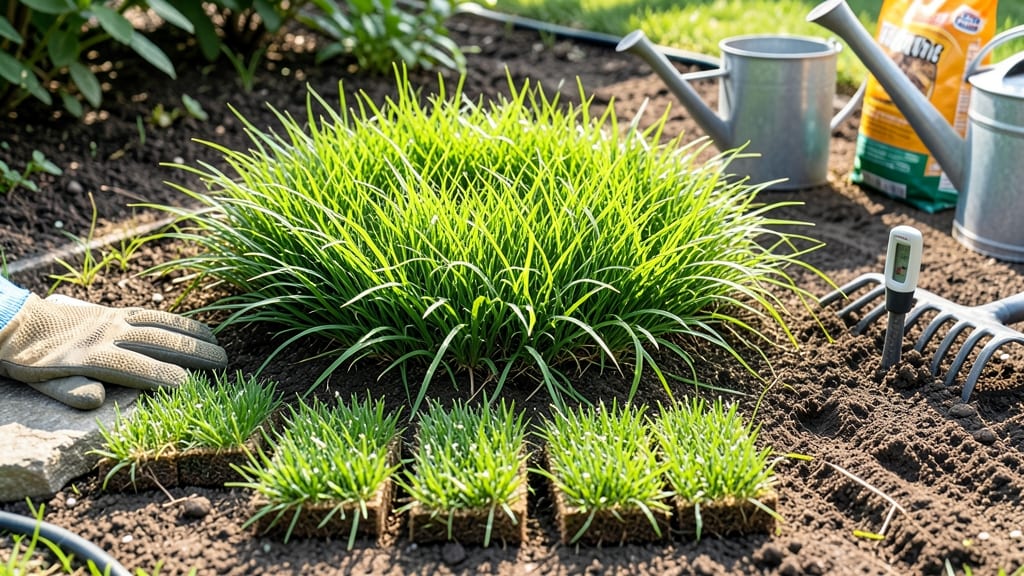
Planting Bermuda Grass 🌱 at the wrong time in Missouri can leave you with patchy lawns or wasted effort—but timing it right means a thick, drought-resistant yard by summer.
The key isn’t just avoiding frost; it’s waiting for soil temperatures to hit that sweet spot between 60°F and 65°F for seeds or 70°F+ for sod.
Missouri’s 5b-6b climate zones add another layer, with northern areas like St. Louis needing to wait longer than southern regions. I’ve seen firsthand how planting too early—even just a few weeks off—can trigger frost damage or slow germination, turning your hard work into a gamble.
In this guide, I’ll break down the exact frost-free windows for Missouri’s top regions, plus how to test soil temps like a pro (no fancy tools required).
You’ll also learn the 3 biggest mistakes Missouri gardeners make—and how to sidestep them for a lawn that stays green even through our brutal summers.
Whether you’re seeding or laying sod, these insights will help you skip the guesswork and get your Bermuda Grass off to a strong start. Let’s make sure your lawn thrives, not just survives.
Optimal soil temperature ranges for planting Bermuda grass in Missouri
Bermuda grass thrives when planted at the right soil temperature, which varies slightly between seeds and sod. In Missouri, the ideal window opens when your soil hits 60-65°F for seeds and 70°F+ for sod.
This ensures strong root development before summer heat arrives. Skipping this step often leads to slow germination or stunted growth.
Missouri’s climate zones (USDA 5b-6b) create regional differences. Northern areas like St. Louis may need to wait until mid-May, while southern zones near Springfield can start as early as late April. Always check your local last frost date—planting too soon risks frost damage.
To test soil temperature accurately, use a soil thermometer (available at garden centers for under $10). Insert it 4-6 inches deep in the morning for the most reliable reading.
If you don’t have one, dig a small hole, add water, and wait 5 minutes—if it feels warm to your hand, it’s likely in the right range.
Bermuda grass seeds need consistent warmth to germinate, typically taking 10-14 days in perfect conditions. Sod, however, establishes faster because the roots are already developed. Aim for 70°F+ soil for sod to minimize transplant shock and encourage rapid spread.
| Planting Method | Ideal Soil Temp | Germination Time | Missouri Timing |
|---|---|---|---|
| Seeds | 60-65°F | 10-14 days | Late April - Early May |
| Sod | 70°F+ | 7-10 days | Early May - Mid-May |
| Fall Planting | 65-70°F | 14-21 days | Early September |
Missouri’s clay-heavy soils can retain heat longer, so northern regions may hit 60°F earlier than expected. Use a soil thermometer to confirm rather than relying on air temperature. If your soil is too cold, cover the area with black plastic for 1-2 weeks to warm it up naturally.
For fall planting (early September), aim for 65-70°F soil to give seedlings time to establish before winter. This is less common but ideal for avoiding summer heat stress. Monitor your local first frost date—Bermuda grass won’t survive freezing, so plant at least 6 weeks before frost.
Pro tip: If you’re using hydrated seed (soaked overnight), plant it when soil temps are 5°F warmer than the minimum threshold. This jumpstarts germination and compensates for the extra moisture. Always water lightly after planting to keep seeds in contact with warm soil.
Remember, Bermuda grass is drought-tolerant once established, but it needs consistent moisture during the first 4-6 weeks after planting. Use a drip irrigation system or soaker hose to deliver water directly to the roots without washing away seeds.
🌱
Missouri’s frost-free window: when to plant by region (St. louis, Kansas City, Columbia)
Missouri’s diverse climate means your Bermuda grass planting window varies by region—St. Louis, Kansas City, and Columbia each have unique frost-free periods. Understanding these differences helps you avoid late spring frosts or missed fall opportunities.
Let’s break down the ideal planting windows for each area, so you can time your seed or sod perfectly for a thick, resilient lawn.
For St. Louis (USDA Zone 6a-6b), the average last frost date falls around April 15, but soil temperatures may not reach the critical 60-65°F range until late April or early May.
This means you should wait until mid-to-late May for seed planting or early April for sod, which establishes faster. In Kansas City (Zone 5b-6a), frost lingers longer—expect last frost dates around April 20-25, with soil warming to planting temps by late May.
Columbia (Zone 6a) sits in between, with last frosts around April 10-15 but soil temperatures often lagging until early May. Fall planting in all regions should occur by early September to allow roots to establish before the first frost in mid-October. These regional timelines ensure your Bermuda grass gets a strong start without frost damage.
🌱
| Region | Last Frost Date | Ideal Planting Window (Seed) | Ideal Planting Window (Sod) | Fall Planting Window |
|---|---|---|---|---|
| St. Louis | April 15 | Late May | Early April | Early September |
| Kansas City | April 20-25 | Late May | Early April | Early September |
| Columbia | April 10-15 | Early May | Late March | Early September |
Microclimates can shift these windows by 1-2 weeks. Urban areas like St. Louis often experience heat islands, where asphalt and buildings trap warmth—planting sod in early April may work if your yard stays frost-free.
Conversely, river valleys like those near Columbia can stay cooler, delaying soil warming by a week or more. Always check a local weather forecast for 5-day highs before planting to confirm soil temps.
For extra insurance, use a soil thermometer to verify temps at 6 inches deep—this is where Bermuda grass roots will establish. If your yard has shady spots or poor drainage, consider delaying planting by another week to avoid stress on young grass.
With these regional guidelines, you’ll maximize your chances of a thick, drought-resistant lawn by summer.
Pro tip: If you miss the spring window, don’t despair—fall planting in September gives Bermuda grass time to root before winter dormancy. Just ensure you’re at least 6 weeks before the first frost to allow for establishment.
☀️