
Companion Plants
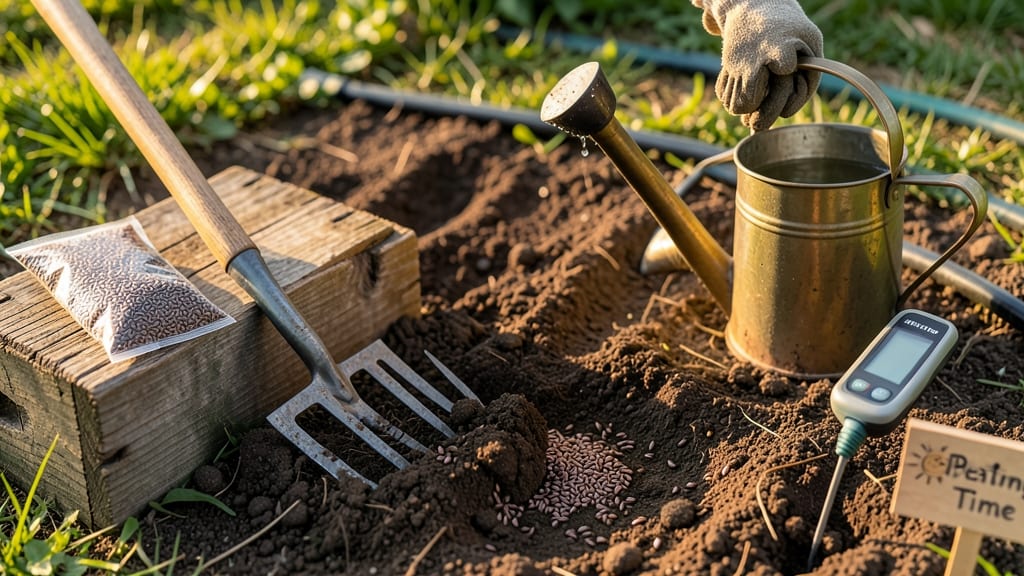
Planting Bermuda grass seed in Texas at the wrong time can leave your lawn struggling—too early and it burns out in summer heat, too late and it fails to establish roots before winter.
The key to a thick, resilient lawn lies in understanding when to plant for your specific Heat Zone, whether you're in North or South Texas.
With its aggressive root spread and drought resistance, Bermuda grass 🌱 thrives in Texas' intense climate—but only if you time it right. Most experts agree late spring through early summer (April to June) offers the perfect window when soil temperatures hit that sweet spot of 65°F+ for optimal germination.
In this guide, I'll break down exactly what you need to know about planting schedules, soil prep, and watering routines tailored for Texas' unique growing conditions.
Whether you're starting from seed or considering sod alternatives, these insights will help you avoid common pitfalls and get your lawn off to a fast, healthy start.
Let's dive into the best practices that will have your Bermuda grass spreading aggressively within weeks—not months. Your lawn's success starts with the right timing, and I've got you covered with all the details you need.
Optimal planting windows for Bermuda grass seed in Texas heat zones 9 & 10
Texas's extreme heat and long growing seasons make Bermuda grass a top choice for drought-resistant lawns, but planting timing is critical. The ideal window for seeding is between April and June, when soil temperatures consistently stay above 65°F (18°C).
This ensures strong root development before summer dormancy kicks in during peak heat.
In North Texas (Zone 8a), aim for late April to early May—after the last frost date (typically mid-February) but before 100°F+ heatwaves. South Texas (Zone 10b) has a longer window, from March to June, since frost is rare.
Planting too early risks seedling burn from sudden heat spikes, while late planting may leave grass vulnerable to winter dieback.
Here’s how regional variations impact your schedule:
| Region | Last Frost | Best Planting Window | Soil Temp Goal | Risk of Late Planting |
|---|---|---|---|---|
| North Texas (8a) | Mid-February | Late April–Early May | 65°F+ (18°C) | Winter kill |
| Central Texas (9a) | Mid-March | April–June | 65°F+ (18°C) | Heat stress |
| South Texas (10b) | January 1 (rare) | March–June | 70°F+ (21°C) | Minimal (year-round growth) |
For fastest establishment, seed in June when soil moisture is high and daytime temps are 85–95°F (29–35°C). This aligns with Bermuda’s natural growth cycle, promoting aggressive stolon spread (the horizontal stems that root and thicken your lawn).
However, avoid planting in July or August—intense heat can cause seed dormancy or fungal issues like brown patch disease.
Pro tip: Use a soil thermometer to monitor temperatures. Bermuda grass seeds germinate best when soil is 70–75°F (21–24°C) for 7–10 consecutive days. If your area hits 100°F+ before germination, consider late summer planting (August–September) for a second chance, but expect slower growth.
In Heat Zone 10 (South Texas), you can even plant in September for a fall lawn, though growth slows as temps drop. The key is consistent moisture—Bermuda grass won’t tolerate dry spells during establishment.
Use drip irrigation or soaker hoses to keep soil evenly moist without fungal risks from overhead watering.
If you miss the spring window, don’t despair—Bermuda grass spreads via stolons, so you can overseed bare spots in late summer (August) for patchy areas. Just ensure the soil is warm and weed-free first. For new lawns, though, spring is non-negotiable for thick, drought-proof coverage by summer.
For hybrid varieties like Tifway 419 or Tufgrass, which germinate faster, you can push the window slightly later (up to mid-June) in North Texas. These types also handle higher heat stress better, making them ideal for East Texas heat islands.
Remember: Bermuda grass enters summer dormancy when temps exceed 95°F (35°C) for weeks. Planting too late risks weak root systems that can’t recover before dormancy sets in. Aim for 6–8 weeks of growth before peak summer to ensure your lawn survives the heat.
How to prepare soil and seed for maximum root spread in Texas climates
Preparing your soil and seed properly is the secret to getting Bermuda grass roots established quickly in Texas’ extreme heat. Soil temperature and seed quality make all the difference between a sparse lawn and a lush, spreading carpet.
Start by testing your soil pH—Bermuda thrives in slightly acidic to neutral soil, ideally between 6.0 and 7.0.
If your soil is too alkaline, mix in sulfur or peat moss to lower the pH before planting. Loosen the top 4-6 inches of soil with a tiller or garden fork to improve drainage and aeration. Compacted soil can suffocate young roots, especially in clay-heavy Texas soils.
🌱 Step-by-Step Soil & Seed Prep for Bermuda Grass
- Test soil pH (aim for 6.0–7.0) and adjust with sulfur or lime if needed.
- Loosen soil to 4–6 inches deep for better root penetration.
- Remove debris like rocks, weeds, and old grass to prevent competition.
- Level the ground with a rake to ensure even seed distribution.
- Water deeply 24 hours before planting to hydrate the soil.
- Choose high-quality seed—hybrid varieties like Tifway 419 or Celebration germinate faster in heat.
- Apply starter fertilizer (high in phosphorus) to boost early root growth.
Watering is critical before and after planting. Deep irrigation 24 hours before seeding ensures the soil is moist but not soggy. After planting, keep the soil consistently moist—not waterlogged—until germination, which typically takes 7–14 days in Texas’ warm climate.
Use a light mulch like straw to retain moisture and protect seeds from drought stress or bird damage.
For maximum root spread, consider overseeding an existing Bermuda lawn in late spring when temperatures are 75–85°F. This method leverages the grass’s natural stolons to fill in bare spots faster.
If starting from scratch, plant seeds at a depth of ¼ inch and cover lightly with soil to avoid exposure to harsh sunlight.
Once seeds sprout, reduce watering slightly to encourage deeper root growth. Avoid heavy foot traffic for at least 4–6 weeks, as young roots are fragile. With the right prep, your Bermuda grass will establish a dense, drought-resistant network within 60–90 days—perfect for Texas’ brutal summers.
Pro tip: Mark your planting date on a calendar to track progress. Bermuda grass grows aggressively once established, but the first 30 days are make-or-break for root development. Stay consistent with care, and you’ll have a lawn that outpaces weeds and heat alike! 🌿