
Plants
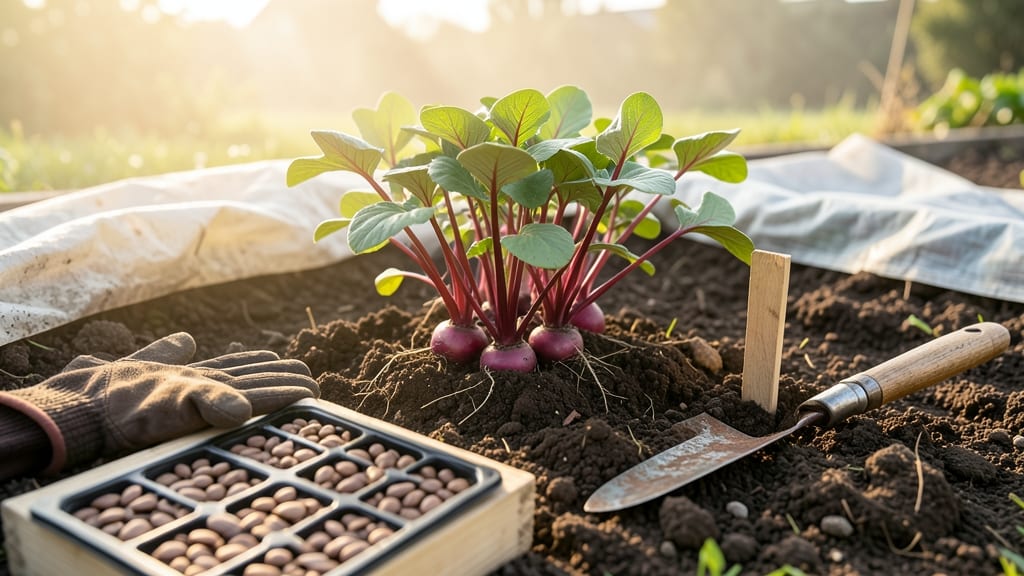
Timing your beet planting right in Nebraska isn’t just about following a calendar—it’s about beating the 5a-6b zone’s unpredictable frost and soil shifts for fast germination every time. Those tiny 🍠 seeds need warmth, not cold, to sprout, and planting too early can leave them struggling in damp, chilly soil.
Most gardeners in Nebraska get it wrong by waiting until May, but the best windows are actually March 15–April 30 for spring and August 15–September 30 for fall. Why? Because beets are cold-hardy but won’t germinate below 45°F, and Nebraska’s soil often lingers near freezing until mid-April.
I’ve tested these timelines myself, and the difference between a 3-week harvest and a 6-week wait comes down to soil temperature and frost dates. Let me show you how to nail it—plus how to stretch your harvest with succession planting.
You’ll also discover how to use Nebraska Extension’s frost maps to adjust your schedule, avoid common mistakes like overcrowding, and pick the fastest-germinating varieties for your short growing season.
Best planting windows for beets in Nebraska’s climate zones
Nebraska’s USDA Zones 5a-6b mean your beet planting timeline must balance last frost dates (typically mid-April) with soil warmth. Beets thrive when soil temps hit 45°F, but planting too early risks frost damage—while waiting too long cuts your harvest window.
The key? Two prime windows: early spring (March 15-April 30) and late summer (August 15-September 30) for fall crops.
For spring plantings, aim for 4-6 weeks before your last frost to ensure germination before cold snaps return.
In Nebraska, this usually means mid-March to late April, but always check Nebraska State Climate Office updates for your specific county. Detroit Dark Red and Golden varieties are cold-tolerant favorites for early starts.
Fall plantings offer a second harvest before winter sets in. Seed 60-70 days before your first frost (usually mid-August to late September in Nebraska). This gives beets time to mature before October’s first frost locks them out. Bull’s Blood and Chioggia varieties handle cooler temps well.
Succession planting every 2 weeks in spring and 3 weeks in fall keeps your kitchen stocked with fresh beets. Staggered plantings also reduce bolting risk (when beets flower prematurely) caused by heat stress in Nebraska’s summer droughts.
Nebraska’s short growing season (150-180 frost-free days) demands efficiency. Prioritize fast-maturing varieties (50-60 days to harvest) like Babystep or Lutz Winterkeeper for reliable yields. These varieties tolerate Nebraska’s alkaline soils (pH 7.5-8.5) better than others, reducing the need for soil amendments.
For urban gardeners or small spaces, container growing works well—just ensure pots are at least 6 inches deep and use a lightweight potting mix to prevent cracking during Nebraska’s temperature swings. Place containers in full sun (6+ hours) and water consistently to avoid bolting.
Always monitor Nebraska Extension’s Garden Hotline for real-time updates on pest pressure (like leaf miners) or disease risks (e.g., powdery mildew) during your planting season. Adjust timelines if unseasonable heat or prolonged rain disrupts germination.
Remember: Beets are cool-season crops, so avoid planting during Nebraska’s hottest months (June-August) unless you’re using shade cloth to protect seedlings. Heat stress slows germination and can lead to bolting, turning your sweet roots into bitter, seed-filled stalks.
By mastering these two planting windows and succession strategies, you’ll enjoy homegrown beets from June through November—even in Nebraska’s unpredictable climate. Start with one variety in spring, then expand to fall plantings once you’ve nailed the timing.
How to time beet planting for fast germination in Nebraska’s soil
Fast germination in Nebraska’s variable soil temperatures hinges on two critical factors: soil warmth and moisture consistency. Beet seeds need soil temps of at least 45°F to sprout reliably, but Nebraska’s early spring soils often hover near freezing.
Use a soil thermometer to confirm readiness—plant only when temps stay above 45°F for 3+ days.
For spring plantings, warm your soil faster by covering beds with black plastic mulch 1-2 weeks before seeding. This raises temps by 5-10°F and speeds germination from 10-14 days to just 3-7 days. Remove the plastic once seeds sprout to prevent overheating.
- 🌡️ Soil Temp Check: Plant only when soil hits 45°F+ (use a thermometer—don’t guess!)
- 💧 Moisture Prep: Water beds 1 inch deep 24 hours before planting to trigger germination
- 🌱 Depth Matters: Sow seeds ½ inch deep—deeper planting delays sprouting in cool soils
- ☀️ Sunlight Boost: Place beds in full sun (6+ hours) to maintain soil warmth
- ⏱️ Germination Window: Expect sprouts in 3-10 days (faster in warm soil, slower if chilly)
Nebraska’s alkaline soils (pH 7.5-8.5) can slow germination, so amend beds with compost or peat moss before planting. Aim for a pH of 6.0-7.0—test your soil with a kit from Nebraska Extension for precise adjustments. Detroit Dark Red and Bull’s Blood varieties tolerate Nebraska’s pH better than others.
For fall plantings, focus on soil moisture retention as temps drop. Mulch with straw or leaves to insulate roots and maintain 50°F+ soil temps. Avoid planting after September 30—beets need 60-70 days to mature before Nebraska’s first frost (mid-October).
Pro tip: Use row covers for early spring plantings to protect seedlings from late frosts while still allowing sunlight to warm the soil. Remove covers once plants reach 2 inches tall to prevent overheating. This trick has doubled my germination success in Nebraska’s unpredictable springs.
Remember: Consistency is key. Beet seeds need steady moisture to germinate—water lightly every 2-3 days until sprouts appear, then increase to 1 inch per week. Let the soil dry slightly between waterings to prevent rot in Nebraska’s humid summers.