
Plants
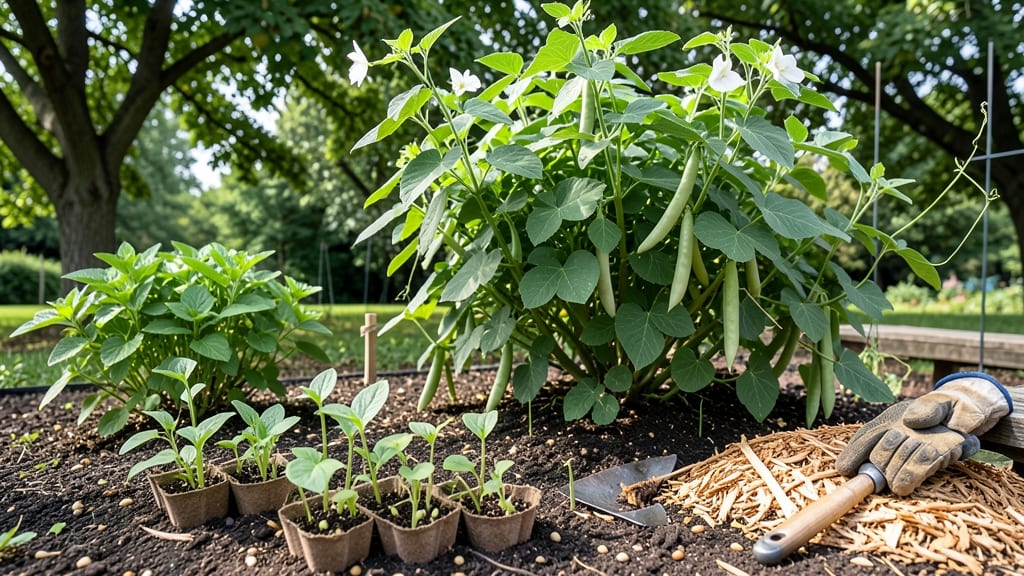
If you're wondering when to plant beans in Kentucky to avoid bolting or poor growth, timing is the key to a successful harvest. Planting too early risks frost damage, while waiting too long means your harvest arrives when summer's heat peaks—both scenarios leave you with less than stellar results.
Kentucky's USDA zones 6a-7a offer a unique window for growing beans, but getting it right means aligning your schedule with soil temperatures, last frost dates, and variety-specific needs.
Whether you're growing bush beans for quick harvests or pole beans for climbing vines, precision planting ensures you beat the heat and humidity that can stress these plants.
I'll walk you through the exact planting deadlines for both spring and fall, including how to adjust for Kentucky's unpredictable weather patterns.
You'll learn which varieties thrive in your region, how to prep your soil for maximum success, and even when to start seeds indoors if you want an early jump on the season.
Ready to turn your garden into a bean bonanza? Let's dive into the game-changer planting schedule that will have you picking fresh pods all summer long—without the guesswork.
Kentucky bean planting deadlines by variety: pole vs. bush beans
Kentucky’s Heat Zone 7a gives you a 165-day frost-free window, perfect for growing both pole beans and bush beans. But timing matters—plant too early, and frost will kill tender seedlings; too late, and your harvest shrinks. Here’s your exact planting schedule, tailored to Kentucky’s climate and variety needs.
Most Kentucky gardeners focus on spring planting (April–June), but fall planting (August–September) works too for quick-maturing varieties. The key is waiting until soil temperatures hit at least 60°F—cold soil slows germination. Use a soil thermometer to check; most garden centers sell them for under $15.
For bush beans, which mature faster (50–60 days), you’ve got more flexibility. Start seeds 2–3 weeks after your last frost date (typically around April 15 in Kentucky).
For pole beans, which need 75–90 days to harvest, plant 4–6 weeks earlier to ensure they mature before fall frost hits (usually October 31).
🌱
| Variety | Spring Planting Window | Fall Planting Window | Days to Maturity | Soil Temp Requirement |
|---|---|---|---|---|
| Bush Beans (e.g., 'Blue Lake') | April 15 – May 15 | August 1 – August 20 | 50–60 days | 60°F+ |
| Bush Beans (e.g., 'Kentucky Wonder') | April 20 – May 10 | August 10 – August 25 | 55–65 days | 60°F+ |
| Pole Beans (e.g., 'Rattlesnake') | April 1 – April 30 | July 15 – August 10 | 75–90 days | 65°F+ |
| Pole Beans (e.g., 'Kentucky Blue') | March 25 – April 15 | July 1 – July 20 | 80–100 days | 65°F+ |
📅 Pro Tip: Use black plastic mulch to warm soil faster and extend your planting window by 1–2 weeks.
Kentucky’s microclimates can shift planting windows by weeks. For example, northern Kentucky (USDA Zone 6a) has later last-frost dates (around May 1), while southern Kentucky (Zone 7b) can plant as early as March 15 for heat-tolerant varieties. Check your local Cooperative Extension Service for hyper-local advice.
If you’re direct sowing (planting seeds outdoors), aim for April 15–May 15 for spring bush beans and July 15–August 10 for fall pole beans. For transplants, start seeds indoors 4–6 weeks before your target outdoor date. Kentucky’s humidity means seedlings need consistent moisture—don’t let them dry out!
For fall planting, stick to short-season varieties like 'Contender' or 'Blue Lake.' These mature in 50–60 days, giving you time to harvest before Kentucky’s first frost (usually October 31). Plant fall beans 80–90 days before your first frost to ensure a full harvest.
🌿
One common mistake in Kentucky is planting beans too deeply. Seeds need 1–1.5 inches of soil coverage—any deeper, and they won’t sprout. Also, avoid planting in cold, wet soil; wait until the ground is warm and crumbly to the touch.
Test soil temps with a thermometer or press your hand into the soil—if it’s too cold for your comfort, it’s too cold for beans.
Finally, succession planting is your secret weapon. Sow new seeds every 2 weeks from April to June for a continuous harvest. This works especially well for bush beans, which mature quickly.
For pole beans, plant once in early spring and again in mid-summer for a double harvest.
5 Critical factors that determine your bean planting success in Kentucky
Kentucky’s unpredictable spring weather and clay-heavy soils can throw off even the best-laid bean planting plans. But don’t worry—I’ve got the 5 game-changing factors that’ll help you nail your timing and grow thriving beans. Start with these to avoid common pitfalls.
First, soil temperature is non-negotiable. Beans need at least 60°F soil to germinate—waiting for this threshold (usually mid-April) ensures strong starts. Use a soil thermometer to check, especially in Bluegrass Region areas where cooler microclimates linger.
Next, microclimates matter. Kentucky’s Pennyrile Region warms faster than the Cumberland Plateau, so adjust planting dates by 1-2 weeks based on your location. For example, Western KY can plant beans 7-10 days earlier than Eastern KY.
- Soil Temperature: Wait until soil hits 60°F+ (mid-April in most areas). Use a thermometer to confirm—cold soil = poor germination.
- Microclimates: Adjust planting by 1-2 weeks for Western vs. Eastern KY. Pennyrile warms faster than the Plateau.
- Companion Plants: Pair beans with corn or cucumbers to improve growth. Avoid onions or garlic—they stunt bean development.
- Spring Weather: Kentucky’s late frosts (even after April 15) can kill seedlings. Use row covers if nights dip below 40°F.
- Soil pH: Test your soil—Kentucky’s clay soils often need lime (pH 6.0-7.0). Beans hate acidic soil (pH < 5.5).
Don’t overlook companion planting. Beans thrive with corn, cucumbers, or potatoes—their deep roots aerate soil and deter pests. But steer clear of alliums (onions, garlic), which release chemicals that inhibit bean growth. A 3-foot buffer between beans and alliums is ideal.
Kentucky’s late spring frosts are the real villain. Even after the average last frost date (April 15), unexpected cold snaps can hit. Protect seedlings with frost cloth or plant in low-lying areas where cold air settles last. If frost threatens, cover plants by sunset.
Lastly, soil pH is a silent killer. Kentucky’s clay-heavy soils often test acidic (pH < 6.0), which stunts bean growth. Test your soil (use a $10 kit from garden centers) and amend with pelletized lime if needed. Aim for pH 6.0-7.0—beans won’t thrive outside this range.
Master these 5 factors, and you’ll outpace Kentucky’s quirks—guaranteed bountiful harvests ahead! 🌿