
Plants
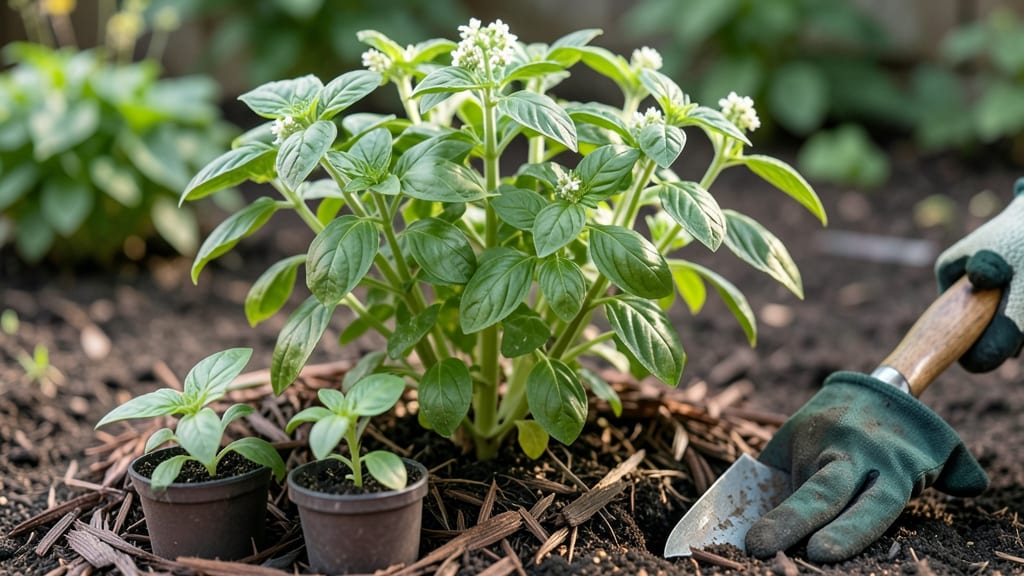
Timing your basil planting in Colorado isn’t just about the calendar—it’s about beating the unpredictable frost that can turn your fragrant 🌿 dreams into a sad, wilted pile of disappointment.
Whether you’re in Denver’s 6a zone or the cooler mountains of Boulder’s 5b, the right window makes all the difference between a bountiful harvest and a wasted seed packet.
Most gardeners assume they can plant basil anytime after the last frost, but Colorado’s microclimates—where urban heat islands can be 2-4 weeks warmer than mountain valleys—mean your neighbors’ success might spell failure for you.
The key isn’t just knowing when to plant; it’s understanding where your frost-free window begins and how to stretch it with simple tricks like row covers or containers.
In this guide, I’ll break down the exact planting dates for your region, from the Front Range to the Western Slope, so you can start basil indoors or direct-sow outdoors with confidence.
You’ll also learn which varieties thrive in Colorado’s short season and how to avoid the costly mistake of planting too early—because even basil has its limits.
Ready to grow basil that’s bold, flavorful, and frost-proof? Let’s get started with the timeline that’ll keep your herbs thriving from June through October.
Colorado’s basil planting zones: frost-date breakdown by region
Colorado’s diverse elevations and microclimates create wildly different frost dates—what works in Denver’s urban heat island might fail in the cooler mountain valleys. To pinpoint your ideal planting window, start with your USDA zone and adjust for local conditions.
For example, Denver’s 6a zone typically sees its last frost around April 15, while Boulder’s 5b can linger until May 1. Meanwhile, the Western Slope’s 7a zone (e.g., Grand Junction) often warms up 2-3 weeks earlier.
Even within the same city, frost dates can vary by 1-2 weeks depending on whether you’re in a sunny south-facing yard or a shady north-side microclimate. Urban areas like Aurora or Fort Collins may experience heat islands that delay frost by 7-10 days compared to rural areas.
Always check local Almanac frost data or use a frost-free calculator like the one from Colorado State University for precision.
Here’s how Colorado’s regions break down for basil planting:
| Region | USDA Zone | Avg. Last Frost | Planting Window | Microclimate Adjustment |
|---|---|---|---|---|
| Front Range (Denver, Aurora, Fort Collins) | 6a-6b | April 15–May 1 | Mid-May to early June | Urban areas: plant 1 week earlier; mountain foothills: delay by 10 days |
| Western Slope (Grand Junction, Durango) | 7a-7b | March 20–April 5 | Early April to mid-May | Desert areas: plant 2 weeks early; high valleys: delay by 1 week |
| Eastern Plains (Pueblo, Colorado Springs) | 5b-6a | April 20–May 5 | Late May to early June | Arid zones: plant 1 week early; irrigated areas: follow standard dates |
| High Mountains (Aspen, Breckenridge) | 4a-5a | May 15–June 1 | Late June to early July | Use containers or cold frames; extend season with row covers |
If you’re in a transition zone (like the Pikes Peak region or Boulder foothills), err on the side of caution. Planting basil too early—even just 1-2 weeks before the average last frost—can stunt growth or kill seedlings outright.
Instead, use soil thermometers to confirm temperatures are above 50°F before transplanting. Pro tip: Black plastic mulch can warm soil by 5-10°F, giving you an extra 7-10 days of planting flexibility.
For container gardening, which is ideal for Colorado’s variable frost pockets, you can plant 2-3 weeks later than ground planting. Containers absorb and retain heat better, creating a mini microclimate that protects basil from late frosts.
Just ensure your pots have drainage holes and use a lightweight potting mix to prevent waterlogging—especially critical in Colorado’s dry summers.
One common mistake I see is assuming that “after the last frost” means you can plant
Step-by-Step microclimate planting calendar for Colorado basil growers
Colorado’s microclimates can shift your basil planting window by weeks—so instead of guessing, follow this step-by-step calendar tailored to your region. Whether you’re in Denver’s urban heat or the cool mountain valleys, these dates ensure your basil thrives from seedling to harvest.
Start by checking your last frost date (April 15 for lowlands, May 1 for high-altitude areas). Then, use this timeline to either start indoors or direct-sow outdoors at the right moment. For container growers, adjust dates by 1-2 weeks earlier to capitalize on warmer soil.
🌱 Step 1: Indoor Start (6-8 Weeks Before Last Frost)
Why: Basil seeds need warm soil (70-80°F) to germinate. Use a heat mat if your home is chilly.
Action: Sow seeds 1/4 inch deep in biodegradable pots. Keep soil moist and under grow lights (12-14 hours/day).
🌱 Step 2: Harden Off (2 Weeks Before Transplant)
Why: Acclimate seedlings to outdoor temps to avoid shock. Start with 1 hour/day outside, increasing gradually.
Action: Place pots in partial shade and protect from wind. Skip this step if direct-sowing.
🌱 Step 3: Transplant Outdoors (After Last Frost)
Why: Soil must stay above 50°F for 2+ weeks. Use a soil thermometer to confirm.
Action: Space plants 12-18 inches apart in full sun. Water deeply at transplant to reduce stress.
🌱 Step 4: Extend the Season (Fall Planting)
Why: Late-summer starts yield fall harvests before frost. Use row covers to delay first frost by 2-3 weeks.
Action: Direct-sow seeds 1/4 inch deep in warm soil. Harvest before first frost (Oct 15).
Pro tip: If your microclimate runs cold (e.g., mountain valleys), opt for containers—they warm faster in sun and can be moved indoors if frost threatens. And remember: Basil hates cold feet, so mulch with straw to keep roots cozy.
With this calendar, you’ll dodge frost, maximize flavor, and enjoy homegrown basil from June to October—no matter where in Colorado you garden. 🌿