
Plants
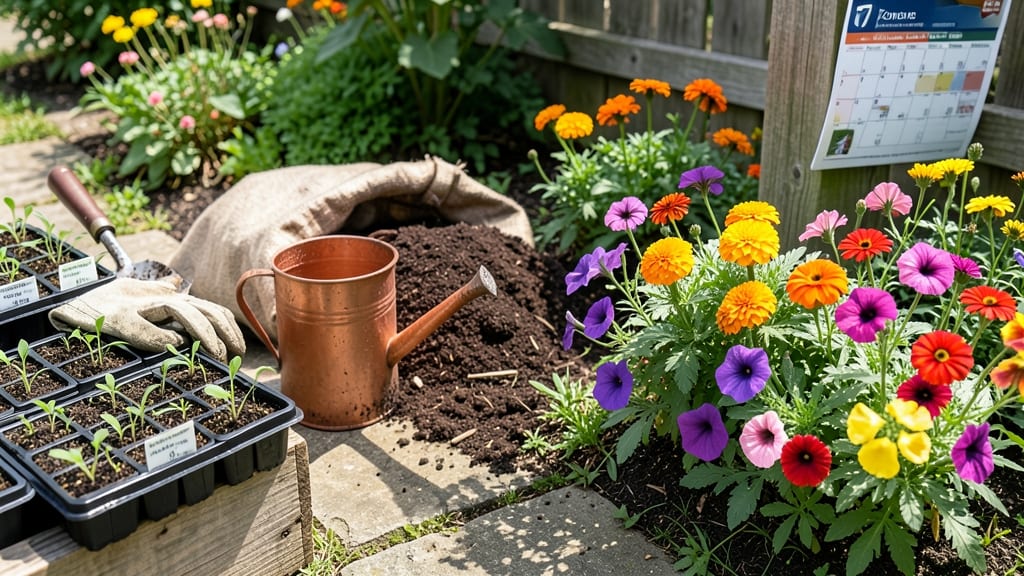
Planting annuals in Zone 7 can feel like a guessing game—get the timing wrong, and your vibrant blooms or fresh herbs never make it past the first frost or scorching summer heat.
The key to a thriving garden lies in knowing exactly when to start seeds or transplant those delicate seedlings for the best possible results.
I’ve tested countless planting schedules, and what I’m about to share will help you avoid common mistakes that waste time and effort.
Whether you’re growing marigolds for pest control or basil for your kitchen, these precise start dates align with Zone 7’s unique climate patterns, ensuring your annuals take root just as conditions become ideal.
From cool-season favorites like lettuce to heat-loving petunias, each plant has its own perfect window. We’ll break down the best times to sow seeds directly or set out transplants, so you can enjoy continuous blooms and harvests all season long. Let’s get your garden off to the right start.
Ready to transform your outdoor space? With the right timing, you’ll be enjoying lush annuals in no time—no more second-guessing or lost plants. Here’s how to make it happen, step by step.
Zone 7 annual planting calendar: exact start dates by seed type
Zone 7 gardeners have a 140- to 200-day growing season, but timing your annuals wrong can mean lost blooms or wilted veggies. The key is understanding cool-season vs. warm-season crops and their frost sensitivity.
For example, marigolds and basil hate frost, while kale and spinach thrive in cooler temps. Let’s break down the exact windows for both direct sowing and transplanting.
First, mark your last frost date (typically March 15–April 15) and first frost date (usually November 15–December 15) for your specific area. These dates act as your planting bookends.
For instance, if your last frost is April 1, you’ll adjust your schedule accordingly. Soil temperature is just as critical—cool-season crops need soil at 40–50°F, while warm-season varieties prefer 60–70°F.
🌱
📅 Zone 7 Annual Planting Timeline
| Season | Plant Type | Direct Sow | Transplant | Notes |
|---|---|---|---|---|
| Early Spring | Cool-Season Annuals | March 1–April 15 | March 15–April 30 | Use row covers for frost protection |
| Late Spring | Warm-Season Annuals | April 15–May 15 | April 1–May 31 | Wait until soil warms to 60°F |
| Summer | Heat-Tolerant Annuals | May 15–June 30 | May 1–June 15 | Provide afternoon shade for delicate varieties |
| Fall | Cool-Season Annuals | August 15–September 15 | July 15–August 31 | Choose fast-maturing varieties for harvest before frost |
For cool-season annuals like lettuce, spinach, and pansies, start seeds indoors 6–8 weeks before your last frost date. Transplant seedlings outdoors once soil temperatures stabilize, usually by mid-March to early April.
If you’re direct sowing, wait until 2–4 weeks after your last frost to avoid seedling damage. Row covers are your best friend during this period—they can push back frost by 4–6°F.
Warm-season annuals, including tomatoes, peppers, and marigolds, demand patience. Begin seeds indoors 8–10 weeks before your last frost (so around February 1–March 1 for most Zone 7 gardeners). Transplant outdoors only after soil reaches 60°F, typically mid-April to early May.
If you’re direct sowing, wait until late April to early May when nighttime temperatures consistently stay above 50°F.
Don’t overlook succession planting—it’s the secret to a continuous harvest or nonstop blooms. For example, sow bush beans every 2 weeks from May to July to enjoy fresh pods all summer.
Similarly, replant basil every 3–4 weeks to keep your kitchen garden stocked. This strategy works for both veggies and flowers, ensuring your garden stays vibrant from spring to fall.
Pro tip: Use biodegradable pots for seedlings. They eliminate transplant shock and save time when moving plants outdoors. Plus, they break down naturally, adding nutrients to the soil.
For heat-sensitive varieties like cosmos or zinnias, consider starting seeds in late May to avoid bolting—they’ll reward you with longer blooming seasons and hardier stems.
🌿
Heat-tolerant annuals that thrive in Zone 7’s summer heat
Zone 7’s summer heat can turn your garden into a wilting wasteland if you’re not strategic. But don’t worry—some annuals are built to handle the 90°F+ temperatures and dry spells like champs. These varieties won’t just survive; they’ll thrive, giving you vibrant blooms and bountiful harvests all season long.
My top picks for heat-tolerant annuals include marigolds, zinnia, and basil. These plants not only withstand the heat but also repel pests and attract pollinators, making them a win-win for your garden. Let’s dive into the specifics so you can plant with confidence.
🌱 Heat-Tolerant Annuals for Zone 7
- Marigolds – Drought-resistant, pest-repelling, and bloom from summer to frost. Plant after last frost date (mid-April to early May in Zone 7).
- Zinnias – Thrives in full sun and heat, with blooms lasting until first frost. Direct sow after soil warms (mid-May onward).
- Basil – Heat-loving herb that bolts in cooler temps. Transplant after last frost (late April to May) and harvest regularly to encourage growth.
- Okra – Drought-tolerant and heat-seeking. Plant after soil reaches 60°F (mid-May to June) for best results.
- Portulaca (Moss Rose) – Succulent-like and drought-proof. Direct sow after last frost or even in early summer for late-season blooms.
- Sweet Potato Vine – Shade-tolerant and heat-resistant. Plant after last frost for trailing vines that last all summer.
For vegetables, prioritize okra, eggplant, and peppers. These warm-season crops need consistent heat to produce, so don’t rush planting them. Wait until soil temperatures hit 65°F+ (usually mid-to-late May) to avoid stunted growth.
If you’re dealing with urban heat islands or limited shade, opt for drought-resistant varieties like lantana or verbena. These low-water annuals will keep your garden looking lush without extra effort. Just remember to mulch around plants to retain moisture.
Pro tip: Pair heat-tolerant annuals with shade-loving perennials to create a balanced garden. This way, you’ve got color and productivity all season, no matter the temperature swings Zone 7 throws at you. 🌡️