
Plants
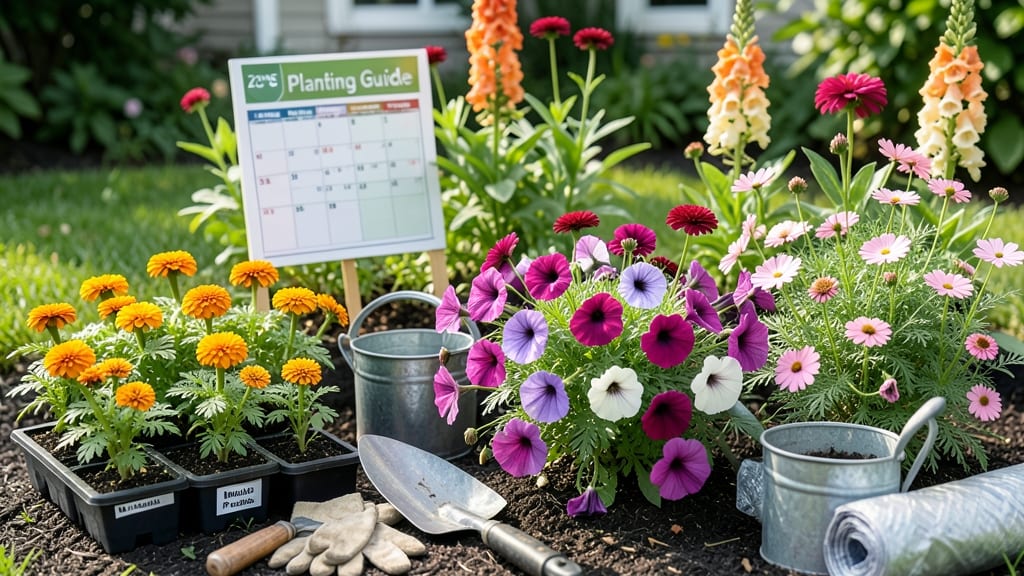
Planting annuals in Zone 5 at the wrong time means either waiting forever for blooms or watching frost wipe out your hard work—both are frustrating. The key to vibrant 🌸 annuals all season lies in timing your plantings precisely around frost dates, soil warmth, and your local microclimate.
Most gardeners in Zone 5 know the basics—wait for last frost or plant before first frost—but the devil is in the details. Did you know some annuals thrive when soil hits 60°F, while others need to wait until mid-May?
Or that fall plantings can stretch your garden's life well into November if you choose the right varieties?
In this guide, I’ll break down the exact windows for spring and fall planting, including how to adjust for early starts or late-season extensions. You’ll learn which annuals are frost-hardy, how to protect tender seedlings, and when to start seeds indoors for maximum success.
Whether you’re dreaming of summer marigolds or fall pansies, mastering these timing strategies will give you zero-frost blooms and harvests—no guesswork required. Let’s get your Zone 5 garden on the right schedule.
Zone 5 spring planting timeline: avoiding frost while maximizing bloom time
Spring in Zone 5 is a race against time—frost can linger until mid-May in many areas, while summer heat arrives by June. To maximize your annuals' bloom time, you must plant after the last frost date but before soil temperatures exceed 85°F.
The key? Know your microclimate and choose heat-tolerant varieties that thrive in Zone 5's short season.
Start by checking your local last frost date—typically around April 15 to May 15—but verify with your local cooperative extension office. For example, Chicago averages frost until May 10, while Denver may see frost as late as May 25.
Planting too early risks frost damage, while waiting too long shortens the growing season.
Use this comparison table to align your planting schedule with the best annuals for Zone 5 spring:
| Planting Window | Annual Variety | Soil Temp Requirement | Notes |
|---|---|---|---|
| After last frost (May 1–15) | Marigolds, Zinnias, Sunflowers | 55–65°F | Heat-tolerant; thrive in Zone 5's summer |
| Early May (soil at 50°F+) | Coleus, Begonias, Impatiens | 50–55°F | Shade-tolerant; ideal for containers |
| Late May (soil at 60°F+) | Tomatoes, Peppers, Basil | 60–70°F | Warm-season crops; use row covers |
| June (soil at 70°F+) | Cosmos, Nasturtiums, Portulaca | 65–80°F | Drought-tolerant; great for late-season blooms |
Extend your spring planting window with row covers or cold frames to protect tender seedlings. For example, tomatoes and peppers can be planted 2–3 weeks earlier if covered. Monitor soil temperatures with a soil thermometer—most annuals need 55–65°F to germinate.
If your spring is unusually cold, opt for slow-growing annuals like pansies or snapdragons, which tolerate cooler soil. These thrive when planted in early April under light frost cloth. Avoid heat-lovers like okra until late May, as they won’t survive Zone 5’s early frosts.
Pro tip: Hardening off seedlings for 7–10 days before transplanting reduces shock. Gradually expose them to outdoor conditions—start with 2 hours/day and increase by 2 hours daily. This mimics natural transitions and boosts survival rates.
Water deeply after planting to encourage root growth, but avoid overwatering, which can drown seedlings. Use mulch to retain moisture and regulate soil temperature. A 2-inch layer of straw keeps roots cool and reduces weeds.
Finally, rotate your planting schedule yearly to prevent soil depletion. For example, if you planted marigolds in bed A last year, try zinnias or sunflowers this spring. This simple swap prevents disease buildup and keeps your garden vibrant.
With these strategies, your Zone 5 annuals will bloom earlier and longer, turning your garden into a summer showcase—without the frost risk. 🌸
Fall planting annuals in Zone 5: the secret to winter-blooming flowers and cool-season success
Fall planting in Zone 5 isn’t just about extending your garden’s life—it’s about unlocking a whole new palette of 🌸 frost-tolerant annuals that thrive when summer heat fades. While most gardeners focus on spring, the magic happens in late summer when soil stays warm but nights grow crisp.
The key? Planting 4-6 weeks before your first frost date (typically late August to early September in Zone 5). This window gives cool-season annuals time to establish roots before winter slows growth.
Your best bets for fall color are pansies, snapdragons, and sweet alyssum—these toughies handle light frosts (down to 25°F) and even brighten up snow-dusted gardens. But timing is everything: Plant too early, and they’ll bolt in summer heat; too late, and frost will nip tender seedlings.
Let’s break down the exact steps to nail your fall plantings.
Pro tip: Use row covers or cold frames to push your fall season even later. I’ve kept pansies blooming until Christmas by covering them with lightweight fabric when temps drop below 30°F.
Just remove covers during the day to prevent overheating. For vegetables, try kale, spinach, and radishes—they’ll reward you with harvests well into winter if planted by mid-September.
Soil prep is just as critical in fall as spring. Amend your beds with compost or aged manure to replenish nutrients lost over summer. Test your soil’s pH—most cool-season annuals prefer 6.0-7.0. If your soil is still warm from summer, shade seedlings with straw mulch to prevent leggy growth.
And don’t forget to water deeply but less frequently as temps drop—1-1.5 inches per week is ideal in fall.
One of my favorite fall annuals is calendula, which not only blooms until frost but also deters pests naturally. Pair it with dusty miller for a striking contrast, or mix in cornflower for a cottage-garden feel.
The key to fall success? Start small—test a few varieties in containers first if you’re new to late-season planting. Containers let you move tender plants indoors if a hard frost sneaks up early.
Remember: Fall planting is all about working with nature’s cooling trend, not fighting it. Choose varieties bred for short days and mild temps, and you’ll enjoy zero-frost blooms that brighten up gray winter days.
Next time you’re admiring your neighbor’s summer garden, ask yourself: What would my fall garden look like? The answer might surprise you.