
Plants
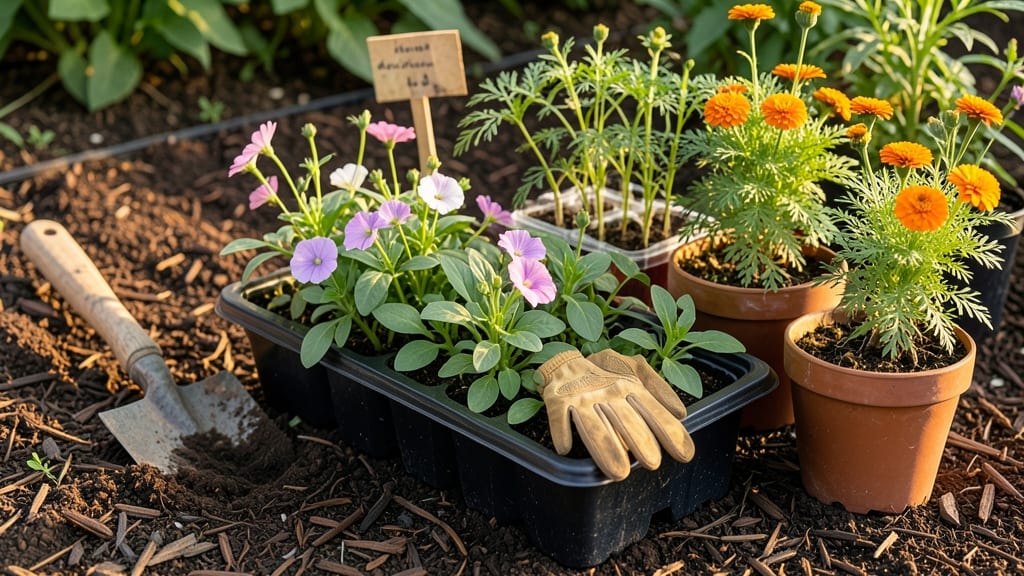
Planting annuals in Michigan at the wrong time can mean the difference between a vibrant garden and a sad, frost-nipped disappointment.
The perfect window for warm-season bloomers like marigolds and impatiens hinges on knowing your zone's last frost date—typically late April to early May for Zone 5 and early May for Zone 6.
But here's the catch: Michigan's weather is famously unpredictable, and rushing your 🌱 can leave your petunias shivering in a late cold snap. I’ve learned the hard way that waiting for consistently warm soil (at least 55°F) is just as critical as the calendar date.
In this guide, I’ll break down the exact month-by-month planting schedule for Michigan’s top annuals, including cold-hardy picks like pansies and snapdragons that can handle early starts. You’ll also discover how to extend your blooming season with simple tricks like row covers and succession planting.
Whether you're a first-time gardener or a seasoned pro, these insights will help you time your plantings like a local—so you can enjoy summer color from June until the first frost.
Michigan’s frost-free dates by Zone 5 vs. 6: critical planting windows
Michigan gardeners face a unique challenge: our state spans USDA Zones 5 and 6, creating a 10-14 day difference in frost-free dates between northern and southern regions.
In Zone 6 (southern Michigan), the average last frost date falls around May 10-15, while Zone 5 (northern Michigan) typically waits until May 25-30. These dates separate warm-season annuals (tomatoes, peppers) from cool-tolerant flowers (pansies, snapdragons) that can handle light frosts.
Even within these zones, microclimates like urban heat islands or lakeside areas can shift timelines by 1-2 weeks. For example, Detroit’s urban core may see earlier soil warming than rural areas just 20 miles away.
Always verify local data using Michigan State University Extension’s frost maps or track your own 3-year average for accuracy.
Here’s the critical rule I follow: Warm-season crops (like basil or marigolds) need soil temperatures above 60°F for 7+ days before planting. Use a soil thermometer—don’t guess!
Cool-season annuals (e.g., pansies or lettuce) can handle 40-50°F soil and even light frosts, but avoid planting them until 2 weeks after your last expected frost.
| Factor | Zone 5 (Northern MI) | Zone 6 (Southern MI) | Key Notes |
|---|---|---|---|
| Average Last Frost | May 25–30 | May 10–15 | Use 3-year averages for accuracy. |
| First Frost (Fall) | September 20–25 | October 5–10 | Plan for late-season blooms like cosmos or zinnias. |
| Warm-Season Planting Window | June 1–15 | May 20–30 | Wait until soil >60°F for tomatoes/peppers. |
| Cool-Season Planting Window | April 15–May 10 | April 1–April 15 | Start pansies or kale 4–6 weeks before last frost. |
| Microclimate Adjustments | +7 days (urban), -7 days (lakeside) | +10 days (urban), -5 days (lakeside) | South-facing slopes warm 2–3 weeks earlier. |
For warm-season annuals like tomatoes, peppers, and marigolds, I recommend waiting until 2 weeks after your local last frost date—even if soil is warm. These plants are frost-sensitive and may rot if temperatures dip below 50°F.
Use row covers or a mini greenhouse to jumpstart seedlings 4–6 weeks before the average last frost.
On the flip side, cool-tolerant annuals such as pansies, snapdragons, and lobelia can handle light frosts down to 25°F. I often plant these as early as April in Zone 6, using mulch to protect roots.
For Zone 5, start in late April and monitor forecasts for late-spring frosts (common in May).
Pro tip: Succession planting is your secret weapon in Michigan. Instead of planting all your basil or zinnias at once, stagger seeds every 2–3 weeks from June through July. This ensures continuous blooms until frost, even with our short growing season.
For example, I plant cosmos seeds every 10 days in June—by August, my garden is a nonstop parade of color.
Don’t forget about fall planting! Many annuals thrive in Michigan’s cool autumn weather. Pansies, sweet alyssum, and calendula can be sown as late as August 1–15 in Zone 6 (or July 15–30 in Zone 5) for late-season beauty.
These flowers handle light frosts and often bloom until Christmas with proper care.
To track your local frost dates, I rely on three tools: the Michigan State University Extension’s frost calculator, my own garden journal (noting frost dates for 3+ years), and local weather apps like AccuWeather for real-time alerts. Never rely on a single source—Michigan’s weather is unpredictable, and a surprise frost
Best annuals for Michigan’s short growing season: fast-blooming vs. heat-loving varieties
Michigan’s short growing season demands smart choices—annuals that bloom quickly or tolerate cooler temps will give you the most bang for your buck. I’ve tested dozens of varieties, and these top performers deliver color from early summer until frost, even in Zone 5’s cooler climate.
For fast bloomers (under 60 days), zinnias and cosmos are my go-tos—they’ll burst into color when nothing else will. Heat-lovers like portulaca and lantana thrive in Michigan’s July-August heatwaves, while pansies and snapdragons handle early starts better than most.
Here’s how I rank them by speed and resilience:
Pro tip: Pair fast bloomers (like zinnias) with long-season plants (like dahlias) for continuous color. For example, plant zinnias in late May and dahlias in early June—zinnias will bloom first, then hand off to dahlias as summer progresses.
For Zone 5 gardeners, focus on cool-tolerant varieties like lobelia and sweet alyssum for early starts. In Zone 6, you can push the envelope with geraniums and marigolds, which handle heat better but need protection from late frosts.
Succession planting is your secret weapon: Sow bachelor’s buttons every 2 weeks from June to July for nonstop blooms until frost. This trick works especially well in Michigan’s 50–60 frost-free days—maximizing every inch of your season.