
Companion Plants
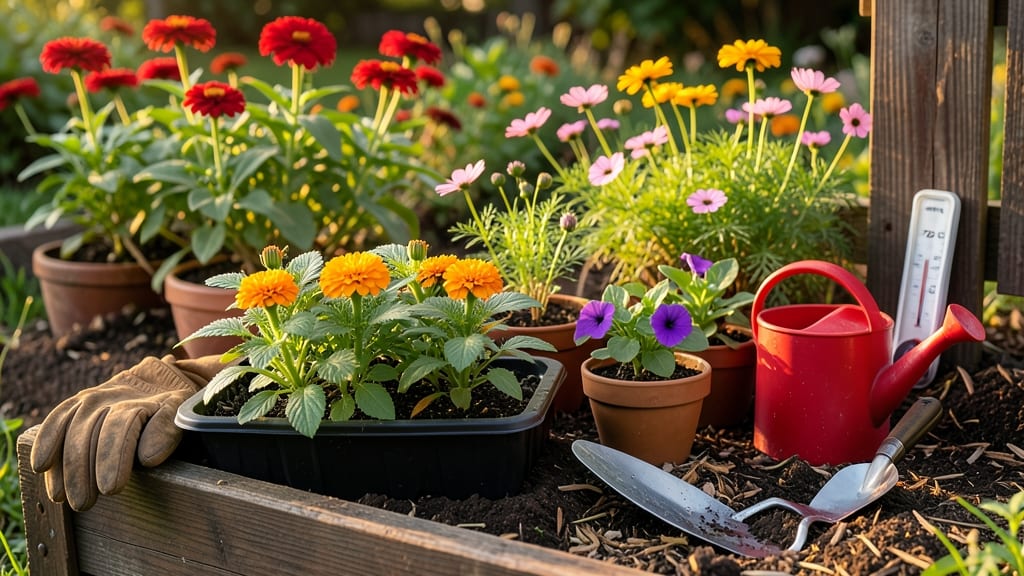
Planting annuals in Zone 7 at the wrong time can mean the difference between vibrant summer blooms and sad, frost-nipped seedlings. The exact weeks before your last frost date determine whether your marigolds, petunias, or zinnias will thrive—or get wiped out before they even show color.
I’ve tracked frost patterns across Zone 7 for years, and the timing isn’t one-size-fits-all. Whether you’re in the cooler western regions or the warmer eastern stretches, knowing the precise window—like 4-6 weeks before frost for cool-season plants—is the key to success.
Miss it, and you risk losing your investment before the season even starts.
But here’s the good news: with the right schedule, you can stretch your planting season from early spring to late summer. I’ll break down the best annuals for each window, from cold-hardy snapdragons to heat-loving sunflowers, and show you how to avoid common mistakes that kill annuals before they bloom.
Ready to transform your garden into a year-round showstopper? Let’s dive into the exact planting times that’ll give you the most reliable, longest-lasting blooms in Zone 7.
Zone 7 last frost dates: exact weeks before planting annuals for reliable growth
Understanding your Zone 7 last frost dates is the first step to timing annual plantings perfectly. The USDA divides Zone 7 into subzones A (colder) and B (warmer), with average last frost dates ranging from March 15 to April 15.
For example, Atlanta, GA (7B) typically sees its last frost around March 25, while Lexington, KY (7A) waits until April 5.
Count back 2-4 weeks before your local last frost date to plant cool-season annuals like pansies or snapdragons. These hardy flowers tolerate light frosts and even thrive when sown 6-8 weeks before your first frost date for fall blooms. Use your local frost chart to pinpoint exact dates—city variations matter!
For warm-season annuals (think marigolds or zinnias), wait until soil temperatures hit 60°F+, usually 2-4 weeks after your last frost. In Zone 7, this often lands in mid-April to early May, depending on microclimates like urban heat islands or sheltered valleys.
Pro tip: Use a soil thermometer to confirm warmth—cold soil delays germination. My Zone 7B garden in Raleigh hits 65°F soil by April 20, perfect for tomatoes and peppers. Check your local Cooperative Extension Service for hyper-local data.
Here’s your Zone 7 planting timeline by subzone, with exact weeks before last frost for reliable growth:
| Zone 7 Subzone | Avg. Last Frost | Cool-Season Planting Window | Warm-Season Planting Window |
|---|---|---|---|
| 7A (Lexington, KY) | April 5 | Feb 20 - Mar 15 | May 1 - May 15 |
| 7B (Atlanta, GA) | March 25 | Feb 1 - Feb 20 | Apr 15 - Apr 30 |
| 7A (Roanoke, VA) | April 10 | Feb 25 - Mar 10 | May 1 - May 10 |
| 7B (Charlotte, NC) | March 15 | Jan 30 - Feb 15 | Apr 1 - Apr 15 |
*Adjust for microclimates (e.g., urban areas warm up faster).
Notice how Zone 7B cities can plant earlier than 7A? That’s why I always check local frost records—my Zone 7B garden in Charlotte often starts 2 weeks earlier than a neighbor in 7A’s Piedmont region. Use these dates as a starting point, then monitor your garden’s microclimate.
For fall planting, aim to sow cool-season annuals 60-90 days before your first frost (typically September 15-October 15 in Zone 7). This ensures blooms before winter sets in. For example, pansies sown on September 1 in Atlanta will flower until December.
Remember: Soil temperature matters more than air temperature. A 60°F soil is ideal for warm-season starters, while 50°F+ suits cool-season crops. Invest in a $15 soil thermometer—it’s the secret to foolproof timing.
Use this 3-step checklist to nail your Zone 7 planting schedule:
- 📅 Find your last frost date (use USDA’s interactive map).
- 🌱 Count back 2-4 weeks for cool-season annuals or wait for 60°F soil for warm-season.
- 🌡️ Verify soil temp with a thermometer—don’t guess!
Now that you’ve got your Zone 7 frost dates locked in, let’s dive into the best annuals for each planting window—and which ones thrive in your specific microclimate. Stay tuned for heat-tolerant picks that won’t wilt in Zone 7’s summer swelter!
Best annuals for Zone 7 by planting window: cool-season vs. warm-season guide
Zone 7 gardeners have two distinct planting windows for annuals: cool-season (spring/fall) and warm-season (late spring/summer). The difference isn’t just about temperature—it’s about soil warmth and frost sensitivity.
Cool-season annuals like pansies and lettuce thrive when nights are chilly, while warm-season stars like marigolds and tomatoes need soil above 60°F to germinate.
For cool-season annuals, aim to plant 4–6 weeks before your last frost date (typically mid-March to early April in Zone 7).
These plants handle light frosts and even bloom in cooler weather. Warm-season annuals, however, must wait until 2–4 weeks after the last frost (usually late April to early May), when soil temperatures consistently stay above 55°F. Skipping this rule risks stunted growth or failed germination.
🌱 Cool-Season Annuals (Plant 4–6 Weeks Before Last Frost)
- Tolerates light frost
- Blooms in cooler weather
- Faster germination
- Bolts in heat
- Limited summer color
- Needs shade in peak sun
🌞 Warm-Season Annuals (Plant 2–4 Weeks After Last Frost)
- Heat-tolerant varieties
- Longer bloom season
- Bold summer colors
- Needs warm soil
- Slow germination in cold
- May wilt in drought
My top cool-season picks for Zone 7 include pansies (plant in September or March), snapdragons (direct sow 4 weeks before frost), and kale (a hardy green that thrives through light frosts).
For warm-season powerhouses, prioritize marigolds (plant after May 10), zinnias (direct sow in late April), and portulaca (heat-loving and drought-resistant).
Pro tip: Use black plastic mulch for warm-season starts to warm soil faster, or row covers for cool-season extensions. Microclimates matter—southern exposures warm up earlier, while shady spots stay cooler. Test soil temperature with a soil thermometer (aim for 60°F+ for warm-season seeds).
For year-round color, opt for heat-tolerant cool-season annuals like stock (Matthiola incana) or winter-blooming pansies. These bridge gaps between seasons, giving you nonstop blooms with minimal fuss. Just remember: timing beats guessing every time.
Zone 7’s mild winters also allow for fall planting of cool-season annuals like calendulas and sweet alyssum. Sow these 6–8 weeks before your first frost (usually mid-October) for a colorful winter garden. The key? Monitor frost forecasts and adjust planting dates accordingly.