
Planting
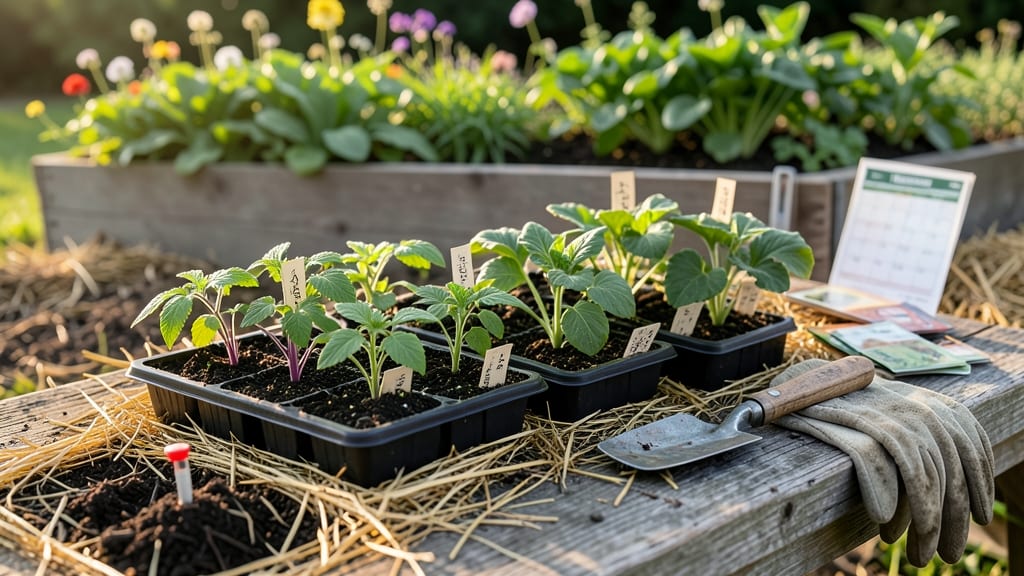
Timing when to plant a vegetable garden in Oklahoma isn’t just about following a calendar—it’s about outsmarting the state’s wild swings from 90-degree springs to sudden October freezes.
Get the planting schedule wrong, and your tomatoes might bolt before they ripen, or your lettuce could turn bitter before you even harvest it.
I’ve spent years testing what works in Oklahoma’s USDA Zones 6b-8a, and the key isn’t guessing—it’s knowing when to start seeds indoors, when to transplant warm-lovers like peppers, and how to stretch your growing season into fall without risking frost damage.
Whether you’re in Oklahoma City’s heat island or a cooler rural patch, these region-specific windows will save you from wasted effort (and empty garden beds).
You’ll discover the exact dates to plant cool-season crops like peas and spinach, plus how to cheat the system for tomatoes and squash when summer heat hits early.
We’ll also cover fall planting hacks—like using row covers to add 30 extra days of harvest time—so you’re not left with half-eaten zucchinis in November.
Ready to turn Oklahoma’s unpredictable weather into your garden’s advantage? Let’s dive into the planting calendar that actually works for your microclimate—no more trial and error, just proven results.
Oklahoma’s spring planting schedule by region: when to start cool-season vs warm-season vegetables
Oklahoma’s diverse microclimates mean your planting schedule should depend on whether you’re in Oklahoma City (Zone 7b), Tulsa (Zone 7a), or rural areas like Altus (Zone 7a) or Woodward (Zone 6b).
The average last frost date ranges from March 1 in southern Oklahoma to April 15 in the panhandle, so adjust accordingly.
For cool-season crops like lettuce and peas, start seeds indoors 4-6 weeks before your last frost, while warm-season crops like tomatoes and peppers need to wait until soil warms to 60°F+.
In Oklahoma City and Tulsa, where heat islands delay spring, begin planting cool-season crops outdoors in early March under row covers to protect from late frosts. For warm-season crops, wait until mid-April—when nighttime temps stay above 50°F—to transplant seedlings.
Rural areas with earlier frosts (like Zone 6b) should push back planting by 2-3 weeks to avoid damage.
Here’s a quick reference for soil temperature thresholds critical for germination:
- Cool-season crops (lettuce, spinach, peas): 40-50°F
- Warm-season crops (tomatoes, peppers, cucumbers): 60-70°F
- Root vegetables (carrots, beets): 50-60°F
Use a soil thermometer to confirm readiness—cold soil stunts growth, while too-warm soil can shock seedlings.
| Crop | Planting Window | Soil Temp | Notes |
|---|---|---|---|
| Lettuce | Early March–April | 40–50°F | Direct-sow; succession plant |
| Tomatoes | Mid-April–May | 60–70°F | Transplant after frost; stake early |
| Peppers | Late April–May | 65–75°F | Slow to germinate; keep warm |
| Green Beans | Late April–June | 55–65°F | Direct-sow; avoid wet soil |
| Carrots | March–April | 50–60°F | Loose soil; thin seedlings |
For direct-sowing crops like lettuce and radishes, start seeds 2-3 weeks before your last frost in well-drained soil. If you’re transplanting seedlings (tomatoes, peppers), wait until 2-3 weeks after last frost to avoid transplant shock from cold snaps.
In Zone 8a (southern Oklahoma), you can even plant warm-season crops in February under hoop houses for an early start.
Pro tip: Use Oklahoma State University’s frost date maps to refine your schedule. For example, Lawton (Zone 7b) has a last frost date of March 15, while Tulsa (Zone 7a) averages March 22.
Adjust your planting calendar by 1-2 weeks based on these local averages to avoid frost damage.
If you’re in a rural area with cooler nights, consider black plastic mulch to warm the soil faster for warm-season crops
Fall planting secrets for Oklahoma gardeners: extending the growing season without risking frost damage
Fall is Oklahoma’s hidden gem for gardening—when the heat subsides, your garden can thrive again with the right timing. Unlike spring, fall planting lets you grow cool-season vegetables like kale, carrots, and spinach without competing with summer’s scorching temperatures.
The key? Starting 6-8 weeks before your first frost (typically late July to early August) to ensure a full harvest before winter sets in.
Oklahoma’s USDA Zones 6b-8a mean frost dates vary wildly—from early October in rural areas to mid-November in urban heat islands. That’s why calculating your personal frost date (using the Oklahoma Mesonet) is non-negotiable.
For example, in Tulsa (Zone 7a), you might plant broccoli by August 15, while in Altus (Zone 7b), you’d wait until September 1.
Here’s the secret weapon: row covers and cold frames. These simple tools can push your harvest window by 3-4 weeks, letting you grow lettuce or radishes well into October.
Just drape a lightweight floating row cover over seedlings on chilly mornings, or use a mini greenhouse for heat-loving crops like tomatoes (plant by mid-July in Zone 8a).
Don’t overlook overwintering crops like garlic or hardy greens. Plant garlic cloves in October or November for a summer harvest the following year. Meanwhile, spinach and arugula can survive light frosts and even taste sweeter after a 28°F chill.
Pro tip: Check the Oklahoma State University Extension’s frost calendar for your county. Their 30-year averages account for Oklahoma’s unpredictable late-season heat waves, which can delay frosts by weeks. For example, Lawton (Zone 7b) saw a 90°F day in early November 2016—proof that fall planting requires flexibility.
With these strategies, your Oklahoma garden can stay productive well into December, beating the odds of early freezes. Just remember: plant early, protect late, and harvest often—your taste buds (and wallet) will thank you! 🌱