
Planting
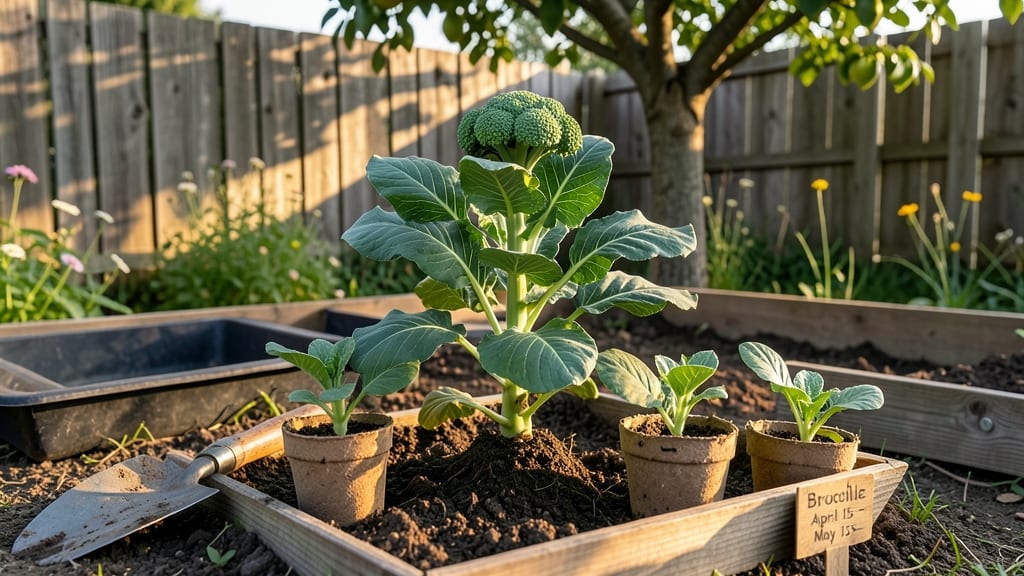
Timing your 🥬 vegetable garden in Ontario isn’t just about avoiding frost—it’s about knowing exactly when to plant for maximum harvests, whether you’re growing cold-hardy greens or heat-loving tomatoes.
With last frosts creeping into mid-May and first frosts arriving as early as mid-October, the window for success is tighter than you think.
If you’ve ever watched your seedlings wilt overnight or your tomatoes ripen too late, you’re not alone. The key lies in understanding Ontario’s 5a-6b zones and how to stretch your growing season with smart planting strategies.
I’ll break down the best times to start seeds indoors, transplant tender crops, and even extend your harvest into fall—so you’re not left with empty garden beds.
Let’s start with the most critical question: When should you actually put those seeds in the ground? The answer depends on whether you’re growing peas that thrive in cool soil or peppers that beg for warmth.
I’ll walk you through the exact planting windows for your region, plus tips to adjust for microclimates that can add weeks to your growing season.
By the end, you’ll have a clear schedule for planting everything from lettuce to zucchini, plus tricks to protect your crops from Ontario’s unpredictable weather. Ready to turn your garden into a year-round success story?
Ontario’s planting zones and frost dates: a region-by-region guide
Ontario’s diverse climate zones mean your last frost dates could vary by 2-4 weeks from one end of the province to the other. Understanding these planting windows is key to avoiding frost damage and maximizing your harvest.
Whether you're in Toronto’s Zone 6a or Thunder Bay’s Zone 4a, timing your spring and fall plantings correctly makes all the difference.
For most of Ontario, the last spring frost typically occurs between mid-April and early June, while the first fall frost arrives between mid-September and mid-October.
These dates create a 160-180 day frost-free growing season—just enough time to grow warm-season crops like tomatoes and peppers if you plan carefully. Northern regions have shorter seasons, while southern areas like London and Windsor enjoy longer growing windows.
Use the Canada Plant Hardiness Zone Map (similar to the USDA zones) to pinpoint your exact location. Ontario ranges from Zone 3a in the far north to Zone 6b in the southwest.
For example, Ottawa (Zone 5b) has an average last frost date of May 15, while Toronto (Zone 6a) sees its last frost around May 20. These small differences matter when choosing fast-maturing varieties or deciding whether to use row covers for early starts.
Here’s how to use this region-specific guide:
| Region | Zone | Last Frost | First Frost | Spring Planting Window | Fall Planting Window |
|---|---|---|---|---|---|
| Northern Ontario (Thunder Bay, Sault Ste. Marie) | 3a-4a | May 25 | September 15 | Late May–June 15 | July 1–August 10 |
| Central Ontario (Ottawa, Peterborough) | 5a-5b | May 15 | October 5 | April 25–May 20 | July 15–August 20 |
| Southern Ontario (Toronto, London, Hamilton) | 6a-6b | May 20 | October 10 | April 15–May 10 | July 10–August 30 |
| Southwestern Ontario (Windsor, Chatham) | 6b | May 10 | October 15 | April 1–May 5 | July 5–September 5 |
For warm-season crops like tomatoes, peppers, and cucumbers, wait until 2 weeks after your last frost date to plant outdoors. These heat-loving plants won’t tolerate even light frosts, so rushing them can stunt growth or kill seedlings.
Meanwhile, cool-season crops like spinach, kale, and peas can handle light frosts and can even be planted 4-6 weeks before your last frost for early harvests.
Pro tip: Check the Ontario Weather Network or local Agriculture Canada forecasts in early spring for real-time frost predictions. Some years, late frosts hit as late as June 1, so have row covers ready to protect tender seedlings.
In fall, extend your harvest by planting cold-hardy crops like Brussels sprouts and carrots in late July for a September-October harvest.
Microclimates also play a role. Urban areas like Toronto’s downtown can be 2-3°C warmer than rural zones, while low-lying spots may experience later frosts. Observe your garden’s unique conditions for 3-5 years to refine your planting schedule. Over time, you’ll learn which varieties thrive in your specific microclimate.
Always align your seed starting dates with these frost dates. For example, if your last frost is May 15, start tomato seeds indoors around March 1 to ensure they’re ready for transplanting. Use this region-specific data to create a customized planting calendar that works for your garden’s unique conditions.
🌱
Cold-hardy vegetables to start early: what thrives in Ontario’s cool springs
Ontario’s short growing season demands smart choices for cold-hardy vegetables that thrive in cool springs. These frost-resistant crops let you start planting as early as mid-April in southern regions, while northern areas can begin in early May.
The key is selecting varieties that tolerate light frosts and chilly soil—think peas, spinach, and kale—while avoiding heat-loving crops like tomatoes or peppers.
For best results, focus on fast-maturing varieties with 30-60 days to harvest. These give you an early bounty before summer heat sets in.
I’ve grown radishes in 25 days and baby spinach in 30 days using these early planting strategies, and the difference in yield is dramatic compared to waiting for warmer soil.
Soil temperature is critical—most cool-season crops need soil at 40-50°F (4-10°C) to germinate. Use a soil thermometer to check before planting. In my garden, I’ve found that covering seeds with straw mulch keeps them warm enough to sprout even when air temps dip below freezing.
5 Fast-Growing Crops for Ontario’s Short Season
- 🌱 Radishes – 25-30 days to harvest; plant every 2 weeks for continuous yields. Thrives in 40°F (4°C) soil.
- 🥬 Spinach – 30-40 days; prefers 50-60°F (10-15°C) soil. Harvest leaves as needed for cut-and-come-again growth.
- 🌿 Peas – 50-60 days; plant sugar snap or snow peas for early harvests. Tolerates light frosts down to 25°F (-4°C).
- 🥬 Lettuce – 30-50 days; choose leaf lettuce for quick harvests. Avoid bolting by keeping soil moist.
- 🌱 Kale – 50-60 days; cold-hardy to 15°F (-9°C). Sweeter after light frost!
To extend your early harvests, use row covers or cold frames to protect tender seedlings from unexpected late frosts. I’ve added floating row covers over my baby carrots and beets, which let sunlight through while shielding them from -2°C (28°F) temps.
This simple trick adds 2-3 weeks to my growing season.
For soil preparation, work in compost or aged manure 2-3 weeks before planting to improve drainage and fertility. I’ve found that raising beds warm up faster in spring, giving me a 2-week head start on planting compared to in-ground soil.
Just avoid working wet soil—it compacts easily and can stunt root growth.
Timing is everything: Plant peas and spinach as soon as soil is workable (usually late April in southern Ontario), then follow with lettuce and radishes 2 weeks later. Succession planting ensures you’re never without fresh homegrown greens all season long. And don’t forget—harvest regularly to encourage continuous production!