
Companion Plants
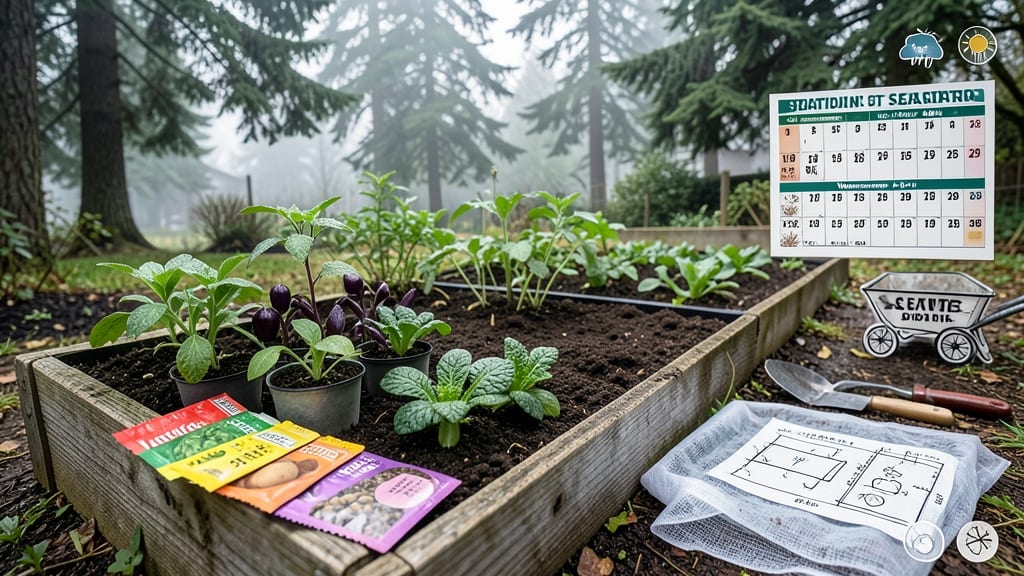
Planting a 🥬 vegetable garden in Seattle feels like walking a tightrope—one wrong move and frost or rain ruins your hard work. The key to success isn’t just knowing what to plant, but when to plant it, because Seattle’s USDA Zone 8a climate demands precision.
Most gardeners here get it wrong by either rushing cool-season crops too early or waiting too long for warm-season favorites. I’ve learned the hard way that timing isn’t just about dates—it’s about soil temperature, microclimates, and Seattle’s infamous late spring frosts that can strike even in May.
In this guide, I’ll break down the exact windows for planting everything from hardy peas in March to tomatoes after April 15, plus how to stretch your growing season when the weather plays tricks. No more guesswork—just a foolproof plan for Seattle’s unpredictable skies.
Whether you’re a first-time gardener or a veteran with a few failed batches under your belt, these strategies will help you harvest like a pro—even when the forecast calls for rain. Let’s get those seeds in the ground at the right time.
Seattle’s best planting calendar: cold-hardy vegetables vs warm-season delays
Seattle’s USDA Zone 8a climate means we can grow vegetables year-round, but timing is everything. The last average frost date in Seattle is around April 15, while the first frost typically hits October 15.
This gives us a 165-day frost-free window—plenty of time to grow both cool-season crops and warm-season favorites, but only if you plant at the right time.
Cool-season crops like kale, spinach, and peas thrive in Seattle’s cool, wet springs and can even handle light frosts. Meanwhile, tomatoes, peppers, and squash need warmer soil and air temperatures, which usually arrive after the last frost.
Getting these windows wrong means stunted plants, failed harvests, or worse—total crop loss. Let’s break down the exact months to plant for maximum success.
📅 Seattle Planting Calendar
| Season | Cool-Season Crops | Warm-Season Crops | Soil Temp Threshold |
|---|---|---|---|
| Early Spring (Feb-Mar) | Peas, Spinach, Lettuce, Kale | — | 40-50°F |
| Late Spring (Apr-May) | Radishes, Carrots, Beets | Tomatoes, Peppers, Eggplant (after frost) | 50-60°F |
| Summer (Jun-Aug) | Succession Plant: Lettuce, Radishes | Cucumbers, Zucchini, Beans | 60-70°F |
| Fall (Sep-Oct) | Broccoli, Cabbage, Brussels Sprouts | — | 45-55°F |
🌱 Pro Tip: Use a soil thermometer to check temperatures—warm-season crops won’t thrive until soil hits 60°F+.
For cool-season crops, start planting as early as February for hardy varieties like peas and spinach. These plants can handle Seattle’s cool, damp springs and even light frosts. By March and April, you can add lettuce, kale, and radishes to your garden.
The key is to get them in the ground 4-6 weeks before the last frost so they establish roots before warmer weather arrives.
Warm-season crops like tomatoes, peppers, and squash need to wait until after the last frost date (April 15) and until soil temperatures reach 60°F+. I’ve learned the hard way that planting these too early—even if the air feels warm—leads to stunted growth or rotten seedlings.
Always check soil temperature with a thermometer or wait until mid-May to be safe.
Seattle’s long, mild summers (June–August) are perfect for succession planting cool-season crops like lettuce and radishes every 2-3 weeks. This ensures a continuous harvest.
Meanwhile, warm-season crops like cucumbers and zucchini thrive in the heat and humidity, but they need consistent watering to prevent bitter flavors or blossom-end rot.
Don’t forget about fall planting! As temperatures drop in September and October, you can still grow broccoli, cabbage, and Brussels sprouts. These cool-loving crops actually sweeten up after a light frost, making fall harvests some of the best of the year.
Just be sure to plant them 8-10 weeks before the first frost to give them time to mature.
One of my biggest mistakes early on was ignoring microclimates in Seattle. A spot near the Puget Sound or in a south-facing garden warms up faster than inland areas. If you’re in a cooler microclimate, wait an extra week or two before planting warm-season crops.
Conversely, protected areas (like raised beds) can warm up earlier, allowing you to plant sooner.
To maximize your garden’s potential, I recommend keeping a planting journal to track what works best in your specific spot. Note when you planted, how the weather affected growth, and which varieties thrived.
Over time, you’ll fine-tune your schedule to Seattle’s quirks—like that unexpected May frost that caught me off guard last year.
With this calendar as your guide, you’ll avoid the common pitfalls of Seattle gardening and enjoy a bountiful harvest from spring through fall. The
How to adjust planting times for Seattle’s rainy seasons and frost risks
Seattle’s rainy, unpredictable weather can turn even the most well-planned garden into a disaster if you’re not prepared. The city’s wetter months (November–March) bring heavy downpours and late spring frosts that can wipe out tender seedlings overnight.
I’ve lost entire batches of tomato plants and peppers because I underestimated how quickly temperatures can drop—even in May!
To protect your garden, you’ll need season-extending tools like row covers, cold frames, and cloches. These simple solutions can push your planting windows 2-4 weeks earlier or later than the calendar suggests.
For example, a floating row cover can shield cabbage and kale from light frosts down to 20°F, while a cold frame lets you start warm-season crops like tomatoes indoors in March and transplant them weeks before the last frost.
⚠️ Warning: Frost Risks in Seattle
Seattle’s late spring frosts (even after April 15) can damage tender plants like tomatoes, peppers, and basil. Use these emergency protections:
- 🌡️ Nighttime frost? Cover plants with row fabric or old blankets.
- ☀️ Daytime warmth? Remove covers to avoid heat stress.
- 🌧️ Heavy rain? Elevate containers to prevent root rot.
Pro Tip: Place a frost alarm in your garden to wake you up before a surprise freeze!
Another key strategy is succession planting, which means staggering your plantings every 2-3 weeks to ensure a continuous harvest. In Seattle, this works especially well for fast-growing crops like radishes, lettuce, and bush beans.
For example, plant a row of radishes every 10 days in April and May—this way, you’ll have fresh harvests all summer long, even if some batches get hit by unexpected rain or cool snaps.
For warm-season crops like tomatoes and peppers, I recommend starting them indoors under grow lights in February or March. Harden them off in late April and transplant after the last frost, but keep row covers handy in case of late frosts.
One year, my tomato seedlings survived a 28°F night because I had a floating row cover ready—otherwise, they would’ve been toast!
Don’t overlook mulching as a way to regulate soil temperature and retain moisture. A 3-inch layer of straw or wood chips keeps soil warmer in spring and cooler in summer, which is crucial in Seattle’s mild but variable climate.
I’ve seen soil temperatures rise 5-10°F faster in mulched beds compared to bare soil, giving warm-season crops a head start.
Finally, pay attention to microclimates in your garden. A spot near a south-facing wall or black plastic mulch can warm up 10°F+ faster than the rest of your yard. Use these warmer pockets to plant heat-loving crops like eggplant and okra earlier in the season.
Conversely, shady or windy areas will stay cooler—save those for cool-season crops or slow-growing varieties like carrots and leeks.
With these adjustments, you’ll turn Seattle’s chilly, rainy seasons into opportunities instead of obstacles. The key is flexibility—stay ahead of the weather, and your garden will thrive even when the forecast calls for downpours and frost.