
Companion Plants
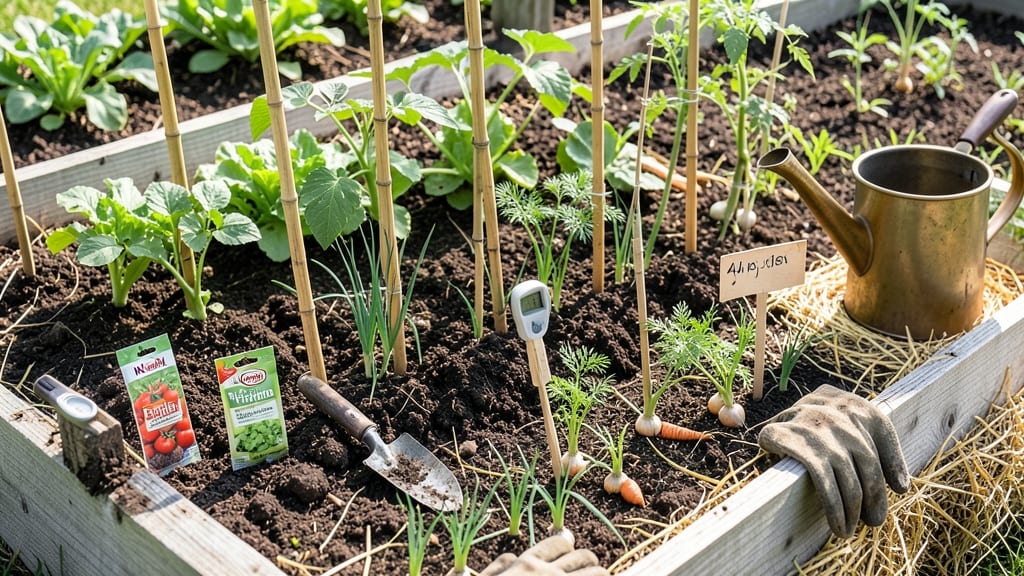
Planting your 🥕 vegetable garden at the wrong time in New Jersey can mean the difference between a bountiful harvest and wasted effort. Whether you're in Zone 6a or 7b, getting the timing right ensures your crops thrive when they should.
I've learned the hard way that late March to mid-April is prime for cool-season veggies like spinach and peas, while warm-season plants like tomatoes need to wait until after the last frost—usually mid-April in most of NJ. But here's the catch: your county's microclimate matters more than you think.
In this guide, I'll break down exactly when to plant each crop based on NJ's frost dates by county, so you can avoid common mistakes and maximize your garden's potential. You'll discover how to adjust for North vs. South Jersey differences and even extend your growing season with simple tricks.
Ready to turn your garden into a year-round producer? Let's get started with the planting schedule that actually works for NJ gardeners.
NJ frost dates by county: when to plant cool vs warm season vegetables
New Jersey’s diverse microclimates mean frost dates vary dramatically from Atlantic County to Bergen County. Understanding these last spring frost and first fall frost dates is critical for scheduling your vegetable garden correctly.
In Northern NJ (USDA Zone 6a), the last frost typically arrives April 15–May 1, while Southern NJ (Zone 7a) sees it March 15–April 1. Fall frosts hit Northern NJ by October 15 and Southern NJ by October 30.
For cool-season crops like kale, spinach, and peas, plant 4–6 weeks before your county’s last frost date. Warm-season crops such as tomatoes, peppers, and cucumbers need to wait until soil temperatures reach 60°F+, usually 2–4 weeks after the last frost. Southern NJ gardeners can start 1–2 weeks earlier than their Northern counterparts.
Here’s a county-by-county breakdown of frost dates and ideal planting windows for your NJ vegetable garden:
| County | Last Spring Frost | First Fall Frost | Cool-Season Planting | Warm-Season Planting |
|---|---|---|---|---|
| Atlantic | March 15–April 1 | October 30–November 10 | March 1–April 15 | April 15–May 1 |
| Bergen | April 15–May 1 | October 10–October 25 | March 15–April 15 | May 1–May 15 |
| Essex | April 10–April 25 | October 5–October 20 | March 15–April 10 | April 25–May 10 |
| Camden | March 20–April 5 | October 20–November 5 | March 1–April 10 | April 10–April 25 |
| Middlesex | April 1–April 15 | October 15–October 30 | March 15–April 10 | April 15–May 1 |
⚠️ Note: Urban areas like Jersey City may experience 1–2 weeks later frosts due to heat island effect.
For Northern NJ counties, like Bergen and Essex, cool-season crops should be sown by mid-March to avoid frost damage. In Southern NJ, you can push warm-season crops like tomatoes and peppers into the ground as early as mid-April.
Always check soil temperatures with a soil thermometer—warm-season plants won’t thrive until the soil hits 60°F+.
If you’re unsure about your county’s frost dates, use local weather stations or NJ State
Best vegetables to plant in NJ by season: a month-by-month guide
New Jersey’s diverse climate lets you grow a year-round vegetable garden with careful planning. Cool-season crops like spinach and peas thrive in spring and fall, while warm-season plants like tomatoes and peppers need summer’s heat. Here’s your month-by-month planting schedule to maximize harvests.
Start with early spring crops like peas and lettuce in March (4-6 weeks before last frost). By April, add spinach, kale, and radishes. May is prime for warm-season starters like basil and cucumbers, planted after soil warms to 60°F+.
Urban gardeners can use containers for compact varieties like bush beans.
🌱
NJ Seasonal Planting Calendar
| Month | Plant | Harvest | Notes |
|---|---|---|---|
| March | Peas, Lettuce, Spinach | May-June | Direct sow after soil thaws |
| April | Radishes, Carrots, Kale | June-July | Successive plantings every 2 weeks |
| May | Tomatoes, Peppers, Basil | July-October | Wait for soil to warm to 60°F+ |
| July | Green Beans, Squash, Corn | August-September | Plant after last frost risk passes |
| August | Broccoli, Cabbage, Spinach | October-November | Use row covers for frost protection |
For continuous harvests, practice succession planting. Sow lettuce every 2 weeks from spring to fall, and radishes every 10 days for quick turnover. Southern NJ counties (like Atlantic) can plant 2 weeks earlier than northern areas (like Bergen), thanks to milder microclimates.
In urban containers, prioritize compact varieties like bush beans and cherry tomatoes. Use self-watering pots to maintain consistent moisture. Shade-tolerant greens like Swiss chard grow well in partial shade, perfect for city balconies.
🌿
Don’t forget fall planting! By August, sow cool-season crops like kale and carrots for harvests before winter. Use row covers to extend the season into November. With this schedule, your NJ garden will yield fresh produce year-round!