
Plants
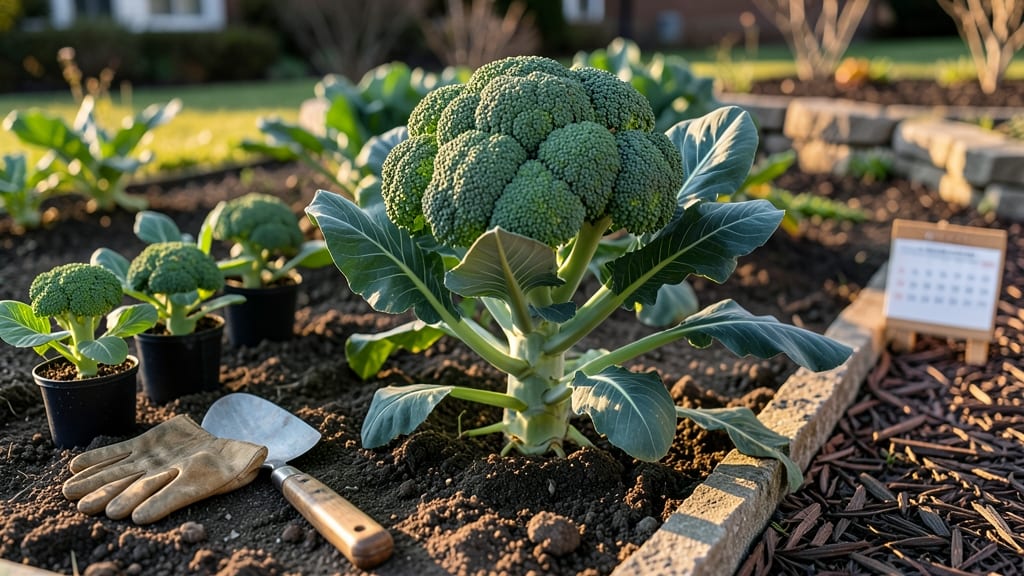
Planting broccoli 🥦 in Washington State can feel like a guessing game—too early, and frost zaps your crop; too late, and summer heat turns your plants into bitter stalks. The key is timing it just right, whether you're aiming for a spring harvest or a fall bounty.
Here’s the secret: Washington’s USDA zones 6-8 give you two prime windows—early spring (March-April) and late summer (August-September). But the real trick is knowing when to start seeds indoors or set transplants out, so they’re ready to thrive as soon as the soil warms.
I’ve grown broccoli in the Pacific Northwest for years, and I’ll show you exactly how to match planting dates to your local microclimate. From Puget Sound’s milder springs to Eastern Washington’s cooler nights, we’ll cover the frost-free timing that keeps your 🥦 plants happy and productive.
Ready to avoid the common mistakes? Let’s dive into the exact schedule for cold-hardy varieties that thrive in Washington’s unpredictable weather—plus how to stretch your harvest season for months of fresh, homegrown broccoli.
Best planting times for broccoli in Washington’s climate zones
Washington State’s diverse microclimates mean your last frost date could vary by weeks—even just 50 miles apart. In USDA Zones 6-8, the Puget Sound region (Zone 8) enjoys earlier planting than Eastern WA (Zone 6), where late frosts linger.
My rule of thumb: Plant 4-6 weeks before your average last frost date for spring crops, or 90-100 days before the first frost for fall harvests.
For Western WA (Zones 7-8), aim for March-April plantings. In Eastern WA (Zone 6), wait until late April to avoid surprise frosts. Fall plantings should start in August for a late-season harvest before winter sets in. The key? Know your zone and adjust timing accordingly.
Here’s a quick reference for your region’s ideal planting windows:
| Region | USDA Zone | Spring Planting | Fall Planting | Last Frost | First Frost |
|---|---|---|---|---|---|
| Puget Sound (Seattle, Bellingham) | Zone 8 | Late February - March | August - Early September | February 15 | November 15 |
| Western WA (Olympia, Tacoma) | Zone 7-8 | March - Early April | Late August - September | March 1 | November 1 |
| Eastern WA (Spokane, Wenatchee) | Zone 6 | Late April - May | July - Early August | April 15 | October 15 |
If you’re in Zone 8, you can even try winter plantings under row covers for an early spring harvest. Just remember: Broccoli hates heat—temperatures above 80°F will cause bolts (flowering stems). That’s why fall plantings often yield sweeter, more tender heads than summer ones.
For container gardening, start seeds indoors 6-8 weeks before your last frost date. Seedlings need 4-6 weeks of hardening off before transplanting outdoors. My pro tip: Use black plastic mulch to warm the soil faster in spring, giving you a 2-week head start on planting.
Washington’s Pacific Northwest climate also means unpredictable weather. Always keep frost cloth on hand for late spring plantings. And if you’re in high-elevation areas (like the Cascade foothills), expect 1-2 weeks later for frost dates than the zone averages suggest.
To maximize your harvest window, I recommend succession planting every 2-3 weeks during spring and fall. This ensures a continuous supply of fresh broccoli heads instead of one big harvest. Just be sure to space plants 18-24 inches apart—crowding leads to disease and poor air circulation.
One
Top cold-hardy broccoli varieties for Washington gardens
Washington’s unpredictable spring weather—with late frosts and chilly rains—can make growing broccoli a challenge if you pick the wrong variety. The key is choosing cold-hardy types that thrive in USDA zones 6-8 and resist common Pacific Northwest diseases like black rot or downy mildew.
I’ve grown these three varieties successfully in my Seattle garden, and they consistently deliver sweet, firm heads even when temperatures dip below 40°F.
For early spring planting (March-April), prioritize varieties that tolerate light frosts and mature quickly before summer heat arrives. ‘Waltham 29’ is my top pick—it’s a blue-green, dome-shaped head that stays crisp even after light frost.
Another favorite is ‘De Cicco’, an Italian heirloom with smaller, tender heads perfect for succession planting. If you prefer large, heavy heads, ‘Calabrese’ (like ‘Green Magic’) is a reliable choice, though it needs slightly warmer soil to germinate.
| Variety | Head Size | Days to Maturity | Cold Tolerance | Disease Resistance |
|---|---|---|---|---|
| Waltham 29 | Medium (6-8") | 60-70 days | ❄️❄️❄️ (Tolerates 28°F) | Black rot, downy mildew |
| De Cicco | Small (4-6") | 50-60 days | ❄️❄️ (Tolerates 25°F) | Cabbage worm |
| Calabrese (e.g., Green Magic) | Large (8-12") | 70-80 days | ❄️ (Tolerates 30°F) | Clubroot, fusarium |
If you’re planting for fall harvests (August-September), opt for varieties with longer maturity times (70+ days) to avoid bolting before the first frost. ‘Green Goliath’ is a heavy producer with blue-green, 12-inch heads and strong disease resistance—ideal for Eastern Washington’s drier climate.
For container gardening, ‘Little Sprout’ (a dwarf variety) thrives in 5-gallon pots and matures in just 50 days, making it perfect for patios or balconies.
Pro tip: Always soak seeds overnight before planting to improve germination rates in cool soil. I’ve also found that mulching with straw after transplanting helps retain heat and protect young plants from late frosts.
Avoid varieties labeled as “sprouting broccoli” (like ‘Calabrese sprouting’)—they’re better suited for warmer climates and won’t perform well in Washington’s short growing season.
For maximum yield, interplant fast-maturing varieties (like De Cicco) with larger, slower varieties (like Green Goliath). This way, you’ll have a continuous harvest from May through October without gaps.
Just remember: broccoli hates heat—once temperatures hit 80°F, heads will bolt quickly, so plan your fall plantings to mature before late September.
🌱