
Companion Plants
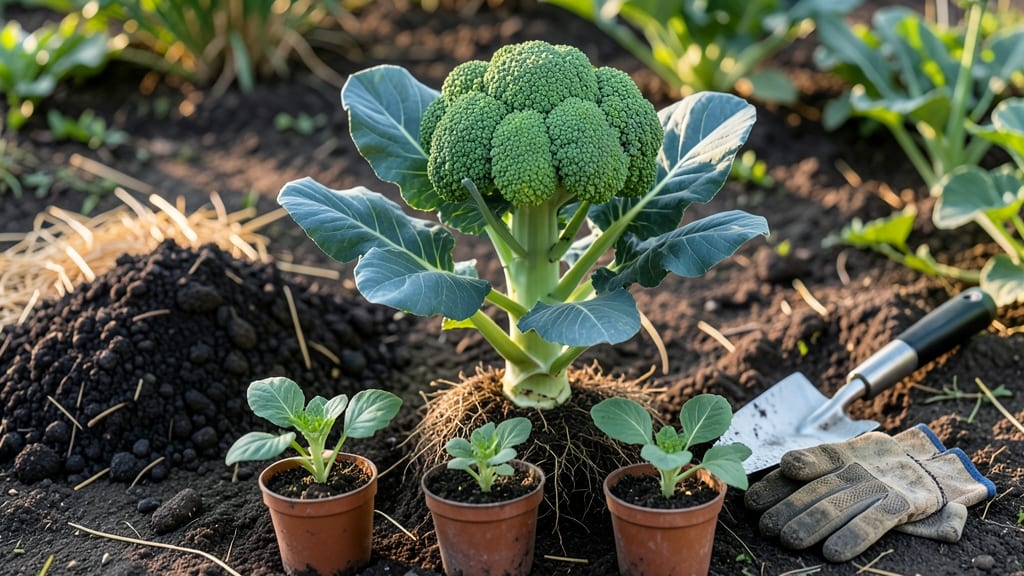
Planting broccoli 🥦 in Minnesota’s 4a-5a zones feels like walking a tightrope—too early, and frost zaps your seedlings; too late, and your heads bolt into bitter disappointment. The perfect timing isn’t just about dates, but understanding how your climate plays with broccoli’s cold tolerance.
Most gardeners here swear by two windows: mid-April to early May for spring plantings, and late July to early August for fall harvests. But here’s the kicker—Minnesota’s unpredictable frosts mean you’ve got to play it smart.
Whether you’re starting seeds indoors or transplanting, getting this right could mean the difference between a bountiful harvest and a sad, wilted disappointment.
I’ve learned the hard way that early varieties (like ‘Waltham 29’) handle spring’s chill better, while late-season picks (such as ‘De Cicco’) stretch into fall’s cooler temps. The key? Soil temps matter more than calendar dates—broccoli roots need that 45°F minimum to thrive.
Ready to master the timing? I’ll walk you through exactly when to plant, how to protect your crop from frost, and which varieties will give you the best shot at success—no matter what Minnesota throws at you.
Optimal planting windows for broccoli in Minnesota’s cold climate
Minnesota’s short growing season and unpredictable frost dates make timing critical for broccoli success. Unlike warmer climates, we can’t plant anytime—too early risks frost damage, while too late triggers bolting (when plants flower prematurely).
The key is planting when soil temperatures reach 40°F (4°C) and last frost is 4-6 weeks away.
Broccoli thrives in two planting windows in Minnesota: spring (April–early May) and fall (late July–early August). Spring plantings give you a summer harvest, while fall plantings extend your yield into autumn. The goal is to harvest before first frost (typically mid-October in Zone 4a).
Soil temperature is more critical than air temperature. Use a soil thermometer to confirm 40°F (4°C)—cold soil slows germination and invites rot. In Minnesota, this usually aligns with mid-April for spring and late July for fall, but always check local frost forecasts. The University of Minnesota Extension provides updated frost date maps—bookmark their site!
Direct sowing vs. transplanting changes your timing slightly. For direct sowing (planting seeds directly in the garden), aim for 2–3 weeks earlier than transplanting because seedlings take longer to establish. Transplants (purchased starts) can go in 1–2 weeks later since they’re already hardened off. In Minnesota, this means:
Spring direct sowing: Late April–mid-May
Spring transplanting: Mid-May–early June
Fall direct sowing: Late July–early August
Fall transplanting: Early August–mid-August
| Planting Window | Method | Soil Temp | Days to Harvest | Notes |
|---|---|---|---|---|
| Late April–Mid-May | Direct Sowing | 40°F (4°C) | 60–80 days | Use row covers for frost protection |
| Mid-May–Early June | Transplanting | 45°F (7°C) | 50–70 days | Hardier starts survive cooler soil |
| Late July–Early August | Direct Sowing | 40°F (4°C) | 60–75 days | Aim for harvest before first frost |
| Early–Mid August | Transplanting | 45°F (7°C) | 50–65 days | Choose fast-maturing varieties |
Minnesota’s variable weather means flexibility is key. If spring arrives late (like in 2021, when frost lingered until May 20), delay planting until soil warms. Conversely, a warm April might tempt early sowing—but frost can still hit in May.
Always have row covers ready to protect seedlings if nights dip below 32°F (0°C).
For fall plantings, time it so broccoli matures 4–6 weeks before first frost. In southern Minnesota (Zone 4b), this might mean harvesting in late October, while northern areas (Zone 3a) should aim for early October. Use cold-hardy varieties like ‘Waltham 29’ to push your harvest limits.
Pro tip: Succession planting in both spring and fall maximizes yield. Sow new seeds every 2 weeks in May and August to ensure a steady supply. This works especially well for small gardens where space is limited—just dedicate a 10-foot row to staggered plantings.
Watch for bolting signs like yellowing leaves or flower stalks. If your broccoli bolts too early, it’s usually a sign of heat stress (even in Minnesota’s cool summers) or poor soil fertility. Amend your soil with compost and balanced fertilizer (10-10-10) before planting to prevent this.
Remember: Minnesota’s climate is unforgiving, but with the right timing, you can enjoy fresh broccoli from June through November. Start with these windows, adjust for your microclimate, and soon you’ll be the neighbor with the longest harvest season! 🥦
Optimal planting windows for broccoli in Minnesota’s cold climate
Minnesota’s short growing season and unpredictable frost dates demand precise timing for broccoli success. The key is planting 4-6 weeks before your last frost date—typically mid-April to early May for spring crops. This ensures seedlings establish roots before soil temperatures consistently hit 40°F+, which broccoli craves to thrive.
For a fall harvest, aim for late July to early August plantings. These late-season starts take advantage of Minnesota’s 120-150 frost-free days, maturing just before first frost (mid-October). The trick? Choose fast-maturing varieties (50-60 days) to squeeze in a harvest before winter sets in.
| Season | Planting Window | Soil Temp Requirement | Frost Risk | Harvest Window |
|---|---|---|---|---|
| Spring | Mid-April to early May | 40°F+ | High (late frosts) | June - July |
| Fall | Late July - early August | 50°F+ | Moderate (early frosts) | October - November |
Direct sowing is ideal for spring, but transplanting gives you more control in Minnesota’s fickle weather. Start seeds indoors 6-8 weeks before last frost (around March 1st) using grow lights. Harden off seedlings for 7-10 days before transplanting outdoors after soil temps stabilize above 45°F.
Pro tip: Use black plastic mulch to warm soil faster in spring. This raises soil temperatures 5-10°F, helping seedlings establish quicker. Just remove it once plants are 4-6 inches tall to prevent overheating.
Bolting is your biggest enemy in Minnesota’s climate. Avoid planting too early—cold snaps trigger premature flowering. Instead, opt for late-spring or early-fall plantings when daytime highs stay above 60°F consistently. This balance prevents bitter, woody stems and maximizes your harvest.
For extended harvests, try succession planting every 2-3 weeks in spring. This staggered approach ensures a continuous supply of fresh broccoli heads from June through October. Just mark your calendar for first frost warnings—they’re your cue to harvest or protect remaining plants.